
Last updated November 24, 2026
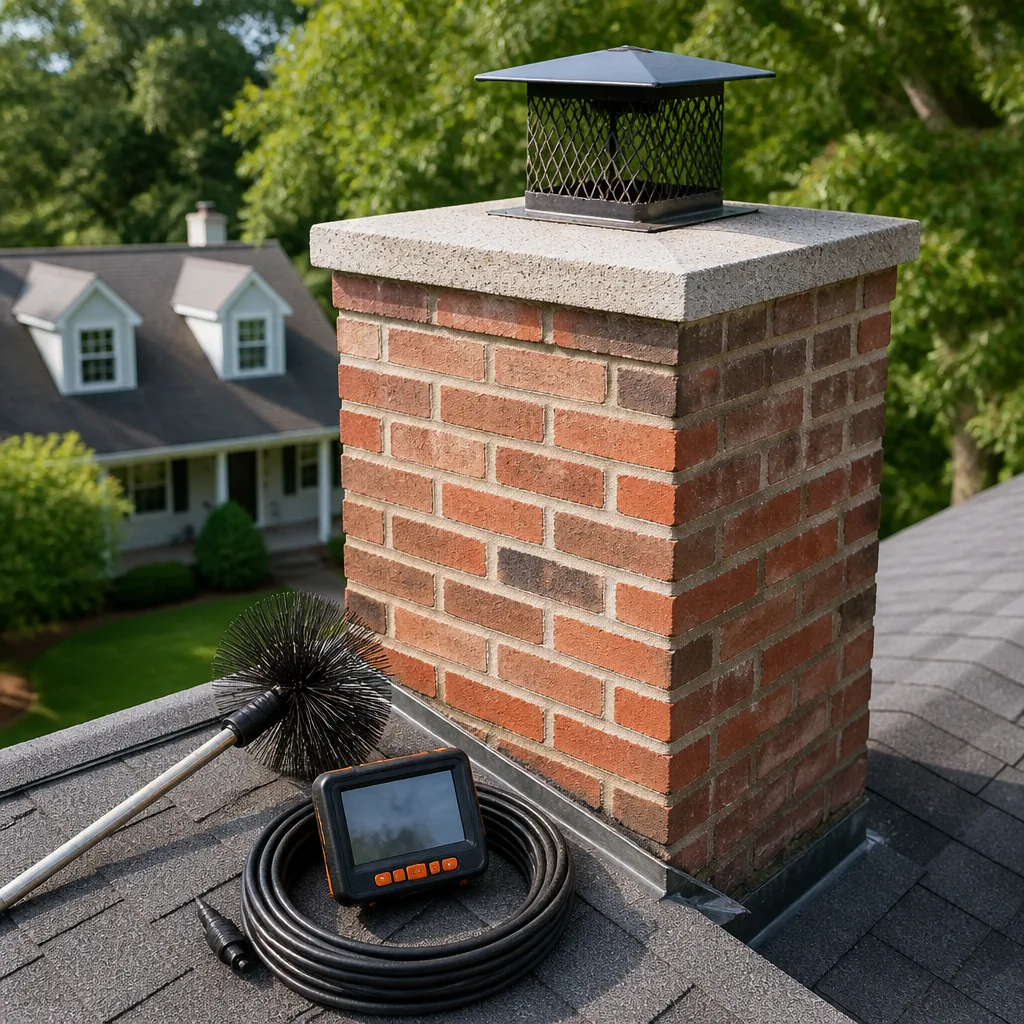 Sweep & inspection
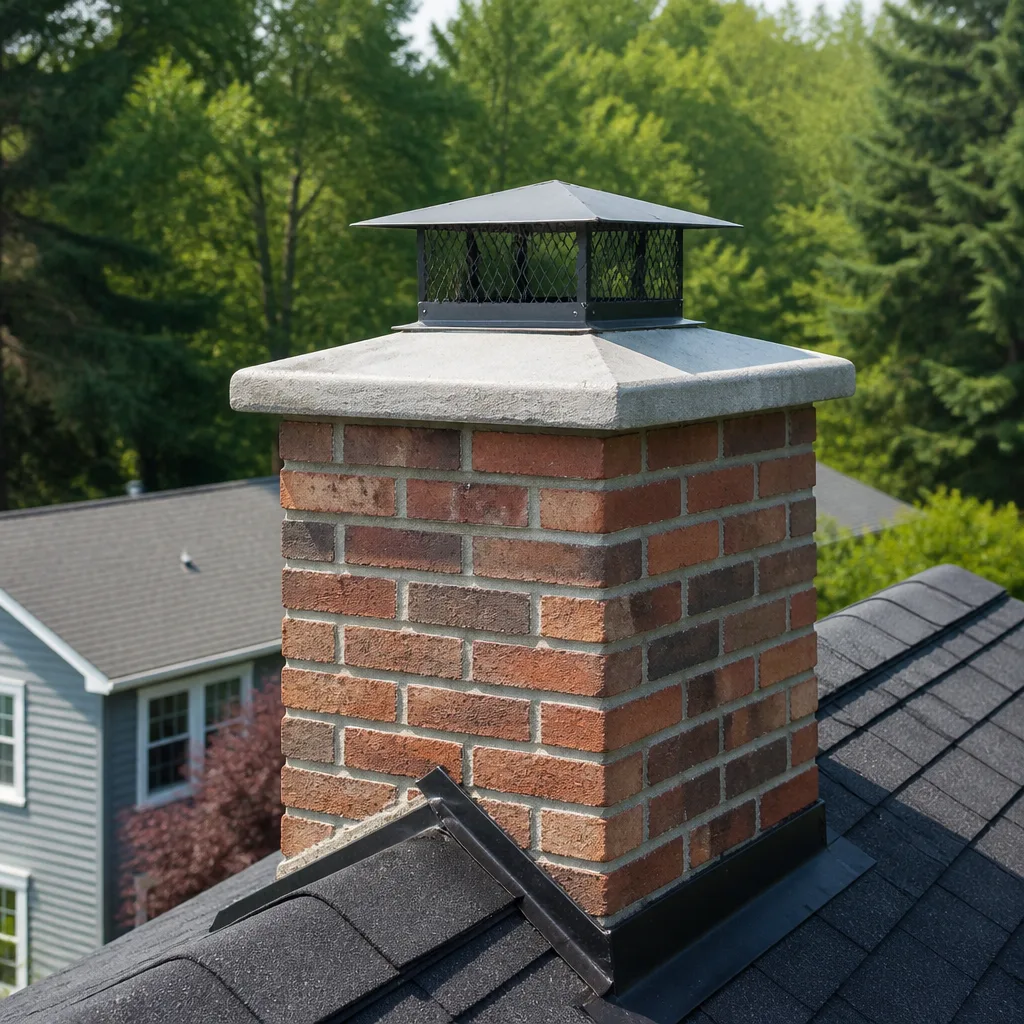 Caps & crowns
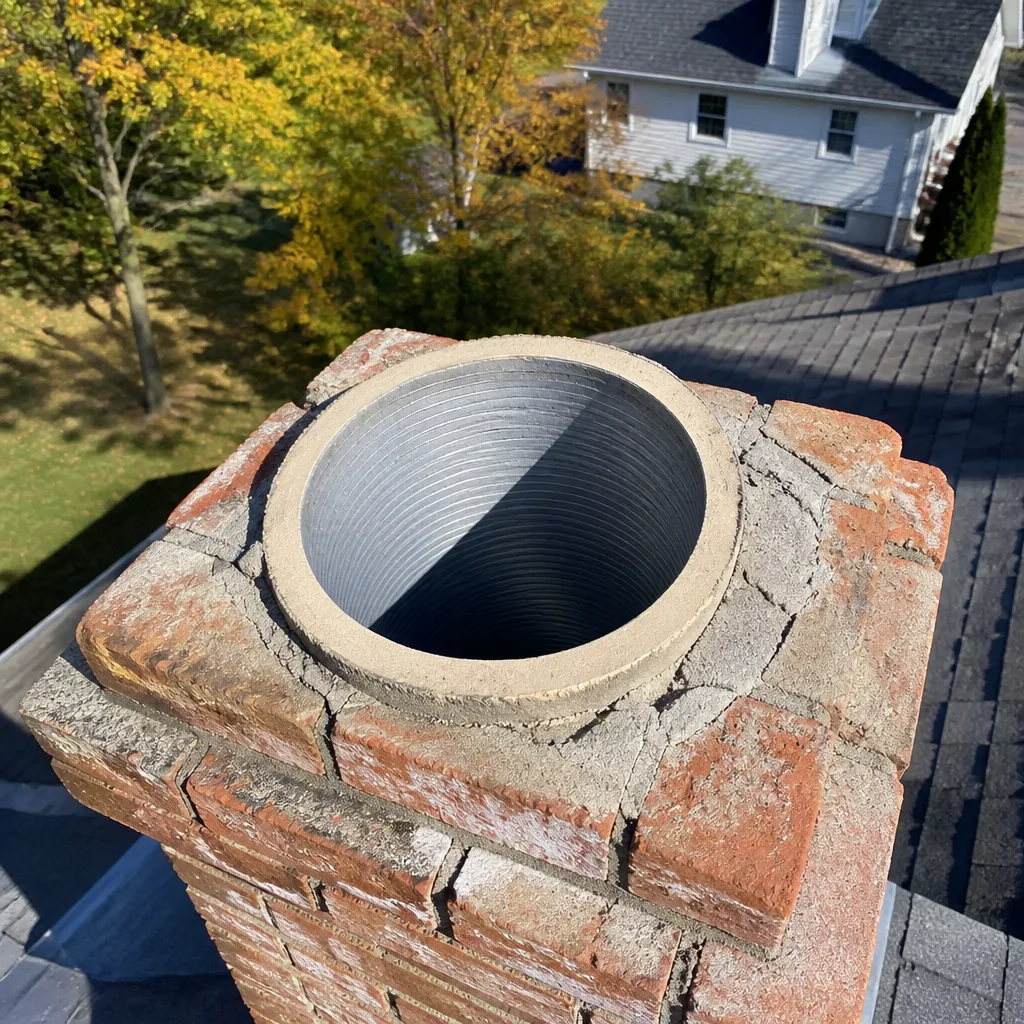 Flue relining
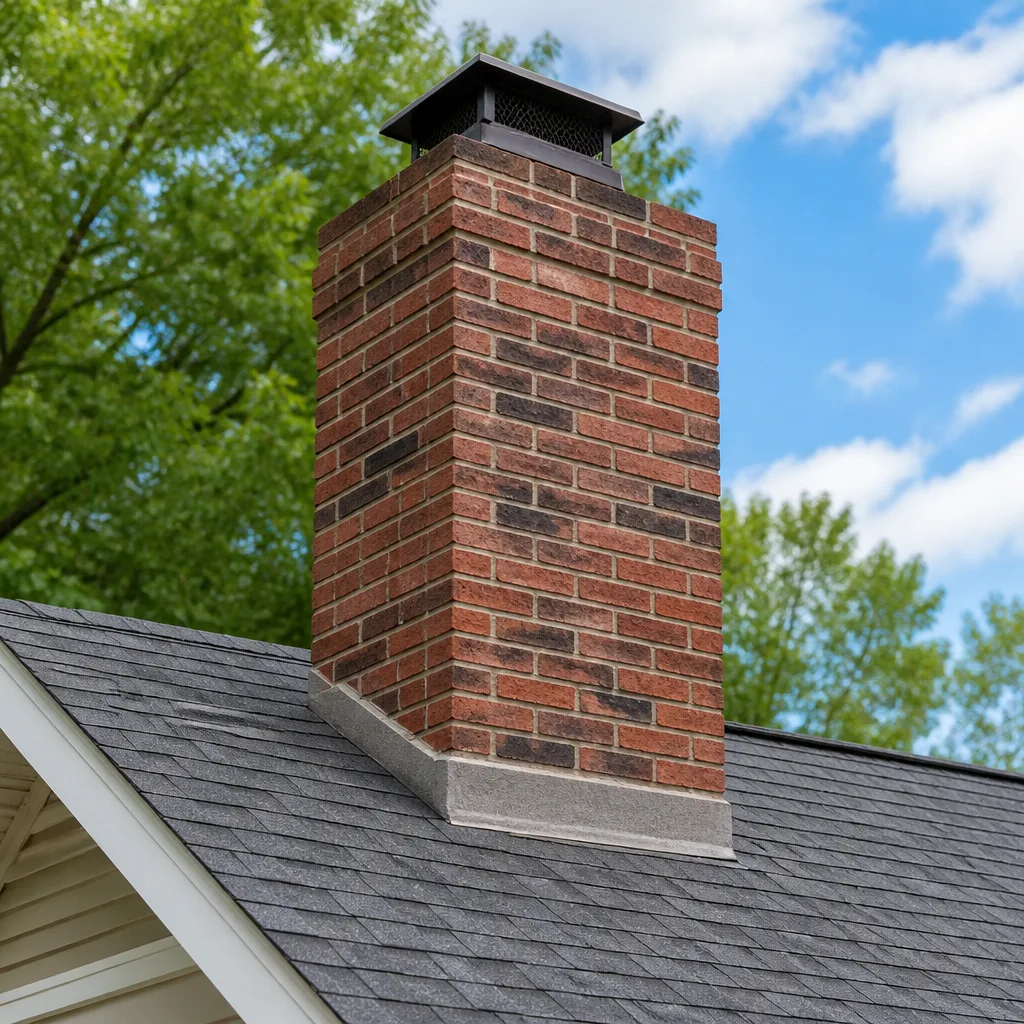 Masonry repair
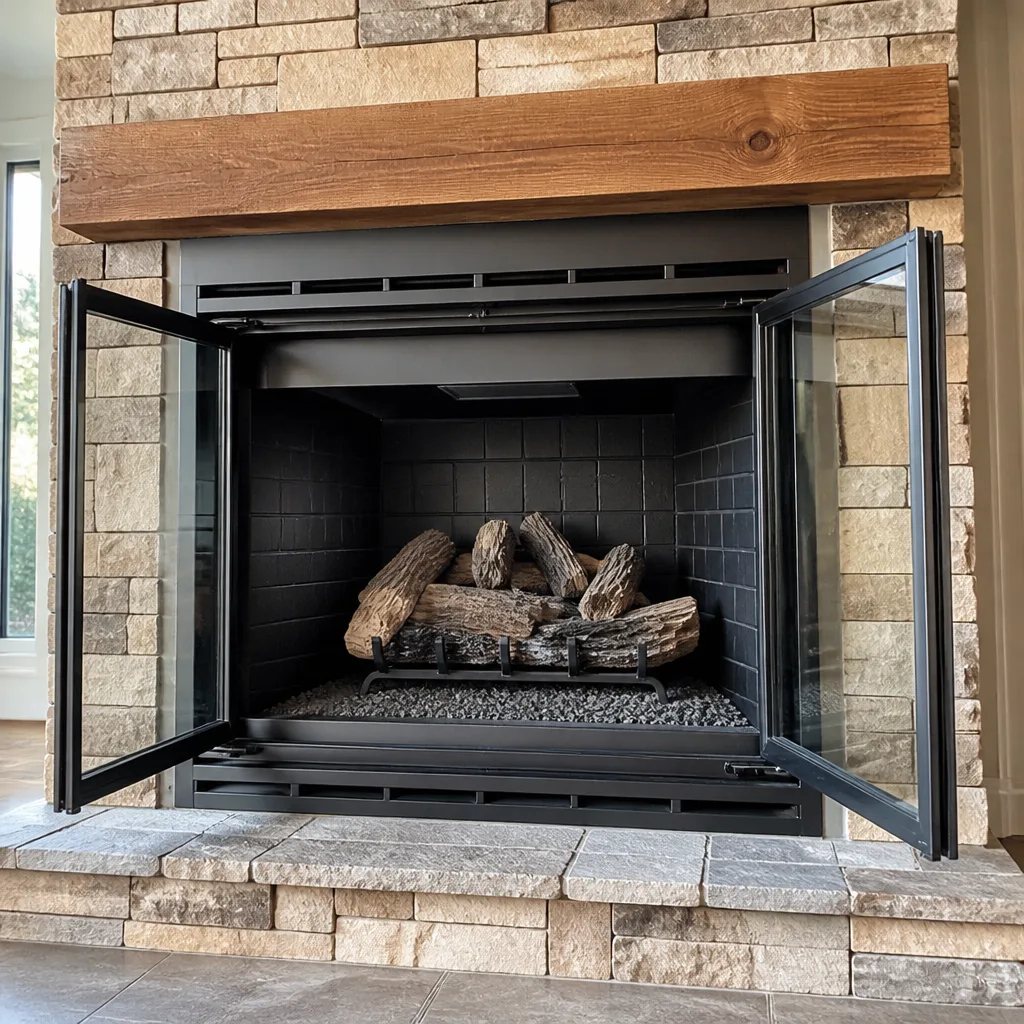 Gas fireplace service
Level 1 sweep and inspection to the NFPA 211 annual standard - flue, crown, cap, and flashing checked and photographed
Chimney sweep logs do not sweep chimneys. They loosen some creosote - which then falls where a brush and vacuum still have to collect it.
Chimney Sweep Maintenance Checklist for University Park Homeowners
Most homeowners treat a chimney like a fire alarm: you ignore it until something feels wrong, then you call someone. That’s backwards. A chimney is closer to a roof or a car’s cooling system, a set of parts that wear on different clocks. The crown weathers on one schedule. The mortar joints on another. The flue liner on a third. By the time a problem announces itself as smoke in the room or a stain on the ceiling, two or three of those clocks have usually run out at once. In this guide we’ll walk through a maintenance checklist built around three points in the year, October, January, and March or April, and give you a simple way to rate each item you find so you know what needs a call now and what can wait. Everything here is written for University Park homes with a working fireplace.
Styles & brands we work with
- Sweep & inspection
- Caps & crowns
- Flue relining
- Masonry repair
- Gas fireplace service
Quick Answer
A chimney maintenance checklist for University Park homeowners should cover three checkpoints a year: a pre-season inspection and sweep in October before the first fire, a mid-season look in January for creosote buildup and cap damage, and a post-season review in March or April after the last burn. Each checkpoint splits into exterior items you can check yourself (crown, mortar, cap, flashing) and interior items that need a camera and professional tools (flue liner, smoke chamber, firebox panels). Rate each finding as pass, monitor, or call now.
Table of Contents
- Why Chimney Parts Fail on Different Timelines
- Pre-Season Checkpoint: October
- Mid-Season Checkpoint: January
- Post-Season Checkpoint: March and April
- Exterior Checks You Can Do Yourself
- Interior Checks That Need Professional Tools
- What Makes University Park Chimneys Age Differently
- Pass, Monitor, or Call Now: Rating Each Item
- Common Mistakes to Avoid
- When to Call a Professional
- Frequently Asked Questions
Why Chimney Parts Fail on Different Timelines
Here’s the plain truth about chimney repair: a cracked crown can cost a few hundred dollars to seal. Left alone for a year and a half, that same crack lets water into the brick, the brick face starts to spall, and the repair becomes a full crown rebuild. The checklist exists to stop that cascade before it starts. That sequence, where one small failure compounds into a larger one, is the single most common pattern we see in University Park, and it’s almost always preventable.
So why don’t all the parts fail at once? Because they live in different environments. The crown and the mortar joints sit outside, exposed to sun and rain. The cap sits on top, taking the full brunt of weather. The flue liner lives inside, where it deals with heat and creosote rather than water. And the firebox sees the most direct flame. Each of those compartments ages on its own clock, which is why a chimney can pass one inspection and fail another a year later.
This is why a maintenance checklist makes sense for a University Park home. It’s not about remembering to schedule an annual sweeping visit (although that matters). It’s about knowing which parts of your system you’re checking at which time of year, so a small issue on one clock doesn’t wait around for a bigger issue on another.
Pre-Season Checkpoint: October
The October checkpoint is the most important of the three, because it happens right before your first fire of the season. You want to know your chimney is clean, intact, and ready to handle the worst creosote and heat it’ll see all year. If something is wrong, this is also the least stressful window to fix it.
Here’s what to cover in the pre-season window:
- Schedule a chimney sweep and a level one inspection before your first fire. A level one inspection covers accessible parts of the chimney and firebox, and it’s what most year-over-year homeowners need.
- Look up from the ground at the exterior of the chimney. You’re checking for crown cracks, missing cap, visible gaps in the mortar, and any obvious lean.
- Confirm your cap is present and the mesh screen is intact. A missing or damaged cap is one of the most reliable ways water and animals get into a chimney.
- Test your damper by hand and make sure it opens and closes cleanly without sticking.
- Check the firebox for crumbling mortar between firebrick and any loose or missing refractory panels.
If October is busy and you can’t get a sweep out before the first fire, don’t panic, but don’t skip the last two items. Those are the ones that touch the firebox itself, and they tell you a lot about whether it’s safe to burn until a proper inspection. In our experience, most University Park homes that skip October entirely end up calling in January, and that January call is usually more expensive than the October one would have been.
Mid-Season Checkpoint: January
January catches most homeowners by surprise. You’ve been burning for weeks, so the system is at its most active, and problems that were invisible in October start to show. January is also when creosote accumulates fastest, especially if you’ve been burning green or unseasoned wood.
Your mid-season checklist should cover:
- Smell inside the room after a fire has gone out. A sharp, creosote-like odor after the burn can mean a blocked or damaged flue.
- Look up at the outside of the chimney from the ground. Check whether water is staining the brick or showing up as white efflorescence.
- Feel the ceiling and walls around the chimney. Warm spots after a fire are worth a call.
- Check the cap and screen again. Wind, animals, and a season of weather can knock a screen loose.
- Listen for sounds you didn’t hear in October. A rattle or pop that wasn’t there before is worth a look.
For most University Park homeowners, a mid-season professional sweep is not required on top of an October sweep, though it’s reasonable if you’ve burned heavily. What is worth doing is a light visual inspection of the items above and a commitment to call if something looks off. We always tell people to trust the mid-season gut check. If your chimney suddenly smells different or the fire doesn’t draw like it used to, something changed, and it’s better to look at it in January than in March.
Post-Season Checkpoint: March and April
The post-season checkpoint is the most underused and the most valuable. March and April is when creosote and soot have had a whole burning season to settle, and it’s when the weather is still wet enough to show you water intrusion long before the dry summer months. It’s also when you have time to think about repairs without the pressure of “we can’t light a fire until this is fixed.”
Here’s what a post-season review should include:
- Schedule a Chimney Sweep University Park closing inspection, ideally a level two if it’s been more than a season since your last one. A level two inspection goes deeper into the flue and any accessible attics or crawlspaces around the chimney.
- Walk the outside of the chimney after a rain. Check for any dark streaks or efflorescence that weren’t there in October.
- Look at the crown specifically. Small hairline cracks are common; cracks that run through the full crown or show separation from the brick are the ones to flag.
- Look at the flashing where the chimney meets the roof. Rust and lifted edges are worth noting now.
- Decide on repairs before summer’s dry weather sets in. Masonry and crown work are easier to schedule in the shoulder seasons than in the middle of summer or right before the next October.
We’ve seen University Park homes where a spring post-season review found a crown crack that would have been a simple seal in April and a full rebuild by October. That’s the whole point of the checklist. The spring review lets small problems stay small.
Exterior Checks You Can Do Yourself
The exterior checks are the ones we encourage homeowners to do. None of them require climbing on the roof. You can do all of them standing on the ground with a set of binoculars, which is exactly how we’d do them if we didn’t have a ladder.
- Crown cracking. The crown is the concrete or mortar cap at the very top, wider than the chimney itself. Look for cracks that go through the whole crown thickness, not just surface craze. Hairline surface cracks are typically monitor-only; anything that opens up more than the width of a coin is a call.
- Mortar joint condition. Study the joints between the bricks on the chimney’s visible sides. Sharp, distinct joints are fine. Joints that are receding, crumbling, or leaving gray sand on the roof are a signal that water is getting in.
- Cap presence and condition. A working chimney cap is a metal plate with mesh sides that sits on top of the flue. If yours is missing, bent, or the mesh is torn, animals, rain, and debris get in.
- Flashing rust and separation. The flashing is the metal where the chimney meets the roof. Look for visible rust, lifted edges, or gaps where the metal pulls away from the brick.
- Efflorescence staining. That white, chalky powder on the brick is a sign that water is moving through the masonry and leaving salts behind as it evaporates. Efflorescence alone isn’t an emergency, but it’s the earliest exterior sign of a moisture problem.
If any of these checks look wrong, don’t try to fix them yourself. A chimney is a tall structure, and the safest place to evaluate it is from the ground. Flag it, note what you see, and call for a proper look.
Interior Checks That Need Professional Tools
The interior checks are where a homeowner has to hand it off. The three critical ones below all require tools and training that you shouldn’t try to substitute with a flashlight.
- Flue liner cracks and gaps, via camera. A camera inspection is the only reliable way to see what’s happening inside the flue. Cameras show whether the liner is intact, whether joints are offset, and whether any cracks have opened since the last inspection.
- Smoke chamber parging condition. The smoke chamber is the sloped area above the firebox that funnels smoke up into the flue. When its parging (the smooth masonry coating inside) erodes, the smoke doesn’t move the way it should, and turbulence results. You can’t see this without a camera and proper lighting.
- Firebox refractory panel integrity. The refractory panels are heat-resistant brick or panels lining the firebox. Cracks and missing pieces in the panels, or crumbling mortar between firebricks, are signs that the firebox itself is taking damage from the heat. This is a job for a professional to assess.
We use DuraFlex flexible liner systems when a flue needs relining, and HeatShield ceramic resurfacing when the existing liner can be restored without full replacement. Both let us address liner problems that a fiber-brush sweep and a visual inspection would either miss or hand off to a different contractor. A homeowner shouldn’t be the one deciding which path is right; that decision should follow a camera inspection, not precede it.
What Makes University Park Chimneys Age Differently
Southern California is a mild climate, so chimney maintenance in University Park isn’t mainly about the cold. The real stressors are different. Here’s what we watch for on University Park homes that we don’t watch for in colder parts of the country.
- Year-round UV on the crown and cap. Without a real winter to reset things, the crown sits in sun year-round. UV exposure dries out the concrete and mortar and makes small cracks form earlier than they would in a colder, cloudier climate. That’s one reason University Park crowns tend to need attention a bit sooner than homeowners expect.
- Marine air and salt migration. University Park sits close enough to the coast that salt in the air reaches exposed brick and metal over time. You’ll see it first as rust on the cap and flashing, and as degraded mortar on the outside of the chimney. Salt accelerates corrosion on metal parts specifically, which is why cap condition belongs on every University Park checklist.
- Seismic movement and mortar joints. This is the part most checklists leave out. Repeated small ground movement stresses masonry joints more than people realize, and old, brittle mortar is often where that stress shows up first. A chimney that looks fine one season can develop a hairline crack at a joint after a small quake. Any new crack at the joint, especially running diagonally, is worth a look.
- Dry summers and wet winters. University Park’s wet season is short and concentrated. Water gets into the brick during that window and comes back out during the dry months. Efflorescence is the visible sign of that cycle, and it shows up on more University Park chimneys than homeowners would guess.
None of these are reasons to panic. They’re reasons to check. A chimney in University Park is dealing with a completely different set of stressors than a chimney in the Northeast, and the checklist should reflect that.
Pass, Monitor, or Call Now: Rating Each Item
One of the most useful things you can do when you finish a checklist is to give each item a rating. That way, you know what to act on, what to keep an eye on, and what to just note and move on from.
Use three ratings:
- Pass. Item is present, intact, and looks the way it should. No action needed until the next checkpoint.
- Monitor. Item shows minor wear that isn’t dangerous and isn’t structural. Check it again at the next checkpoint. If it’s worse, upgrade to Call Now.
- Call Now. Item shows active damage or a safety concern. Stop burning until it’s assessed.
Here’s how the checklist items map to those ratings:
| Item | Pass | Monitor | Call Now |
|---|---|---|---|
| Crown | Intact, no visible cracks | Hairline surface cracks | Cracks running through the crown, separation from brick |
| Mortar joints | Sharp and distinct | Slight recession, light sanding | Crumbling joints, missing mortar, visible open gaps |
| Cap | Present, mesh intact | Surface rust on the cap metal | Missing cap, torn mesh, damaged cap |
| Flashing | Sealed, no rust | Light surface rust | Lifted edges, gaps, water stains near the flashing |
| Efflorescence | None visible | Thin white powder on lower courses | Heavy buildup, especially with spalling brick |
| Flue liner (camera) | Intact, no visible cracks | N/A, liners should pass or be called out | Any cracking, separation, or offset joints |
| Smoke chamber | Smooth parging | Minor wear | Eroded parging, turbulence visible |
| Firebox panels | Sound, no cracks | Hairline surface cracks only | Cracked panels, crumbling firebrick mortar, loose brick |
The simple rule with any rating is this: if you can’t tell which column an item belongs in, treat it as Call Now. It’s easier to talk a homeowner out of an unnecessary repair than to talk them out of a hazard, and we’d rather look at something that turns out to be fine than find out a week later that it wasn’t.
We’ve also found that most of the “Call Now” items across all three checkpoints fall into two families: water intrusion and combustion hazard. Water gets in through a bad crown, a missing cap, or failed flashing. Combustion hazards come from creosote buildup, liner damage, or firebox cracking. Every single checklist item, no matter how small it seems, falls into one of those two families. That’s the reason we’re so specific about dating each checkpoint to a season.
Common Mistakes to Avoid
- Treating the October sweep as the entire checklist. A sweep cleans the flue; it doesn’t check the crown, the cap, or the flashing. Those live on different timelines and need a separate look.
- Skipping the March or April review because the fires are out. The post-season review is when water intrusion shows up and when small cracks are still small. It’s the cheapest time of year to catch a problem.
- Assuming a mild climate means a chimney can wait. University Park winters are mild, but year-round UV and salt air in the atmosphere wear on crowns, caps, and flashing in ways cold climates don’t. The season you skip is still a season of wear.
- Using binoculars before or after the rain, but not both. Exterior checks after a rain show you what’s leaking. Exterior checks in dry weather show you what’s cracked. You need both.
- Rating everything as Pass because nothing looks wrong at a glance. If you can’t confirm a Pass with what you can see, it’s a Monitor at best. A rating system only works if you respect it.
- Treating a professional recommendation as an upsell. A recommendation that follows a camera inspection, with the photo in front of you, isn’t the same as one made over the phone. Ask to see the camera image either way.
- Confusing “no smoke in the room” with “no problem.” Most liner damage and smoke chamber erosion doesn’t put smoke in the room until it’s advanced. Absence of smoke is a pass for the fire, not a pass for the system.
When to Call a Professional
Call a professional when any of the following shows up on your checklist: a crack running through the crown or separation between the crown and brick; crumbling or missing mortar joints; a missing or damaged cap; lifted, rusted, or gap-separated flashing; heavy efflorescence with any spalling brick; any crack in the flue liner on camera inspection; eroded smoke chamber parging; or a cracked or crumbling firebox panel. Any one of these tells us water or heat is doing something it shouldn’t, and it’s better stopped before it compounds.
The second time to call is when you simply can’t tell. If you’ve rated something Monitor and it’s upgraded to worse at the next checkpoint, that’s a call. And if you haven’t had a professional look at the whole system in over a season, that’s a call regardless of how the exterior looks.
Chimney Sweep University Park offers free estimates in University Park and handles all three checkpoints, the sweep, the inspection, and any fireplace repair or chimney cap & crown work the inspection turns up. Call (877) 792-6047. We answer 24/7. Fast dispatch from 7am to 7pm, Sunday through Friday.
Frequently Asked Questions
Three times a year, on the seasonal schedule in this guide, is the most reliable approach for a University Park home: October, January, and March or April. The October and spring checkpoints should include a professional sweep and inspection. The January checkpoint is a homeowner’s walkthrough of the exterior and firebox. A yearly professional sweep and inspection is the minimum, and three seasonal checkpoints catch problems faster.
You can safely inspect the exterior from the ground with binoculars, and you can safely look at the firebox from inside the room. You cannot safely inspect the flue liner, smoke chamber, or crown up close without training and the right equipment. Those checks belong to a professional with a camera and proper lighting. The safety of the whole system depends on that inspection, so don’t substitute a flashlight for a camera.
A level one inspection covers the accessible parts of the chimney, firebox, and flue. A level two inspection adds a camera inspection of the flue and looks at accessible parts of the attic, crawlspace, and chimney structure. Most University Park homeowners need a level one at the October checkpoint and a level two at the spring checkpoint, or a level two anytime the chimney has changed, been damaged, or been through a small quake. Our full-system inspection can be done as a standalone service so you know what condition the system is in before deciding on any work.
Not always. A camera inspection tells us whether the liner can be restored with HeatShield ceramic resurfacing or whether it needs replacement with a DuraFlex flexible liner. HeatShield is the less disruptive, more cost-effective answer when the liner is still intact but the parging or coating has worn. Full replacement is the right call when the liner itself has failed. The decision should always follow a camera inspection, not precede it.
Water intrusion finds the smallest crack in the crown first, and by the next spring it’s worked into the brick and joints. Creosote continues to accumulate in the flue, which raises fire risk. Small exterior cracks don’t stay small through a wet season. Skipping one season is usually recoverable, but skipping two is where small fixes convert into structural work. If you’ve skipped a full year, book the next full inspection rather than just a sweep.
Usually yes. Cap installation and crown repair go together, and we use professional-grade hardware from Gelco and Olympia Chimney for the cap component. If the crown needs more than sealing (a full rebuild, for instance), we’ll let you know before we start so you can decide whether to do it in one window or split it across two. Repair recommendations should always follow the inspection, and the crown and cap are two of the most common follow-ups on a University Park checklist.
No. University Park’s mild winters reduce some kinds of wear, but they don’t eliminate any of it. Year-round UV, marine air in the atmosphere, and small seismic movement all keep working on the crown, mortar joints, and cap even in the dry season. The checklist exists because those stressors don’t take a year off. If you need to compress the schedule, do October and spring, and keep the January walkthrough even if it’s just a quick look.
The Bottom Line
A chimney maintenance checklist isn’t about remembering to schedule a sweep. It’s about knowing which parts of your chimney age on which clock, and checking them at the right time of year so a small failure doesn’t compound into a structural one. For University Park homeowners, that means October before the first fire, January for a mid-season look, and March or April for the review that catches water intrusion while it’s still small. Add the exterior checks you can do yourself, defer the interior checks to a professional with a camera, and rate each finding as Pass, Monitor, or Call Now. That’s the whole system. Our technicians have up to 8 years of experience with the inspection and repair work this checklist calls for.
Call (877) 792-6047 for a free estimate on any item on this checklist. We answer 24/7. Fast dispatch from 7am to 7pm, Sunday through Friday.
Written by the team at Chimney Sweep University Park.
See the difference
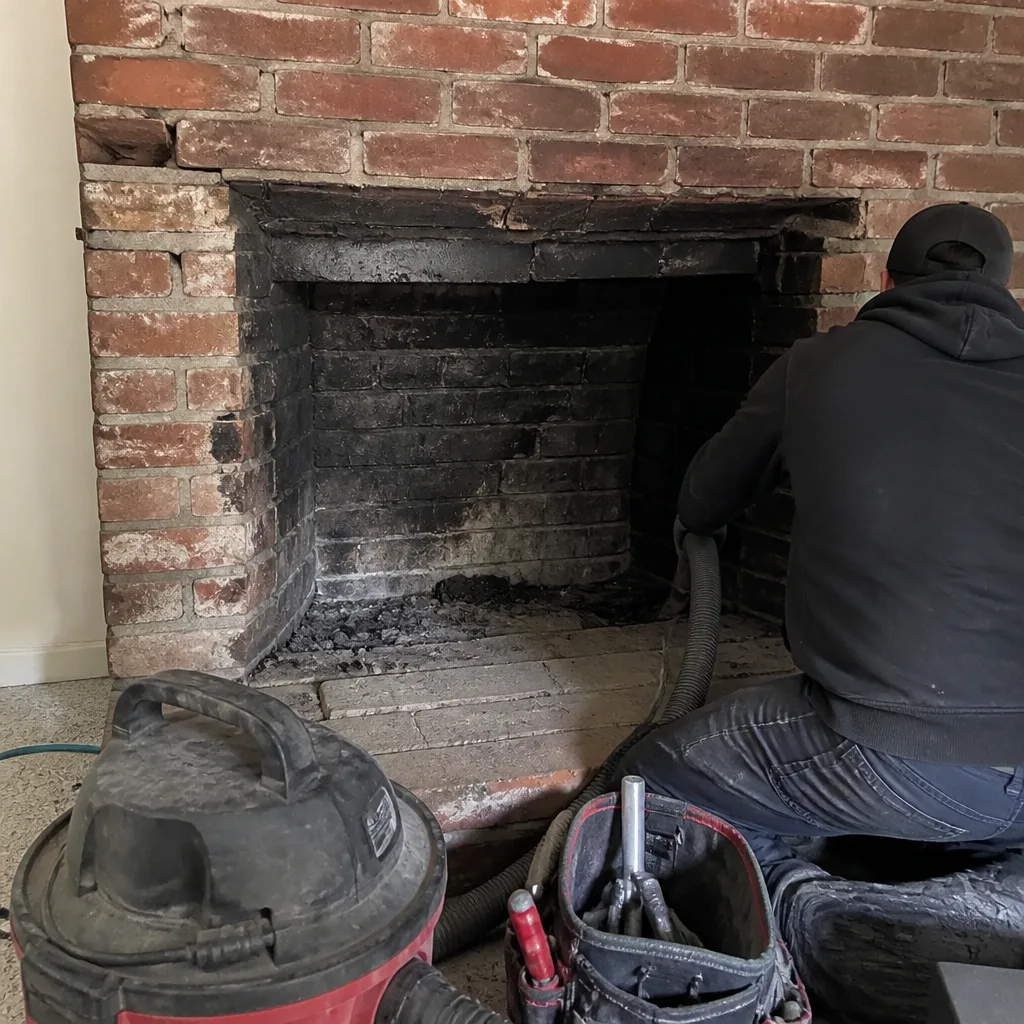 Before
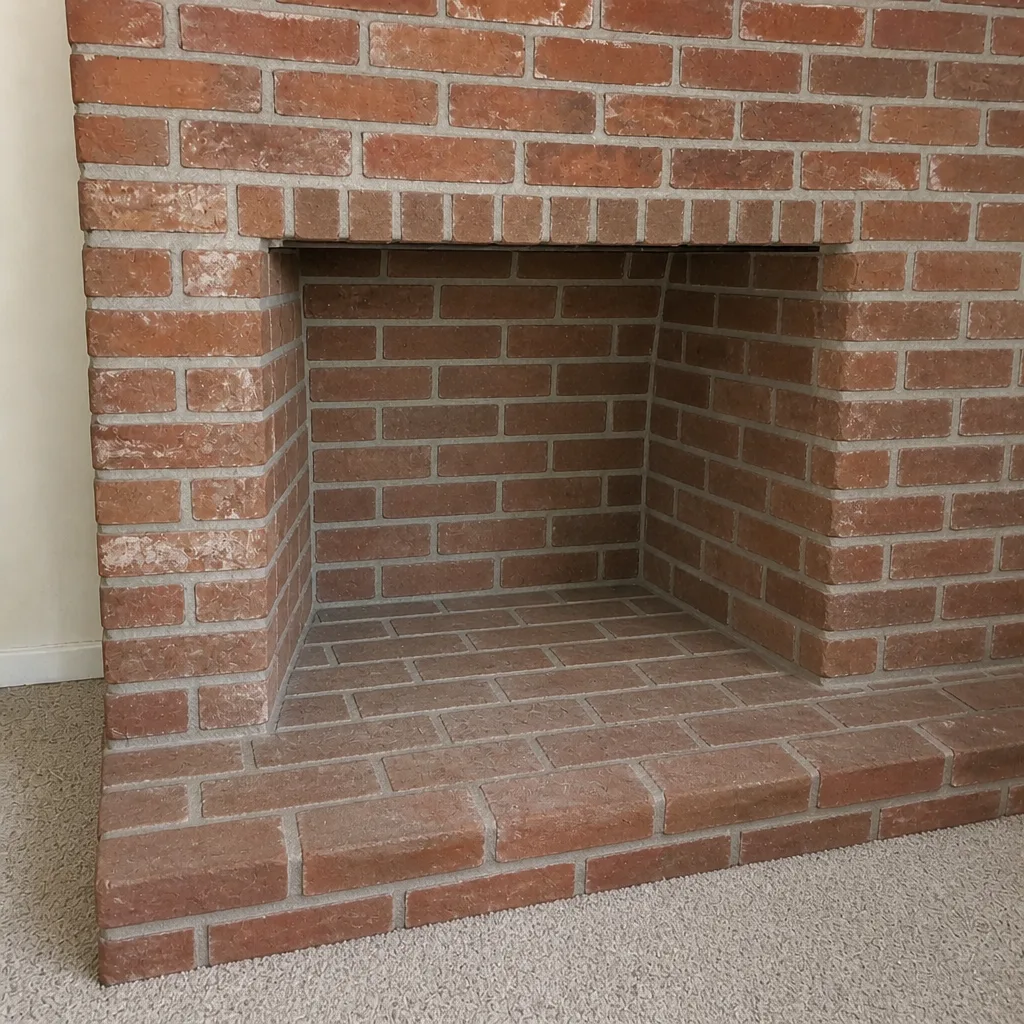 After
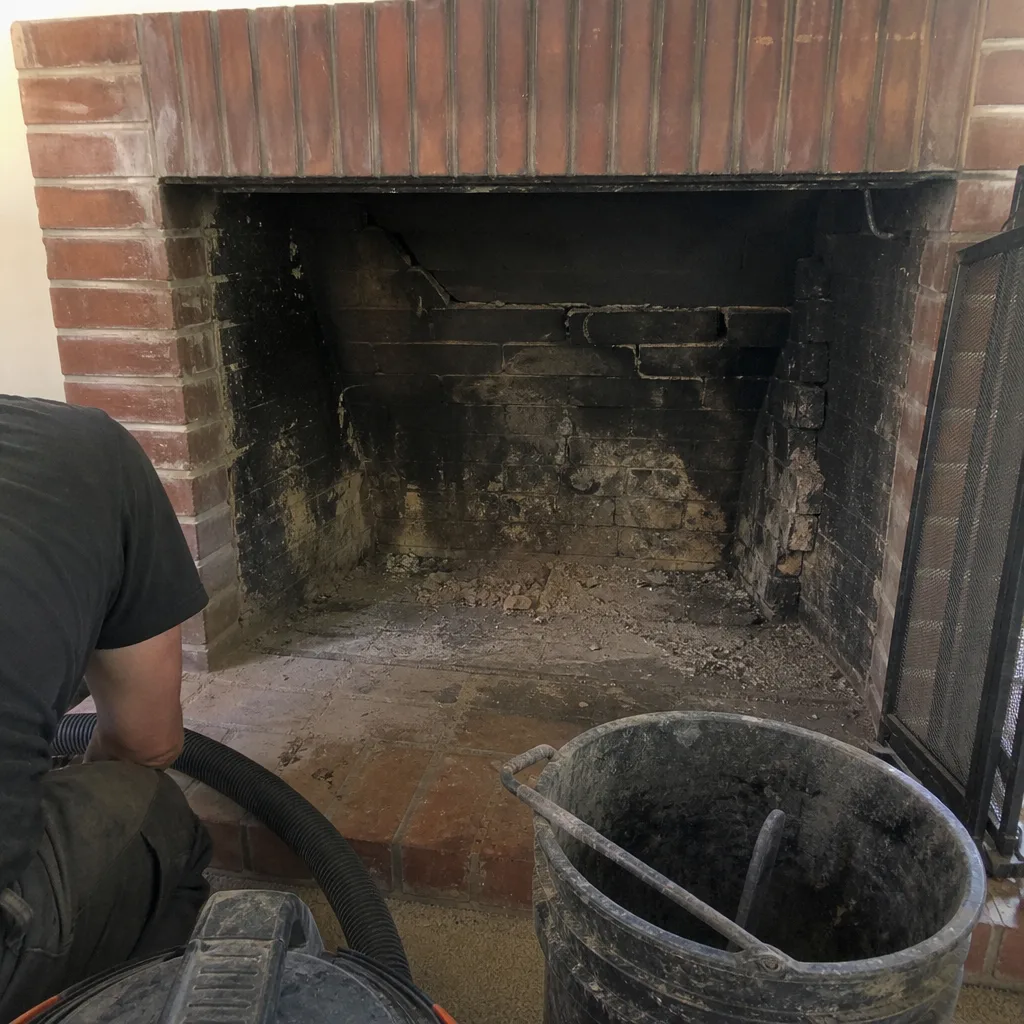 Before
 After
 Before
 After