
Last updated November 24, 2026
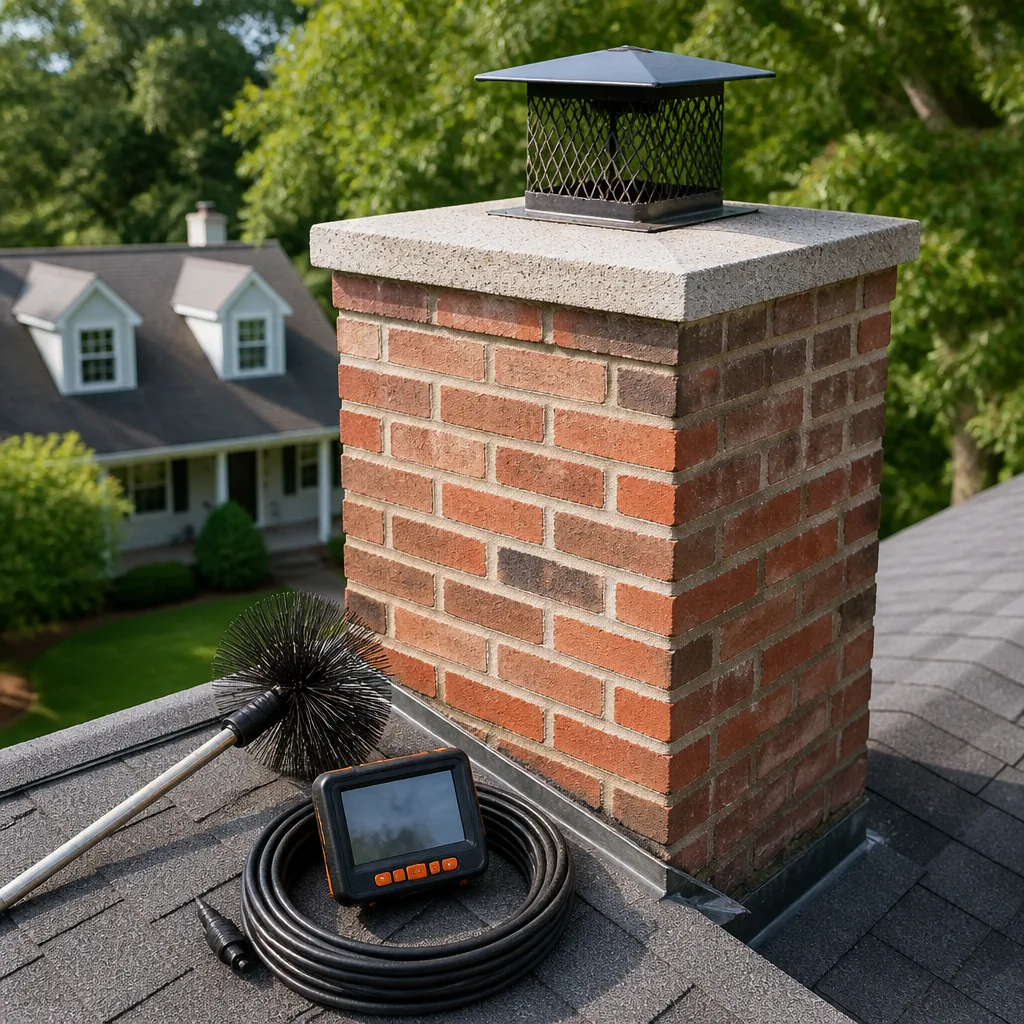 Sweep & inspection
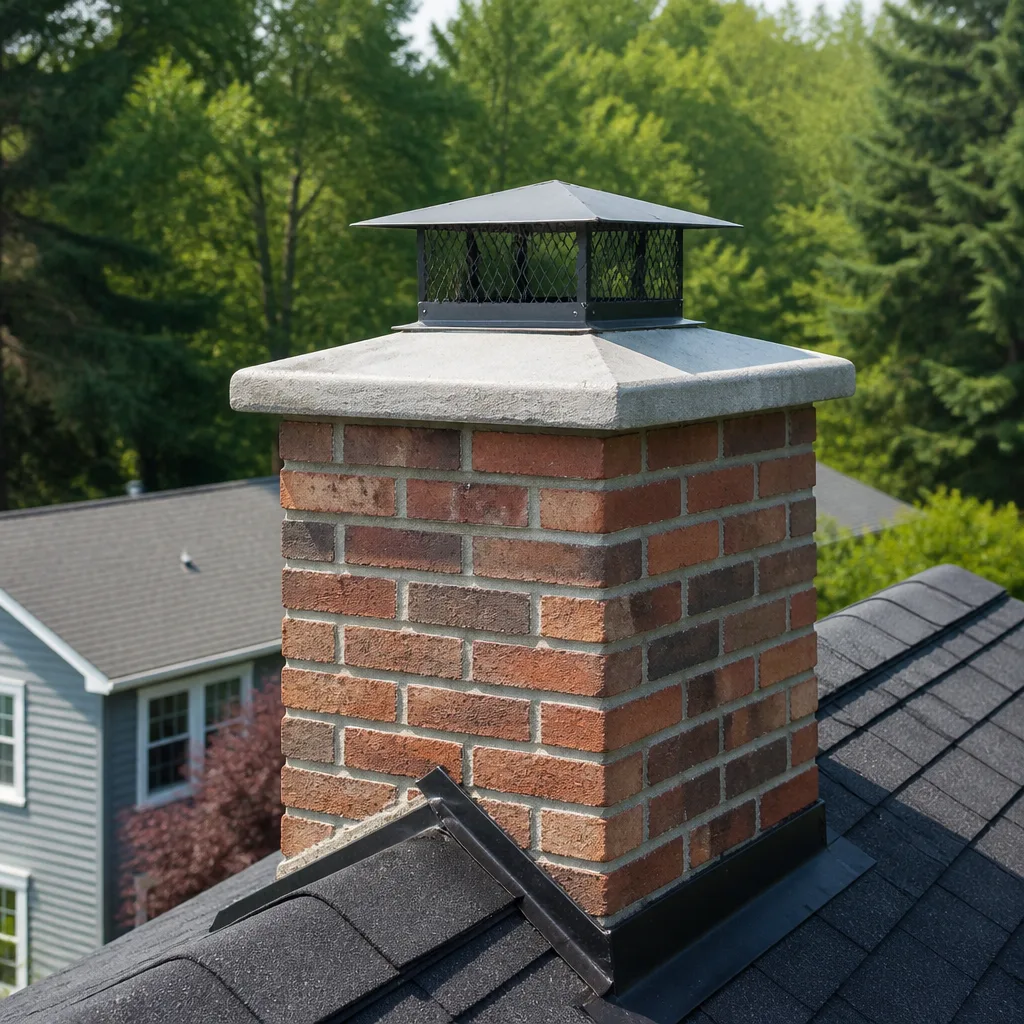 Caps & crowns
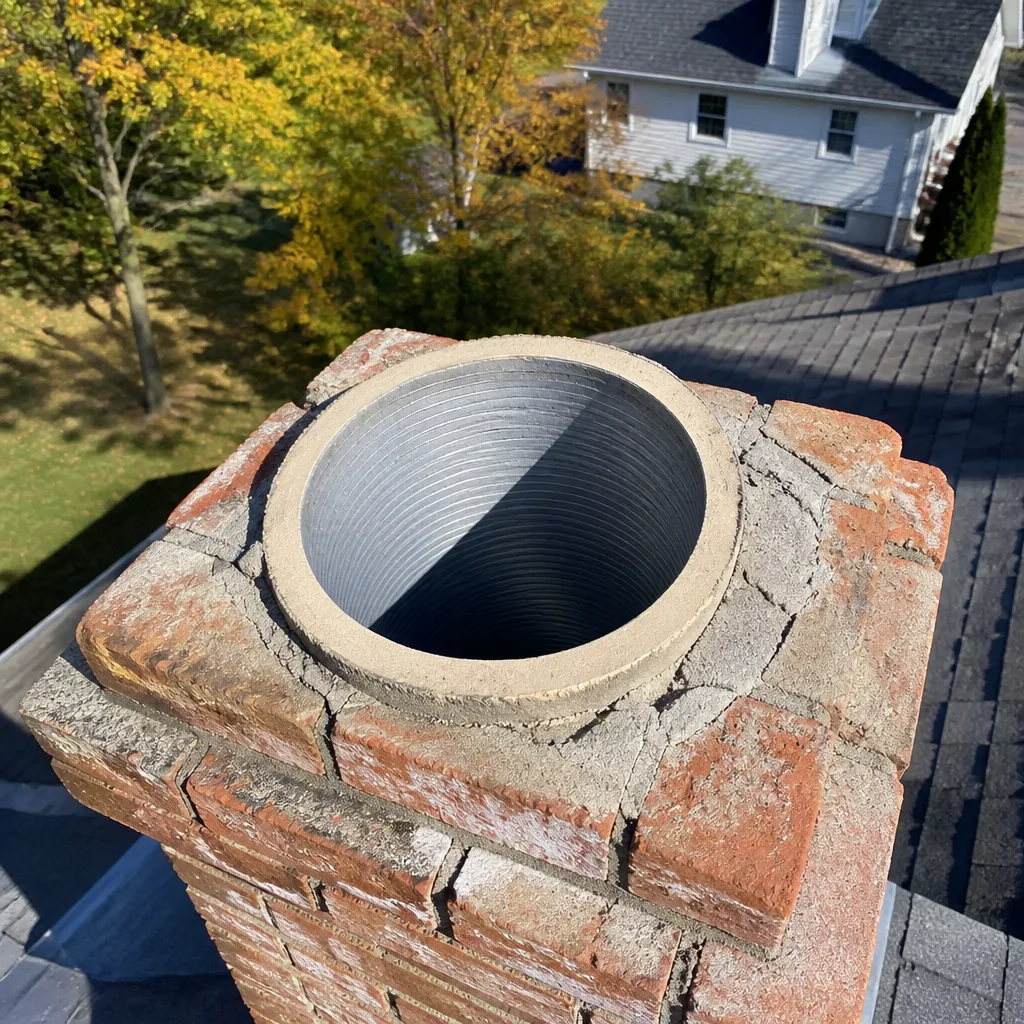 Flue relining
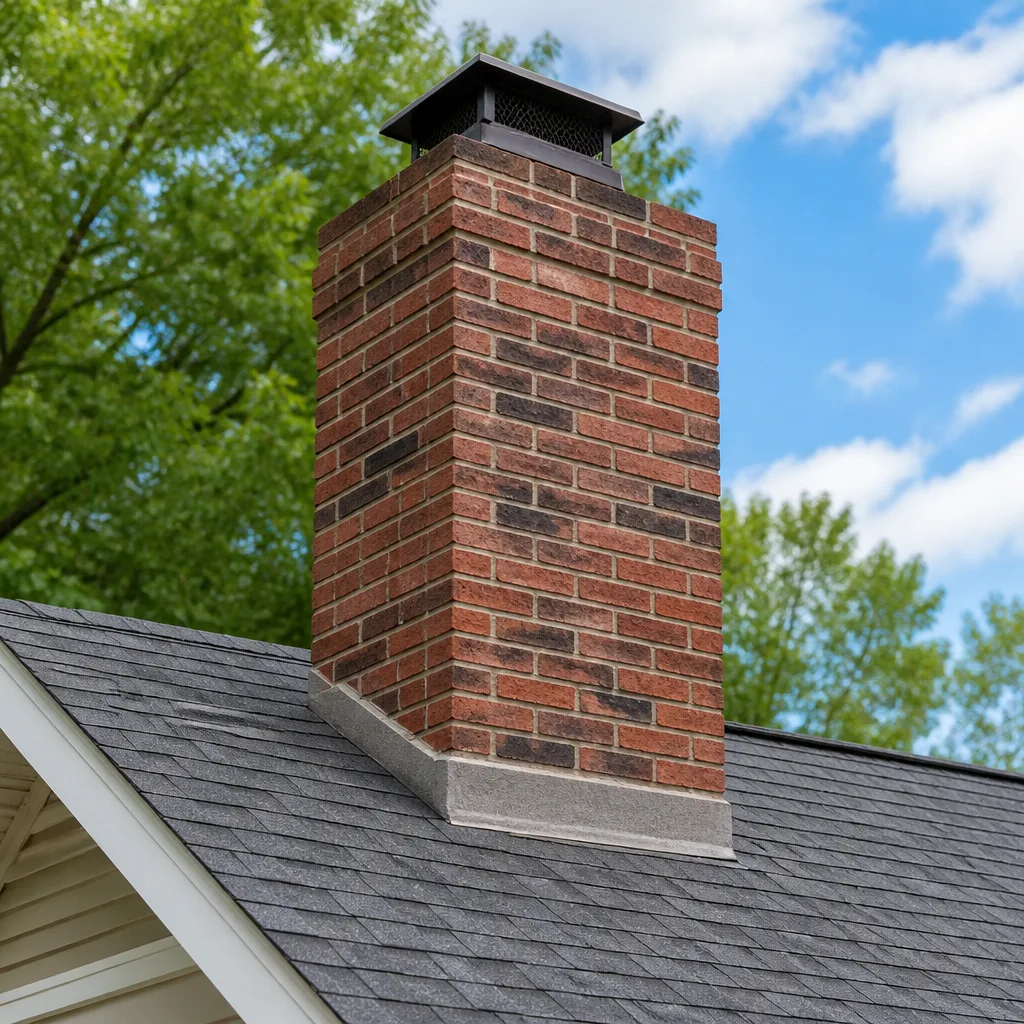 Masonry repair
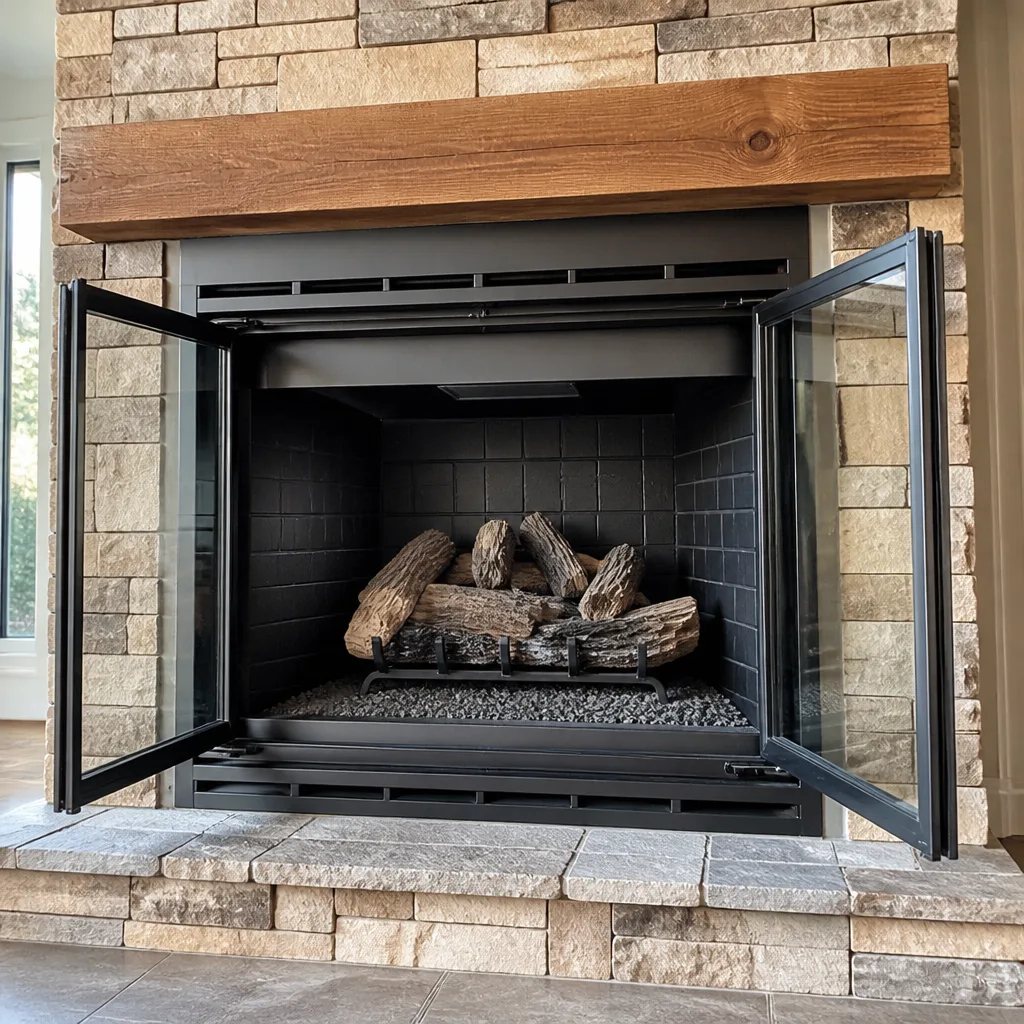 Gas fireplace service
Level 1 sweep and inspection to the NFPA 211 annual standard - flue, crown, cap, and flashing checked and photographed
Chimney sweep logs do not sweep chimneys. They loosen some creosote - which then falls where a brush and vacuum still have to collect it.
Choosing the Right Chimney Cleaning Brand: A Buyer’s Guide for University Park
Two contractors quote you the same job: “stainless steel liner installation.” One writes DuraFlex 304 alloy onto the estimate. The other writes nothing but “stainless steel.” Same house, same flue, two very different installations – and the difference is often a few hundred dollars against the performance of a system that will live inside your chimney for decades. Most homeowners never think to ask what brand or alloy grade is being installed, and that blind spot is exactly where cheap material gets sold as premium work. This guide shows you how to read a chimney cleaning and repair quote like someone who knows the trade, from liner systems to crown sealants, and gives you the language to verify material quality before a single box is opened. We’ll pay particular attention to what to look for in University Park homes.
Quick Answer
The right chimney brand is one you can verify: a liner listed to UL 1777 in a named alloy grade (DuraFlex is the trade standard for wood-burning chimneys), a smoke chamber coating with a documented manufacturer (HeatShield), and hardware from established makers like Gelco for caps and crowns. Any quote that says only “stainless liner” or “professional sealant” without a brand, alloy or model number is one worth questioning. In University Park, with your mild winters, most chimney damage comes from water intrusion and deferred maintenance rather than cold weather, so brand choices in caps and crowns matter as much as the liner itself.
Styles & brands we work with
- Sweep & inspection
- Caps & crowns
- Flue relining
- Masonry repair
- Gas fireplace service
Table of Contents
- Why Chimney Brand Names Actually Matter
- The Five Product Categories of a Full-System Chimney
- UL 1777 Certification and California Code
- HeatShield and the Smoke Chamber Standard of Care
- The Contractor-Brand Relationship
- What to Check On-Site Before Installation
- Common Mistakes to Avoid
- Frequently Asked Questions
Why Chimney Brand Names Actually Matter
A chimney brand is shorthand for a set of verified promises: what alloy the metal is, how the product was tested, who holds the listing, and what happens if it fails. When a contractor names DuraFlex, HeatShield, Gelco, Olympia Chimney, Famco, or Copperfield on a written quote, they’re stating something concrete you can check. When they name nothing, you’re being asked to trust a category of material rather than a specific product.
That distinction matters because the chimney market includes two very different supply chains. One is the professional-trade channel, where liners are sold through authorized distributors to installers who work to a manufacturer’s specification. The other is the open market, where unbranded and imported materials flood in with no traceable listing and no clear grade.
We’ve been on the inspection side of this long enough to see the pattern. A homeowner has a liner installed years earlier and now has carbon monoxide concerns or visible corrosion. The original paperwork says “stainless steel liner” and nothing else. There’s no alloy grade on record, no UL listing number, no manufacturer traceable. Diagnosing the problem becomes guesswork, and replacement is often the only responsible answer.
That’s why “inspect first, recommend honestly” starts with knowing the products in play. In University Park, where many homes date back decades and were wired and vented under older conventions, the products already in your chimney may not be what a previous owner was told they were. Professional-grade materials, by name, are the starting point for any real assessment.
The Five Product Categories of a Full-System Chimney
A chimney is a system, not a pipe. Each part of that system has its own best-in-class materials, and a full-system specialist should be able to speak to every one of them. Here’s the map we use when explaining what brands matter and why.
1. Liner Systems (DuraFlex, Olympia Chimney)
The liner is the metal flue that carries combustion gases from the firebox to the top of the chimney. DuraFlex and Olympia Chimney both make flexible stainless steel liners for wood-burning, gas, and oil applications. DuraFlex is widely specified by trade installers because of its alloy options – 304, 316L – and its flexible corrugation, which accommodates offset or irregular flues that rigid liners can’t reach. Olympia offers a comparable professional line that some installers prefer for specific geometries.
What to know: the brand name on the liner should correspond to an actual tested product with a listed alloy grade. A liner that says only “flex” or “stainless” without a maker, grade, or listing number is not a specification – it’s a description.
2. Smoke Chamber Coatings (HeatShield)
Between the firebox and the flue is the smoke chamber, a slanted, corbelled area that swirls smoke upward. It’s also where creosote can collect and where older masonry is often rough and deteriorating. HeatShield is a ceramic-based resurfacing system applied as a coating to the smoke chamber to create a smooth, insulated surface that parging alone can’t replicate. We’ll dig into HeatShield specifically in its own section below.
3. Creosote Treatments (Poultice, SootEraser, ACS)
Stage 3 creosote – the glazed, tar-like layer – cannot always be removed with a brush. Chemical treatments like poultices, SootEraser products, and ACS (Anti-Creosote Solvent) soften the deposit so it can be swept out in a follow-up visit. Brand matters here because application timing and dwell time vary by product, and a technician who names the product they use can explain exactly how it interacts with your flue’s geometry.
4. Crown Sealants (CrownCoat)
The crown is the concrete or masonry cap at the top of the chimney that sheds water. CrownCoat is a flexible acrylic coating that seals hairline crown cracks that ordinary mortar will re-crack within a season or two.
5. Stainless Caps and Hardware (Gelco, Lyemance)
Gelco and Lyemance both make stainless or powder-coated caps that attach over the flue opening. A properly sized cap keeps rain, animals, and birds out – and in a mild, humid Southern California climate, water intrusion is the single biggest long-term damage source. Brand matters because cheap caps corrode, warp, or fit poorly, and poorly fitted caps trap moisture.
UL 1777 Certification and California Code
UL 1777 is the safety standard for chimney liners. A liner listed to UL 1777 has passed third-party testing for heat resistance, mechanical strength, and gas-tightness under a defined set of conditions. It’s not just a label – it’s the reason a liner installation is legal in California, insurable, and compatible with the appliance manufacturer’s warranty.
There are three practical things to know about what UL 1777 does and does not cover:
- It names a specific product. The listing applies to a model and construction, not to the phrase “stainless steel liner.” An unbranded liner sold at a home improvement store may or may not carry a listing, and if it does, the listing applies to the box, not to an installer’s improvisation.
- It is verifiable. A listing number appears on the liner packaging and in the manufacturer’s documentation. A homeowner can request to see both before installation and can look the product up through the manufacturer’s published listing data.
- It ties to the appliance warranty. Most fireplace and wood stove manufacturers specify a UL 1777 listed liner in their installation instructions. An unlisted liner can void the warranty and, in some jurisdictions, fail a home inspection during a sale.
In University Park, where building codes have tightened over the years and inspections now look closely at combustion appliance venting, an unlisted liner is a documentable problem. When we look at a chimney during Chimney Sweep University Park, the first question about the liner is always: what is it, exactly, and is it listed?
HeatShield and the Smoke Chamber Standard of Care
HeatShield’s Cerfractory foam system is a proprietary ceramic and refractory cement applied to the interior of the smoke chamber, filling in corbelling irregularities, sealing cracks, and creating a smooth, insulated surface. What it does that parging alone cannot: it bonds to masonry at a thickness the manufacturer specifies, withstands combustion temperatures, and is applied as a documented, warrantied product rather than a mortar skim over a rough surface.
Why does the smoke chamber matter more than most homeowners realize? Because a rough, deteriorating smoke chamber does two things: it slows the draft (making the fire smoky and the chimney more prone to creosote buildup) and it gives creosote a place to hide that a brush can’t clean. HeatShield gives you a restore-before-you-replace option. Instead of tearing out a chimney to install a new liner and rebuild the chamber, HeatShield resurfaces the existing chamber and often lets the original flue keep serving its appliance.
In University Park, we treat HeatShield as the standard of care for smoke chambers in pre-1970 masonry chimneys with visible corbelling damage, cracked parging, or significant creosote accumulation in the chamber itself. Post-1970 factory-built fireplaces usually have a stainless smoke chamber that doesn’t need resurfacing, but the decision always follows a proper inspection, never precedes it. During a Level II inspection we camera the chamber, record the footage, and show the homeowner exactly what we’re seeing. If work can safely wait, we say so.
The Contractor-Brand Relationship
There’s a real signal buried in how a contractor writes an estimate. A contractor who names a brand, alloy grade, and model number on the written quote is telling you several things at once: they’ve chosen the product deliberately, they know what they’re installing, they expect you to check, and they’ll stand behind the specification. A contractor who writes “stainless liner” and “professional sealant” is telling you the opposite.
Here’s how to read the difference in practice:
- “DuraFlex 316L 6-inch liner, UL 1777 listed” – specific alloy, specific maker, specific listing. This is a specification.
- “Stainless steel flexible liner” – a category description. Could be 201 alloy, 304, or 316L. Could be listed, could not. You cannot evaluate it as written.
- “HeatShield smoke chamber resurfacing per manufacturer spec” – a documented method with a defined application standard.
- “Smoke chamber repair with refractor cement” – plausible wording, but there’s no way to know whether the product is HeatShield or a generic mortar skim.
- “Gelco stainless multi-flue cap, custom sized” – an actual product you can look up.
- “Chimney cap installed” – could be a $30 hardware store cap or a $400 custom Gelco. You have no way to tell.
The full-system specialist approach means we work with a curated roster of trade brands – DuraFlex, HeatShield, Gelco, Olympia Chimney, Famco, Copperfield – and specify them on paper. If a product fails or needs warranty service years later, the record exists. If a generalist contractor installed “a cap,” there’s nothing to trace.
What to Check On-Site Before Installation
The most effective moment to verify material quality is before a single box is opened. Here’s the checklist we encourage every University Park homeowner to run through, and that our own technicians expect to answer.
- Ask to see the product packaging before installation. Every professional-grade liner, cap, and coating system arrives in branded packaging with manufacturer labeling on the box. If the packaging is unbranded or has been discarded before arrival, ask why.
- Write down the UL listing number from the box. A UL 1777 listed liner carries its listing number on the packaging. Note it, and ask the installer to write it on the invoice as well.
- Confirm the alloy grade in writing for any liner system. 304 is the minimum for wood-burning. 316L is the preferred grade for wood-burning applications and is the standard recommendation for chimneys that see heavy use. 201 alloy is not rated for chimney liners and should not be accepted.
- Ask for the manufacturer’s installation instructions and warrantied application method. HeatShield, Gelco, and DuraFlex all publish application standards. If the installer can’t produce them, they’re not working to the manufacturer’s spec.
- Ask who holds the product warranty for the installation. A listing is one thing; the manufacturer’s product warranty is another. A brand-name installation carries both. An off-brand installation carries neither reliably.
- Photograph the installation during the process if you can. A photo record of the product in the box and the labeled packaging is useful later if a warranty claim is ever needed.
We build all of this into our own process, and it’s the reason our technicians can hand a homeowner a written specification they can check before we begin.
What a Proper Full-System Inspection Reveals
Brand choice begins with inspection. Without it, every product recommendation is guesswork. A Level I inspection is a visual check of the accessible portions of the chimney and firebox, appropriate for an annual maintenance visit. A Level II inspection adds a video camera run through the flue and is the appropriate level when you’ve moved into a new home, changed appliances, had a chimney fire, or are considering any repair work.
What we typically document in a University Park masonry chimney during a Level II inspection:
- The condition of the flue liner, with the alloy grade and any visible manufacturer markings recorded if legible.
- The smoke chamber – corbelling condition, thickness of any existing parging, and any cracking.
- The crown – hairline cracks, direct cracks, or separation from the flue tile.
- The cap – presence, fit, and material condition.
- The firebox and damper – condition of the masonry and operation of the damper.
- Creosote staging – Stage 1, 2, or 3 – with photo documentation of any stage 3 deposit.
We provide a photo report with the inspection so the homeowner can see exactly what we’re describing. From there, the brand recommendation sits on top of a documented observation, not a sales pitch. This is also where honest sequencing comes into play: some repairs need to happen now (a compromised liner, a crown cracked through), and some can wait a season (a hairline crown crack, a cap that’s weathered but sealed). We tell you which is which. A full-system inspection is available as a standalone service, and it means you get an assessment, not a bundled quote for work you didn’t ask about. A separate chimney sweep visit is a cleaning service, not an inspection, and the two are often confused.
How to Read a Chimney Repair Quote
Once you have an inspection report, the next step is a written quote. Here’s what a well-written, brand-specific quote contains, and what a weak one hides.
- Product names and model numbers. Not “liner system” but “DuraFlex 316L, 6-inch, UL 1777 listed.”
- Quantities and dimensions. Flue length, cap dimensions, and any materials for the crown repair.
- Application method for coatings. For a HeatShield job: the specified thickness and application standard. For a crown: CrownCoat, mortar, or a poured crown replacement, each clearly named.
- Scope limits. What the quote does and does not include (for example, “liner installation includes cap removal and reinstallation but excludes firebox repair”).
- Warranty language. The manufacturer’s product warranty and the installer’s workmanship warranty, each stated separately.
- A named brand for the cap. Gelco or Olympia in a professional installation, not “chimney cap.”
If a quote lacks any of these, ask for them in writing. A serious contractor will produce them without hesitation. The written estimate is what sets the final price; nothing should be added afterward. If a contractor resists putting a brand name and listing number on the quote, that’s the simplest possible read on whether they’re working with professional-grade materials.
Why University Park Chimneys Face Water More Than Fire
Southern California’s mild winters mean the biggest long-term threat to a University Park chimney usually isn’t a hard freeze – it’s water. Rain entering through a corroded cap or a hairline crown crack works its way into masonry and rusts metal components from the inside. Over a few seasons that shows up as spalling brick, a cracking crown, a rusted damper, or a compromised liner.
That’s why the cap and crown deserve equal footing with the liner in any brand conversation. A properly sized Gelco or Olympia cap, and a CrownCoat or poured-crown repair, address the actual leading source of long-term structural damage in this climate. It’s a different calculation than you’d see in a colder market, and it’s part of why we emphasize the water intrusion side of chimney cap & crown work as much as combustion safety. When we look at a chimney in University Park, the cap and crown are always part of the brand conversation, not an afterthought.
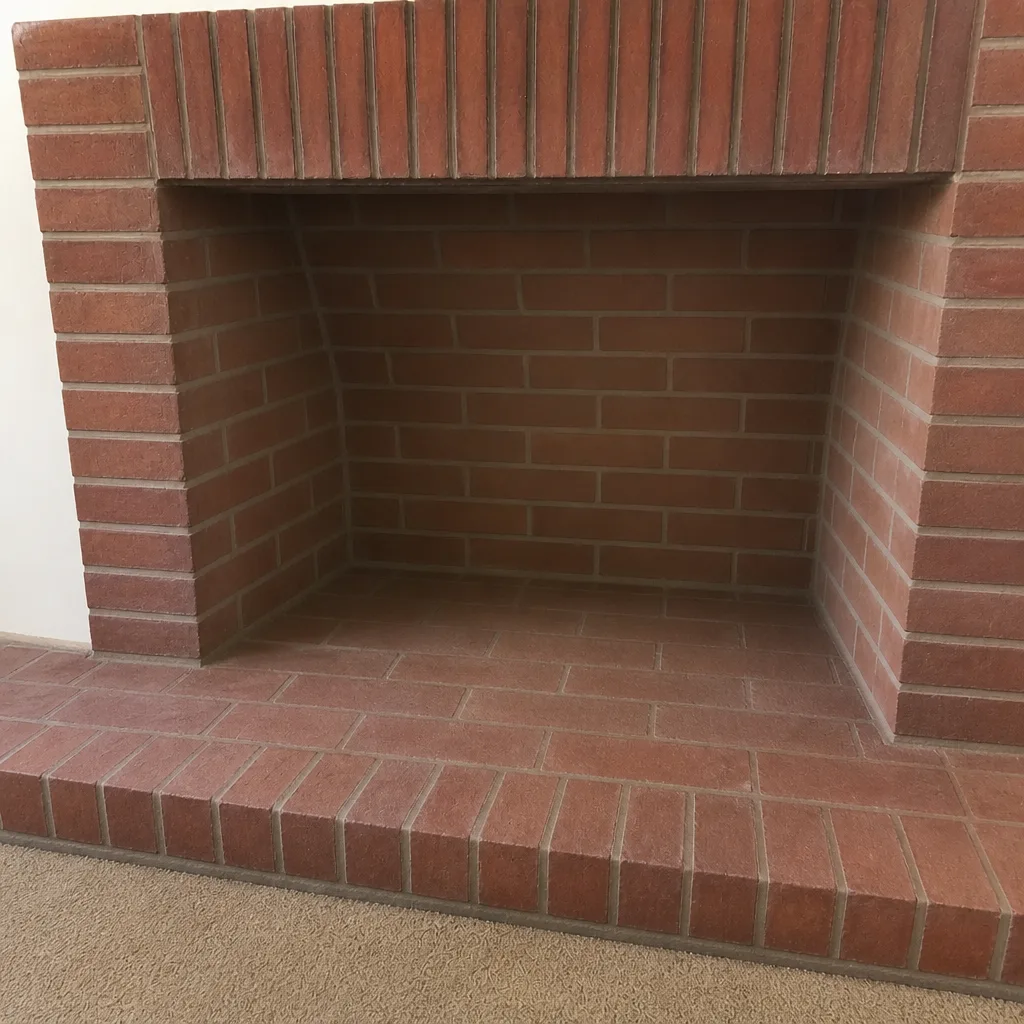
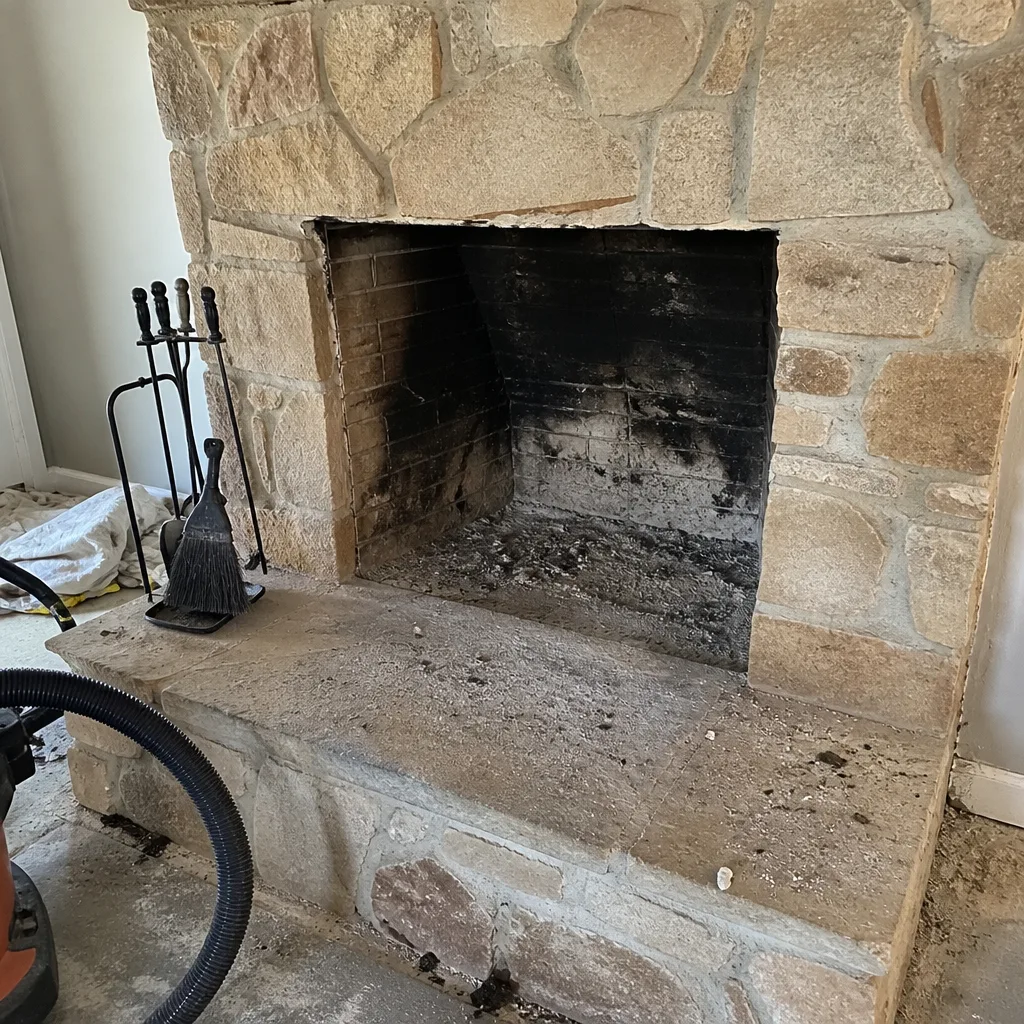
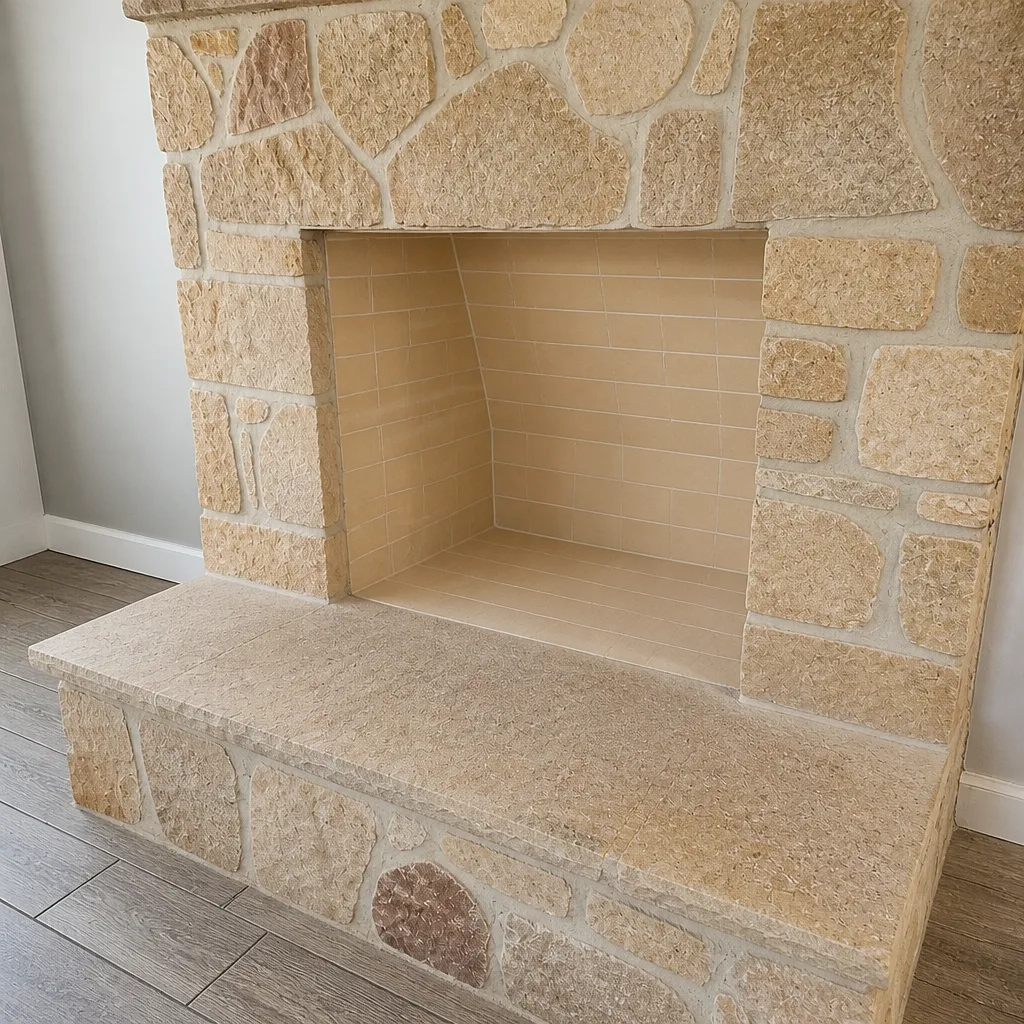
See the difference
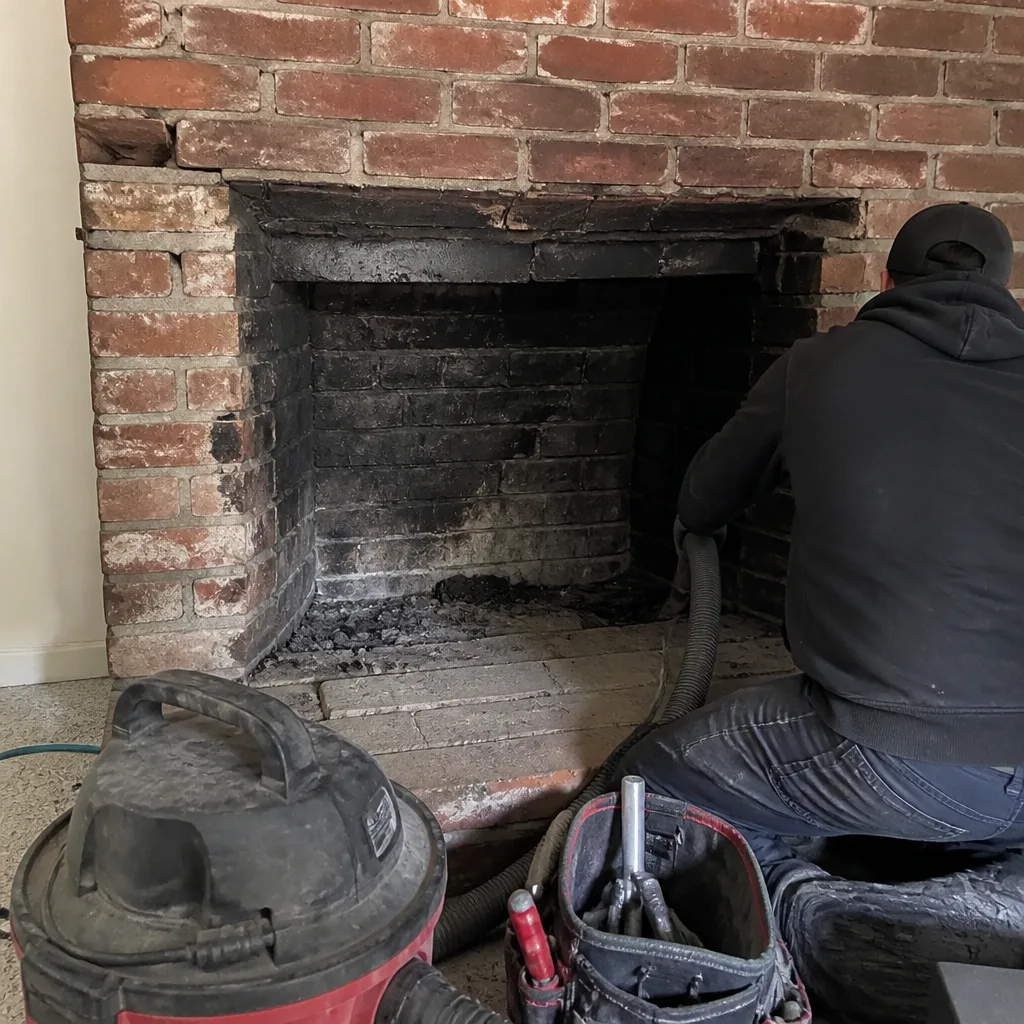 Before
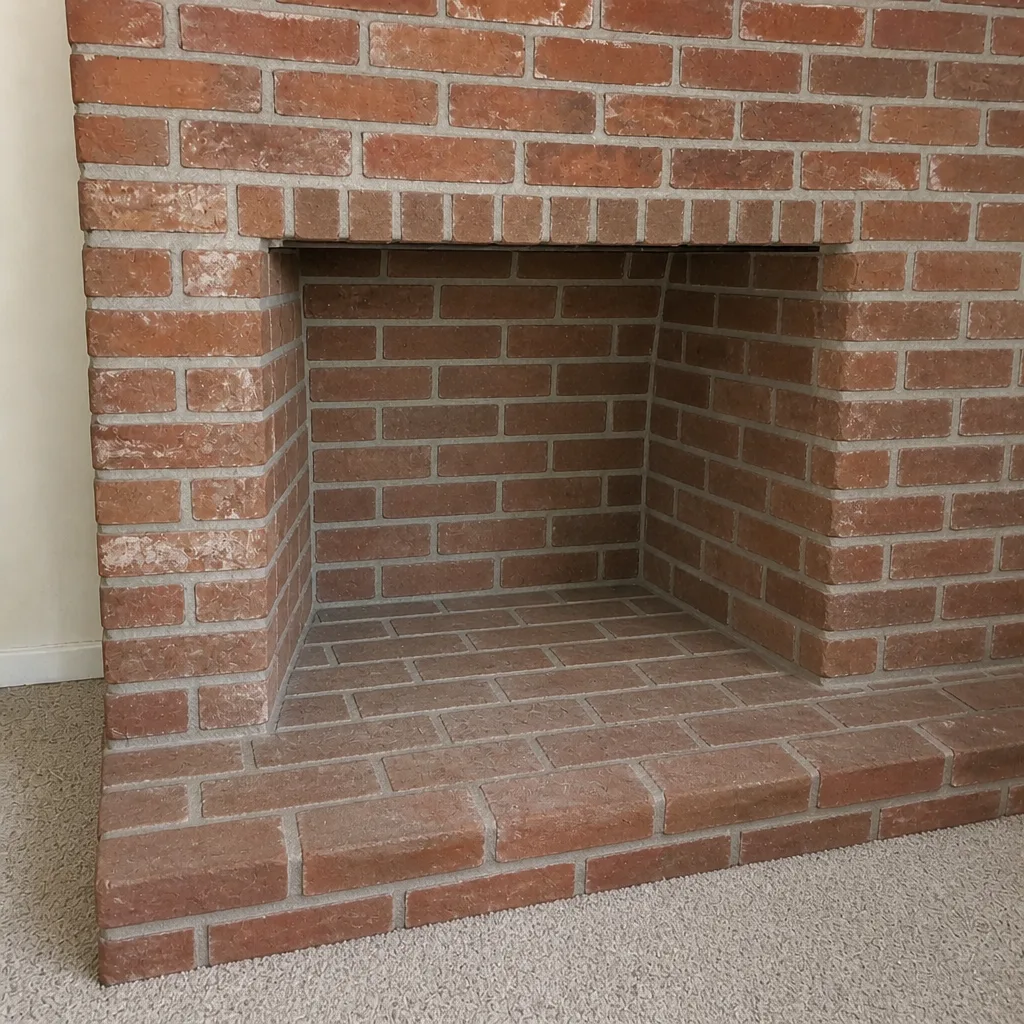 After
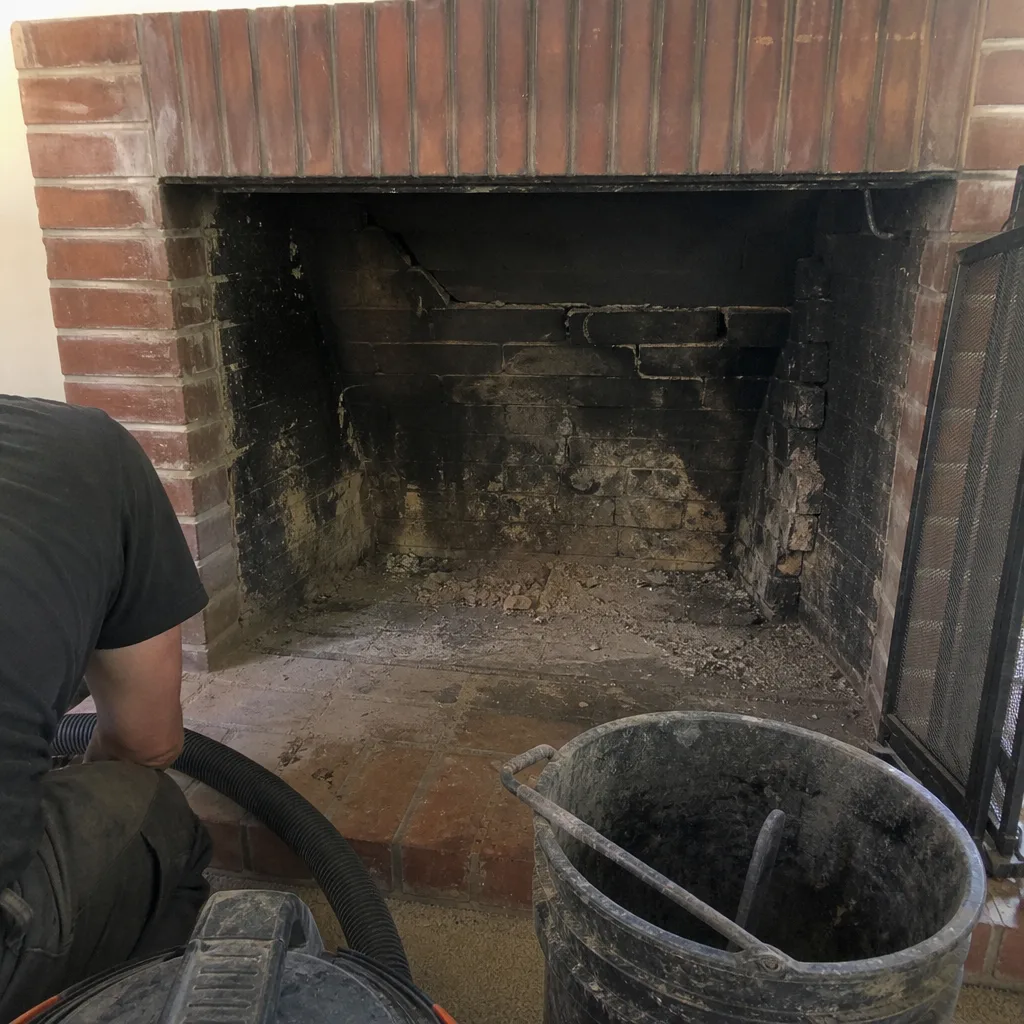 Before
 After
 Before
 After
The Brand-vs-Price Decision
Homeowners often ask us to compare a quote from one contractor using a named brand against a quote from another using an unnamed product that comes in lower. The honest comparison isn’t the two-line difference on the estimate – it’s the material inside the chimney for the next twenty years.
Three questions usually settle the decision:
- Is the specific product UL 1777 listed? If one quote names a listed product and the other doesn’t, that alone defines the answer.
- What is the alloy grade? 316L outperforms 304 in high-use wood-burning applications. 201 alloy has no place in a chimney liner, regardless of how the quote is worded.
- Who stands behind the warranty? A named brand’s warranty travels with the product. An unbranded product’s warranty is a promise from whoever installed it, which may not be the same person in five years.
Cheap material usually fails visibly within a decade: rust-through at the flue collar, thinning at the top termination, corrosion at the appliance connection. Replacements for that failure usually exceed the original price difference by a wide margin, before any sorting out of damage to the surrounding masonry. For a University Park homeowner considering a liner installation, the brand question is the single largest lever on long-term value.
Common Mistakes to Avoid
- Accepting “stainless steel liner” as a specification. It’s not a brand, an alloy, or a listing. Ask for all three in writing before you sign a contract.
- Skipping the UL 1777 verification. The listing number is on the packaging and on the manufacturer’s documentation. If no one produces it, the liner may not be listed.
- Treating the cap as a commodity. A hardware-store cap that fails in two years can leave your flue exposed through an entire rainy season. Gelco and Olympia products exist for a reason: fit and materials matter.
- Letting a contractor talk you into full liner replacement without seeing any inspection footage. On older University Park chimneys, HeatShield resurfacing sometimes restores the existing flue without a full tear-out. You shouldn’t accept either option without looking at what’s actually in the flue.
- Assuming a fireplace insert installation needs no liner work. Most insert manufacturers specify a UL 1777 listed liner for the appliance to operate safely and to keep the warranty in force. Ask for the installation instructions and check. If you’re repositioning an insert or fireplace assembly, a fireplace repair visit is often the right way to start.
- Accepting chemical creosote treatment without being told the product. Stage 3 creosote needs a specific product applied with proper dwell time. “We’ll treat the creosote” is not enough information to evaluate.
- Skipping the annual inspection because “nothing looks wrong.” Most liner degradation and crown cracking is invisible from the firebox. It shows up on camera or after a wet season. The mild-climate assumption that “our chimneys don’t have problems like cold-climate chimneys” is a real risk in University Park.
When to Call a Professional
Call us when the fireplace smells like smoke even with the damper open, when you’ve seen water stains on the firebox or rust on the damper, when you notice a cap that’s loose or missing, when the crown has a crack you can see from the roof, or when you’ve moved into a University Park home and don’t know the age or condition of the liner. Call us before the first rainy season on a new-to-you chimney, and call us anytime the flue hasn’t been inspected in years. We can work with your insurer if a claim is part of the picture. Chimney Sweep University Park offers free estimates in University Park – call (877) 792-6047. We answer 24/7. Fast dispatch from 7am to 7pm, Sunday through Friday.
Frequently Asked Questions
Once a year for a visual Level I inspection, and a Level II camera inspection any time you move into a new home, change appliances, or have a chimney fire. In a mild climate, the annual inspection catches water intrusion and crown cracking that homeowners can’t see from the firebox. Our technicians have up to 8 years of experience on University Park chimneys. Call (877) 792-6047 for an exact quote – estimates are free.
No. “Stainless steel” is a category, not a specification. Ask for the brand (DuraFlex or Olympia Chimney, for example), the alloy grade (304 or 316L for wood-burning), and the UL 1777 listing number. Any contractor working with professional-grade materials can produce all three in writing. If they can’t, treat it as a red flag. Call (877) 792-6047 for a quote written with a named brand and listing number – estimates are free.
HeatShield is a ceramic-based smoke chamber resurfacing system, not a liner. It repairs the smoke chamber above the firebox so the chimney drafts properly and creosote has less surface to cling to. It’s often the right answer when the flue itself is still sound but the chamber is deteriorating. Whether it’s a substitute for liner replacement depends entirely on what the camera shows. Call (877) 792-6047 for an exact quote – estimates are free.
Because the cap is your chimney’s defense against rain, animals, and debris, and cheap caps have short lives. A Gelco or Olympia stainless cap is sized to the flue, holds up under UV and moisture, and doesn’t corrode in a few seasons. In University Park’s climate, a failing cap is often the start of a crown repair and, eventually, a liner problem. Call (877) 792-6047 to have your cap evaluated – estimates are free.
That’s a question only a proper inspection can answer. If the flue liner is intact and the smoke chamber is the problem, HeatShield resurfacing is often the answer. If the liner is cracked, corroded, or unlisted, replacement with a DuraFlex or Olympia listed liner is the responsible choice. We don’t recommend either without camera evidence you can see yourself, and we tell you when work can safely wait. Call (877) 792-6047 for an exact quote – estimates are free.
Small problems become big ones, usually quietly. A hairline crown crack becomes a rusted damper; a corbelled smoke chamber becomes a creosote trap; an unlisted liner becomes a carbon monoxide risk with no documentation trail. Southern California winters are mild, so the slow damage happens over months rather than days. The annual visit is how you catch it while it’s still cheap to fix. Call (877) 792-6047 to schedule an inspection – estimates are free.
The Bottom Line
Brand names in the chimney trade are not marketing decoration. They’re the shorthand for alloy grade, listing status, tested performance, and traceable warranty. A University Park homeowner reading multiple quotes can sort them quickly by asking one question: does the quote name the product? DuraFlex and Olympia Chimney for liner systems, HeatShield for smoke chamber restoration, Gelco for caps. If a contractor writes “stainless steel” and nothing else, you have no way to evaluate what will live inside your chimney for the next twenty years. Inspect first, ask for the brand and listing number in writing, and let the documentation drive the decision. That’s the whole method. Everything else is a different price for the same job.
Chimney Sweep University Park provides chimney sweeping, chimney inspection, fireplace repair, chimney repair, and chimney cap & crown services as a full-system specialist, working with DuraFlex, HeatShield, Gelco, Olympia Chimney, Famco, and Copperfield. Whether you’re reading quotes for a liner installation or booking a first inspection on a home you just bought, our technicians have up to 8 years of experience bringing professional-grade specification to the paperwork. Call (877) 792-6047 for a free estimate. We answer 24/7. Fast dispatch from 7am to 7pm, Sunday through Friday.
Written by the team at Chimney Sweep University Park.