
Last updated November 24, 2026
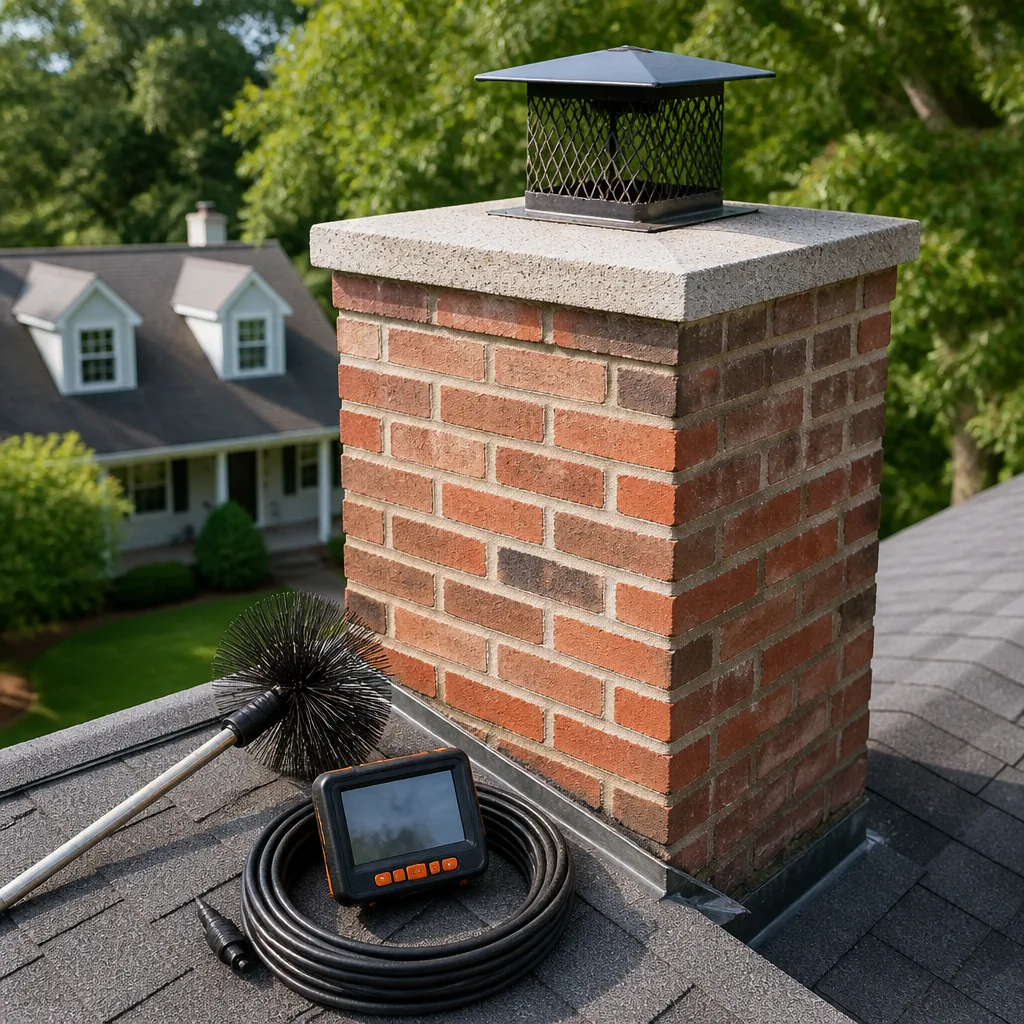 Sweep & inspection
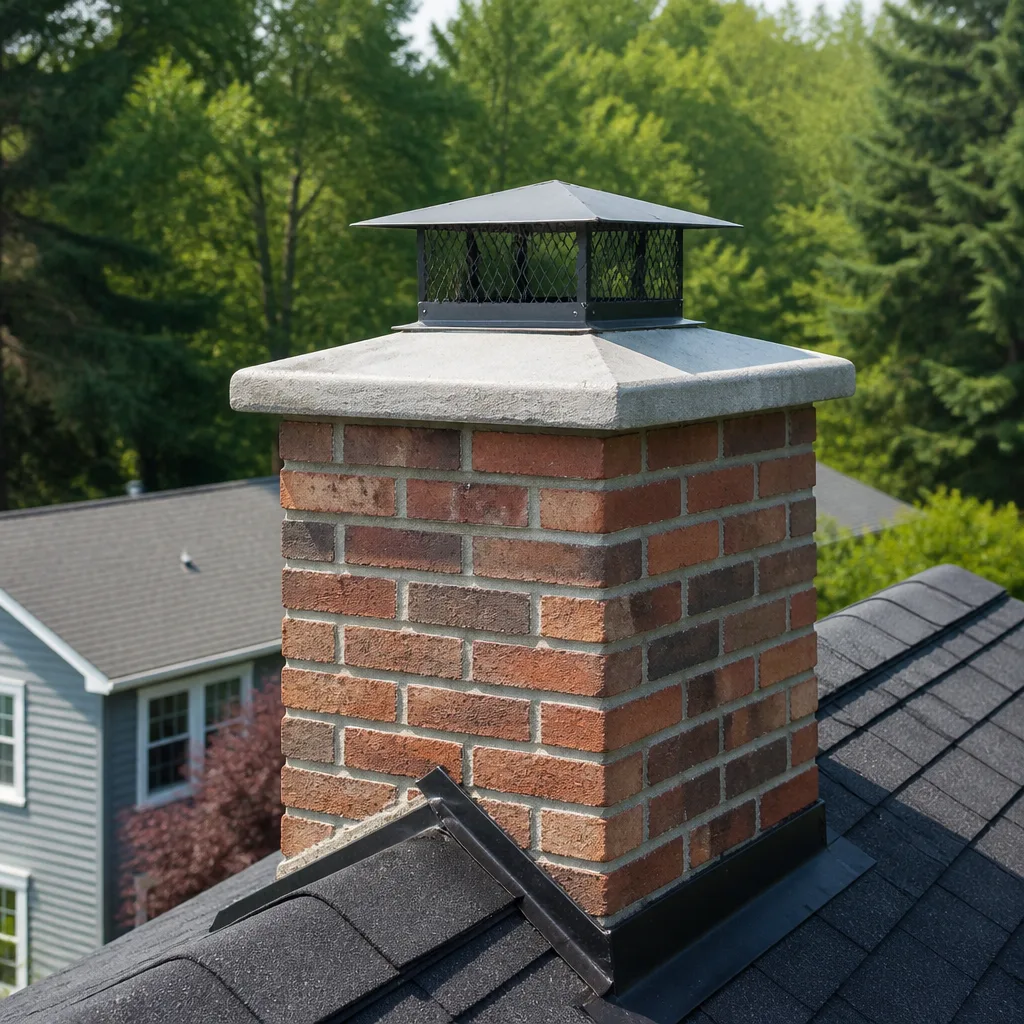 Caps & crowns
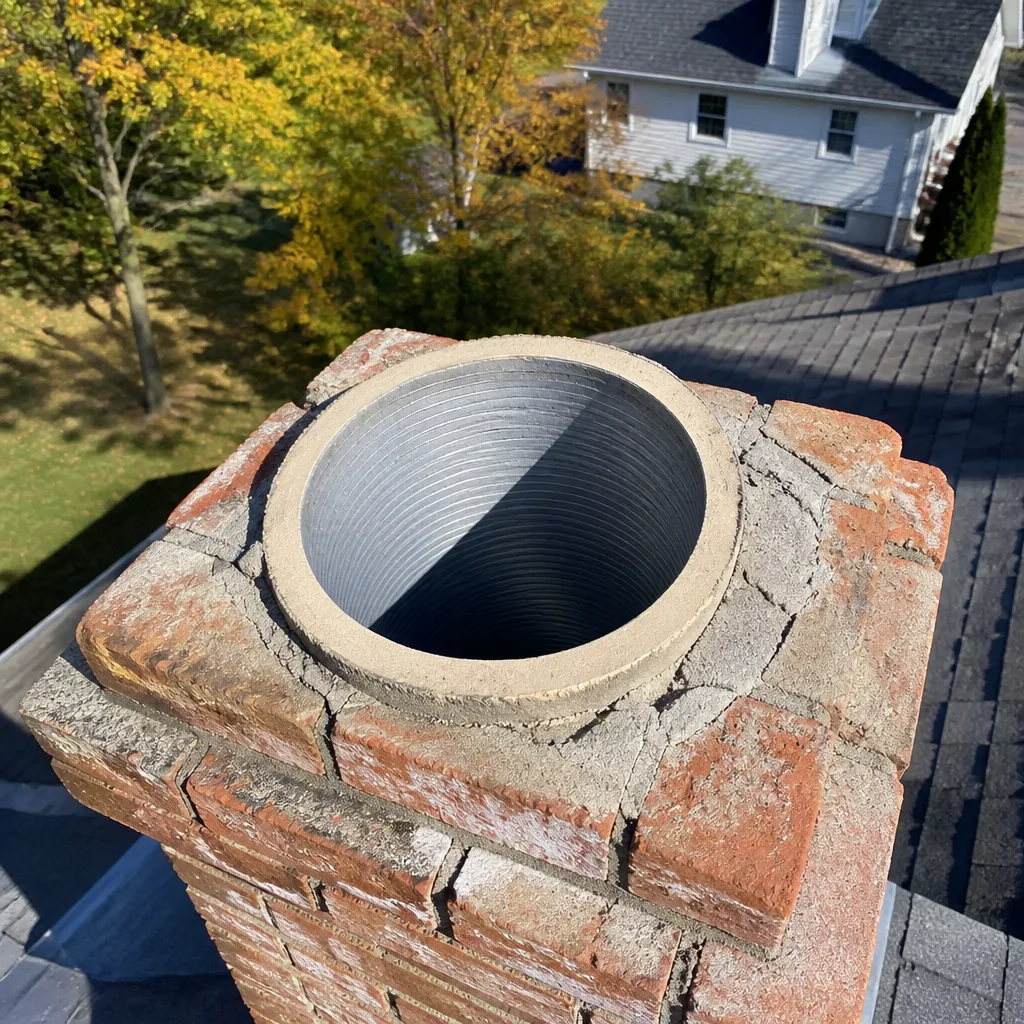 Flue relining
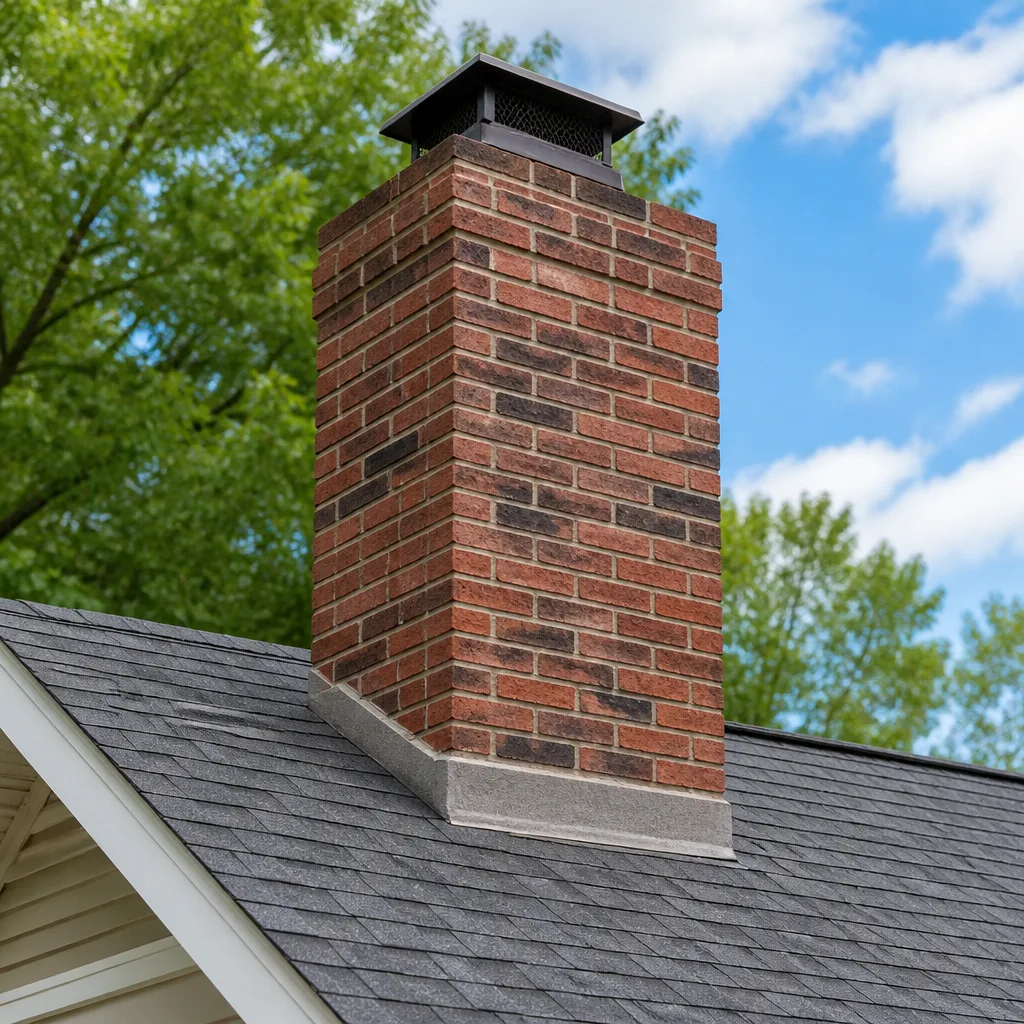 Masonry repair
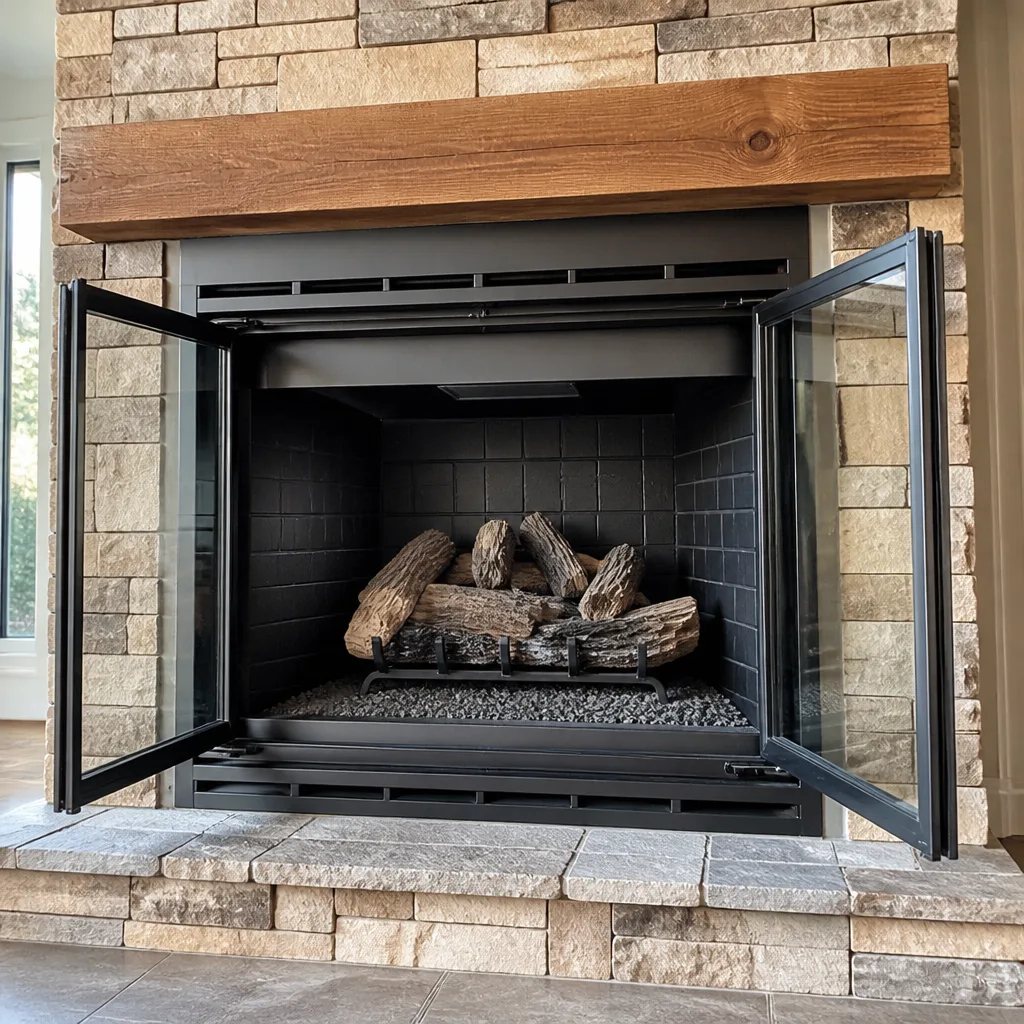 Gas fireplace service
Level 1 sweep and inspection to the NFPA 211 annual standard - flue, crown, cap, and flashing checked and photographed
Chimney sweep logs do not sweep chimneys. They loosen some creosote - which then falls where a brush and vacuum still have to collect it.
How to Hire a Chimney Cleaning Contractor in University Park: A Step-by-Step Guide
Most homeowners hire a chimney contractor the same way they hire a carpet cleaner: they pick whoever answers the phone and quotes the lowest number. That works fine for carpet. It fails for chimneys, because the person you’re inviting into your home is making safety calls about a flue that carries smoke, carbon monoxide, and creosote out of a living space. Vetting credentials matters more than price, and in our part of greater Los Angeles County the credential gap is wide. This guide walks you through exactly what to ask, what a legitimate scope of work looks like, and how to spot the low-bid trap before you book anyone in University Park.
Quick Answer
To hire a chimney cleaning contractor in University Park, verify three things before booking: that the technician holds a CSIA Certified Chimney Sweep credential, that the company carries at least $1 million in general liability plus workers’ comp, and that the sweep ends with a written inspection report and a written scope for any recommended repair. Ask what liner systems the company installs and whether they carry a flue camera. If the answers are vague, keep calling.
Styles & brands we work with
- Sweep & inspection
- Caps & crowns
- Flue relining
- Masonry repair
- Gas fireplace service
Table of Contents
- Why Vetting a Chimney Contractor Matters More Than Price
- Credentials Explained: CSIA vs. NFI and Why Both Matter
- The Five-Question Vetting Script to Use Before Booking
- The Low-Bid Bait-and-Switch and How to Spot It
- What a Written Scope of Work Should Include
- What Insurance a Legitimate Contractor Should Carry
- Why You Want a Full-System Contractor, Not Just a Sweep
- Scheduling, Seasonal Timing, and What to Expect on the Day
Why Vetting a Chimney Contractor Matters More Than Price
A chimney sweep visit has two halves. The first half is cleaning: brush the flue, remove the soot and creosote, clear the firebox. The second half is diagnosis: look at what the cleaning revealed and decide whether the flue is still safe to use. The first half is easy and cheap. The second half is where qualifications separate one company from the next, and it’s the half that protects your home.
A sweep who can only clean will find the cracked flue tile or the deteriorated mortar joint and then tell you to call someone else. That’s not dishonesty, it’s a limit. A sweep who can diagnose and repair walks you through the same finding with a camera image, explains the options, and then does the work under the same roof. For a homeowner in University Park, that continuity matters. The alternative is a cleaning visit that ends with a name scribbled on a card and a second contractor who has to re-inspect the entire system before quoting.
There’s a cost component too. Every time a chimney changes hands mid-job, someone re-opens the flue, re-photographs it, and re-writes a scope. Those steps show up in what you eventually pay. Hiring one contractor who owns the whole lifecycle, from the annual chimney sweep through the chimney cap & crown work that closes out water problems, tends to be cheaper across a decade than hiring three separate specialists across the same period.
None of this means you should pay whatever the first company quotes. It means price is the last thing you evaluate, not the first. A cheap sweep from an unqualified operator costs more over time because it produces recommendations you can’t trust and work that may need to be redone.
Credentials Explained: CSIA vs. NFI and Why Both Matter
The two credentials you’ll hear about most are the CSIA Certified Chimney Sweep (CCS) and the NFI certification from the National Fireplace Institute. They cover different parts of the trade, and for a full-system contractor you want to see both.
CSIA Certified Chimney Sweep (CCS)
A CSIA CCS credential means the technician has passed a standardized exam on chimney and venting science, code requirements, and inspection protocols. It’s not a trade license, and it isn’t issued by a state agency, but it’s the closest thing this industry has to a universal standard. A technician with that credential is trained to recognize what a safe flue looks like and what a borderline one looks like, which is the whole point of the diagnostic half of a sweep. Without it, the person in your home is making safety calls based on whatever they were taught in the field, which may be nothing formal at all.
NFI (National Fireplace Institute)
An NFI credential covers the appliance side: the fireplace or insert itself, its venting, and the way it connects to the flue. A wood-burning insert is not the same system as a gas log set or a freestanding stove, and NFI training is specifically about those differences. If the company you hire handles fireplace repair as well as sweeping, someone on the crew should hold an NFI credential alongside the CSIA one. A sweep-only operation rarely has it, because they don’t touch the appliance.
What this means for a full-system contractor
For a company you intend to use as your chimney’s first and last call, you want both credentials present. The CSIA side covers the flue and the chase. The NFI side covers the firebox, the damper, and the appliance connection. A contractor with only one is half-equipped for what a full-system company should be able to do. When you call to book, ask which credential each technician holds and whether the person coming to your home has both.
The Five-Question Vetting Script to Use Before Booking
This is the part most homeowners skip. Five questions, asked on the phone or by email before you commit to a booking, will tell you more about a contractor than any review page. Ask all five. A company that can answer them quickly and specifically is probably the real thing.
- “Do you carry a flue camera?” A camera inspection is the difference between guessing and knowing. A company with a camera can show you the condition of the entire flue, including the parts you can’t see from the firebox. A company without one is relying on a flashlight and a mirror.
- “What liner systems do you install?” Listen for brand names and product types. DuraFlex flexible liners handle offset and irregular flues that rigid installers can’t work with. HeatShield resurfacing applies a ceramic coating to a deteriorated liner instead of pulling it out. If the answer is “we use whatever’s available” or “we sub it out,” that’s a red flag.
- “Which NFPA 211 inspection level do you perform, and who decides?” Level I is the routine annual inspection for a maintained, unchanged system. Level II is required when a system has changed (new appliance, new liner), when a property changes hands, or when an event has occurred. Level III is reserved for concealed areas. A contractor who can explain this in a sentence is trained. A contractor who answers “we just look at it” is not.
- “Do you carry workers’ compensation insurance for the crew?” General liability covers damage to your home. Workers’ comp covers a technician injured on your property. If the company doesn’t carry workers’ comp, an injury on your chimney becomes your problem.
- “Will you give me a written inspection report and a written scope of work before any repair is quoted?” This is the question that separates a professional from a salesperson. Oral findings are unverifiable. A written report backed by photographs and a written scope backed by specific materials is what you’re paying for.
Ask these questions of Chimney Sweep University Park the same way you’d ask any other contractor. Our technicians have up to 8 years of experience, we work with DuraFlex, HeatShield, Gelco, Olympia Chimney, Famco, and Copperfield, and we answer every one of the five before anyone books a visit. That’s not a sales pitch. It’s the standard you should hold us and everyone else to.
The Low-Bid Bait-and-Switch and How to Spot It
The most common trap in this trade starts with an unusually low cleaning price and ends with a large repair estimate on the same visit. The pattern is predictable. A sweep advertises a very low cleaning rate, arrives, cleans the flue fast, and then presents an on-site “repair estimate” for a scope you cannot verify, with no written report, no photographs, and no option to get a second opinion without paying again for the cleaning.
The reason this works is that the homeowner has no baseline. They didn’t see the flue before or after. They can’t tell whether the “cracked liner” is actually cracked or whether it’s a normal amount of surface wear. The low cleaning price bought the salesperson a foot in the door.
Red flags to spot before you book
- An advertised price that seems below what a proper visit costs. A real sweep includes setup, cleaning, a look at the components, and cleanup. Any price that couldn’t plausibly cover that labor is a lead-in.
- No written scope offered before the visit. A professional tells you in writing what will be done, what materials will be used if work is needed, and what happens if additional deficiencies are found mid-job.
- A “free inspection” bundled with a cleaning, then a repair quote on the same visit. An inspection is a real service. If it’s free, it’s likely a sales funnel, and the repair quote will be where the money is made.
- Pressure to sign today for a discount. Legitimate repair work doesn’t expire at the end of the visit.
- No brand names anywhere in the conversation. A contractor who installs professional liners talks about DuraFlex, HeatShield, Gelco, Olympia, or Famco by name because those are the products in the truck.
How to protect yourself
Ask for the written inspection report and written scope before any repair is quoted. If the company can’t produce those, don’t proceed. If a scope is produced but you’re not sure, get a second opinion from another CSIA-credentialed contractor before saying yes to a job over a few hundred dollars. And make sure the contract specifies what happens if new deficiencies are found mid-job, which is the one scenario the low-bid operators rely on you not having discussed.
What a Written Scope of Work Should Include
A written scope of work is not a one-page estimate. It’s a document that a second contractor could read and understand exactly what the first one proposed, without calling anyone. If the scope you receive doesn’t include the elements below, ask for a revised one before you sign.
The five elements every chimney scope should contain
- Specific materials by brand and product type. “Liner replacement” is not a scope. “DuraFlex flexible liner, sized to the existing flue, with a specified insulation wrap and top plate” is a scope. If the proposal calls for HeatShield resurfacing, it should say so, name the product, and describe which part of the flue is being resurfaced. If it calls for a Gelco or Olympia cap, it should name the model line. A scope without materials is a placeholder for whatever the contractor has on hand.
- The NFPA 211 inspection level performed. Level I, Level II, or Level III, named explicitly. This tells you how much of the system was actually evaluated before the repair was proposed. A level I inspection that produced a recommendation for a major reline is a scope you should question.
- The condition findings that triggered the recommendation. A photograph of the deteriorated area, a note on which flue tile or joint is failing, or a description of the crown cracks. “Deteriorating liner” without evidence is a recommendation, not a finding.
- The defined change-order process. If more damage is found mid-job, how does the contractor notify you, and what happens to the price? A professional scope says explicitly that additional work requires your approval before it’s performed, whether or not the contractor is already on site.
- Cleanup, disposal, and what’s left behind. Hauling away old liner material, sealing the top plate, and the condition you should expect at the end. A scope without a cleanup line usually means cleanup is a separate surprise.
None of this is meant to make the paperwork intimidating. A proper scope is usually two pages, and it’s written so you can read it without help. What it guarantees is that the price you sign equals the work performed, and that any change is a conversation rather than an on-site surprise. When our team puts together a scope for a University Park home, the five elements above are the standard format, and we encourage homeowners to compare it against what anyone else has proposed.
What Insurance a Legitimate Contractor Should Carry
Insurance is where the vetting conversation gets uncomfortable, so it’s the part most homeowners skip. It’s also the piece that decides who pays when something goes wrong. A licensed and insured contractor carries two policies that matter for a chimney job, and you can verify both before the visit.
General liability insurance
General liability covers damage to your home caused by the contractor’s work. For a chimney company, that means things like a dropped liner section, a broken crown, roof damage from ladder placement, or a fire caused by improper installation. The usual minimum you should ask for is $1 million per occurrence. Ask for a certificate of insurance naming you or your property. A company that carries it will send the certificate without hesitation.
Workers’ compensation insurance
Workers’ comp covers a crew member injured on your property. Chimney work involves ladders, roofs, and confined spaces, so the injury risk is real. If a technician falls from your roof and the company doesn’t carry workers’ comp, that injury can become your liability as the property owner. Ask explicitly whether the crew coming to your home is covered and whether that’s true for any subcontracted labor as well.
How to verify before the job starts
- Ask for both certificates by email. Legitimate contractors send them routinely. Any pushback is an answer in itself.
- Check that the policy is current. A certificate with an expiration date in the past tells you nothing about coverage today.
- Confirm the coverage extends to the specific crew. Some contractors carry a policy but the crew on a given job is a subcontractor who isn’t covered by it. Ask whether the people on your roof are direct employees or subs, and if subs, ask for their coverage separately.
- Match the coverage to the job. A simple annual sweep is lower risk than a full reline. Both should still be covered by general liability at the minimum above.
For our part, we work with independent local professionals who are licensed and insured as their state requires, and we encourage every homeowner in University Park to ask the same insurance questions of us that you’d ask anyone else. Getting a certificate isn’t a favor. It’s the baseline.
Why You Want a Full-System Contractor, Not Just a Sweep
The case for hiring a full-system contractor comes down to a single question: what happens when a sweep finds something? The answer depends on what the company is actually equipped to do.
What a sweep-only company can do
A sweep-only company can clean the flue, present a report, and, if the report shows deterioration, tell you to call someone else. That’s honest, and there’s nothing wrong with it. But it means the sweep you hired isn’t the company that resolves the finding. You’re back to vetting a second contractor, who arrives without having seen the flue on the cleaning visit and starts the discovery process over.
What a full-system company can do
A full-system company covers sweeping, inspection, fireplace repair, chimney repair, and cap and crown work under one operation. In practice, that means a single visit can clean the flue, inspect it at the appropriate NFPA 211 level, photograph the findings, and, where the homeowner approves, move directly into the repair. That’s the model we operate on. Every step is one company, one scope, one point of accountability.
Why that matters in University Park
University Park’s housing stock runs across a wide range of ages and construction methods, and older flues in particular tend to have offsets, angles, and transitions that a rigid-liner installer can’t handle. The ability to fit a flexible liner like DuraFlex, or to apply HeatShield resurfacing to a flue that doesn’t need full replacement, is what separates a company that can actually finish the job from one that will refer you out. Cap and crown work is the other half: Gelco, Olympia Chimney, and Famco hardware are the products that keep water out of the flue, and water intrusion is the leading cause of long-term chimney structural damage. If a sweep-only company cleans your flue and misses a cracked crown, the flue is getting wet from the top down until someone notices.
We’re a full-system shop because homeowners told us they were tired of being bounced between contractors. That’s the reason Chimney Sweep University Park exists, and it’s the standard we’d suggest you hold any company you hire.
Scheduling, Seasonal Timing, and What to Expect on the Day
Timing matters more than most homeowners realize. The busy season in this trade runs from late summer through the first cold snap, when every homeowner with a fireplace suddenly wants an inspection. Booking in the spring or early summer means more scheduling flexibility and more time to resolve anything the inspection turns up before the first fire of the season.
What a typical visit involves
- Setup and protection. Drop cloths on the floor around the hearth, a barrier at the firebox opening, and a shop vacuum connected to the flue. This step should be obvious from the moment the technician walks in.
- The cleaning. Brushing the flue from the top or bottom depending on the layout, removing soot and creosote, and clearing the smoke chamber and damper area.
- The inspection. A visual walkthrough of the firebox, damper, smoke chamber, flue, and top of the chimney, at the NFPA 211 level agreed at booking. Photographs are taken of any findings.
- The report and scope. A written report of the inspection, with the photographs and a written scope for any recommended repair. The homeowner should have a chance to review before any work proceeds.
- Cleanup and walkthrough. Removal of the drop cloths, vacuum of the immediate area, and a verbal summary of what was found before the technician leaves.
Dispatch and hours
Call (877) 792-6047. We answer 24/7. Fast dispatch from 7am to 7pm, Sunday through Friday. If you call outside those dispatch hours, we book you into the next opening, which is the next available Sunday through Friday slot. We’re closed on Saturday, so any call that comes in over the weekend gets booked into Sunday or later. There’s no surcharge for booking on a specific day, and the price of any repair is set by the written estimate, not by how quickly you booked.
For general reference on what we handle, the main Chimney Sweep University Park page runs through the five service categories, and the fireplace repair and chimney cap & crown pages cover the two most common follow-on jobs an inspection turns up.
Common Mistakes to Avoid
- Booking on price alone. The lowest advertised cleaning price is usually the entry fee for a sales pitch, not the cost of the visit. Ask about credentials and written scope before you ask about price.
- Skipping the flue camera question. A company without a camera can’t show you what it’s recommending. You’re being asked to trust a flashlight. Ask the question on the first phone call and listen for the answer.
- Accepting an oral repair recommendation. “Your liner is bad, you need a new one” without a photograph and a written scope is not a diagnosis. It’s a guess or a sales line, and either way it’s not actionable.
- Not asking about the change-order process. If a company doesn’t say in writing what happens when more damage is found mid-job, you’re giving them a blank check on the second day of work.
- Assuming any crew carries insurance. Not every company that answers the phone carries workers’ comp for the crew that shows up. Ask for certificates before the visit, not after.
- Waiting until the first cold week to book. Scheduling gets tight in University Park and across the region as the season turns. A spring or early-summer visit gives you room to plan any repair the inspection uncovers.
- Hiring a sweep-only company for a full-system need. If your flue is deteriorated and you’re planning repairs or cap work, starting with a company that can’t do the repairs means starting the discovery process twice.
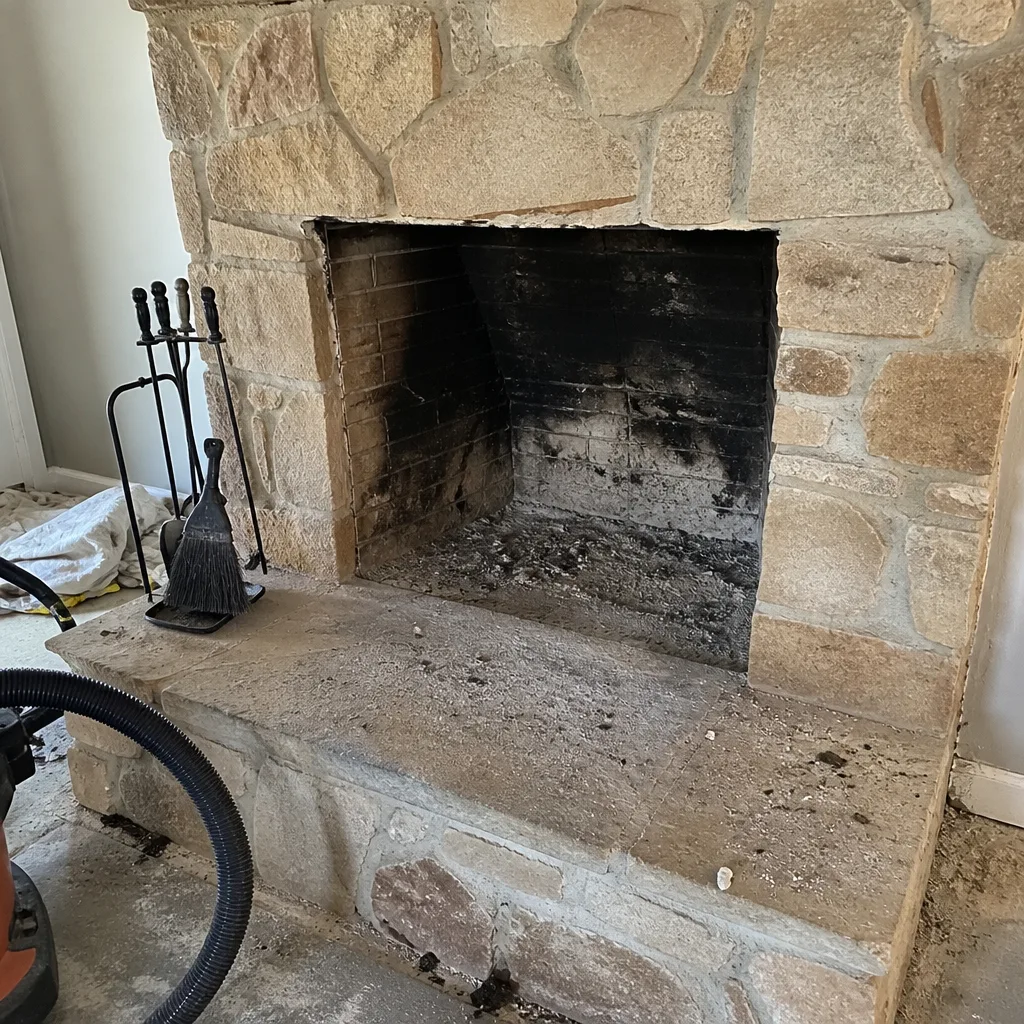
See the difference
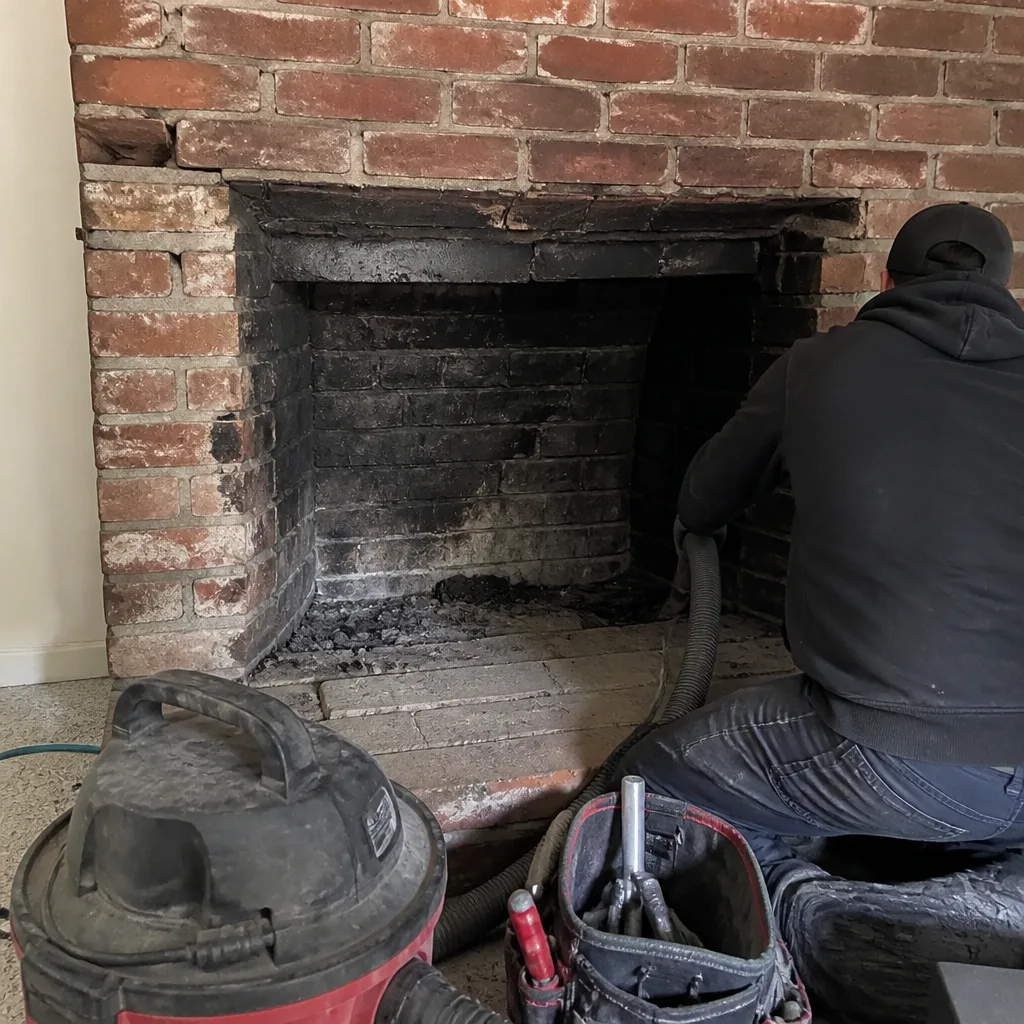 Before
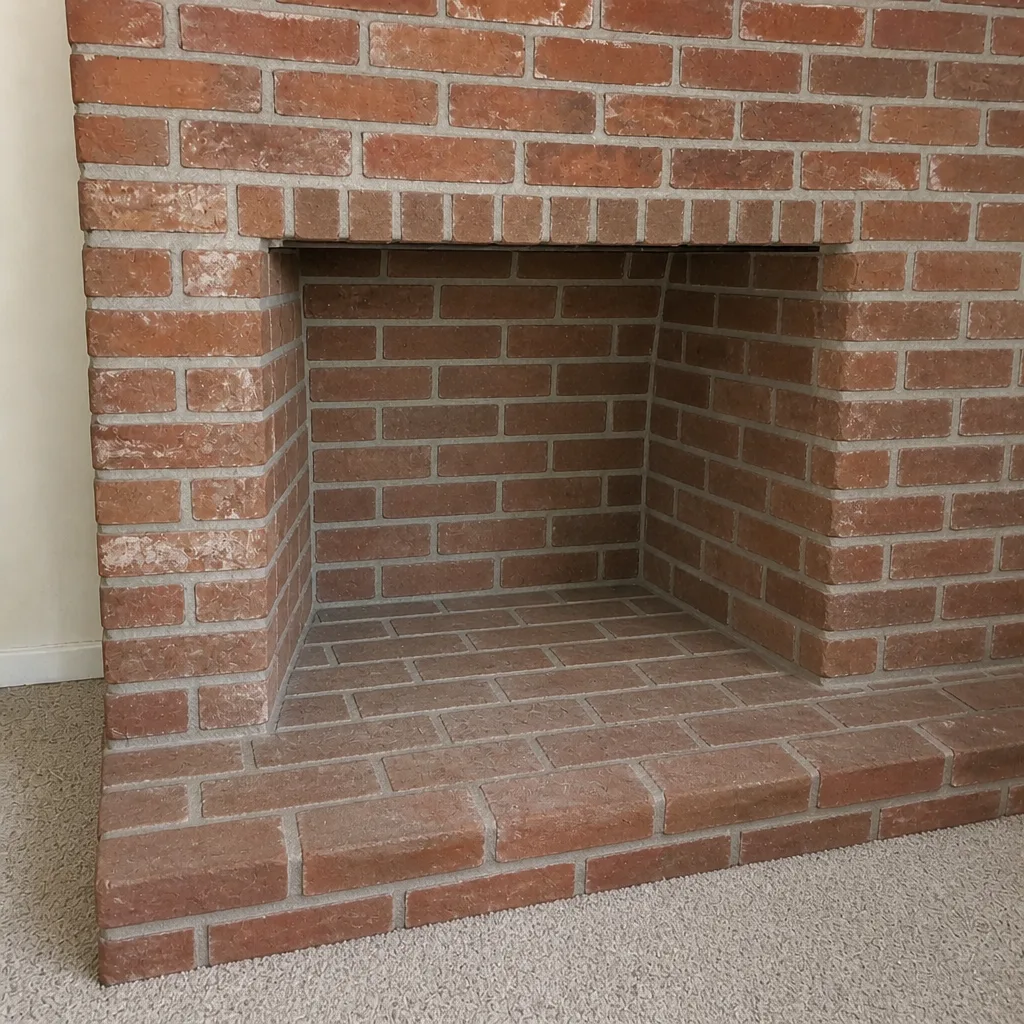 After
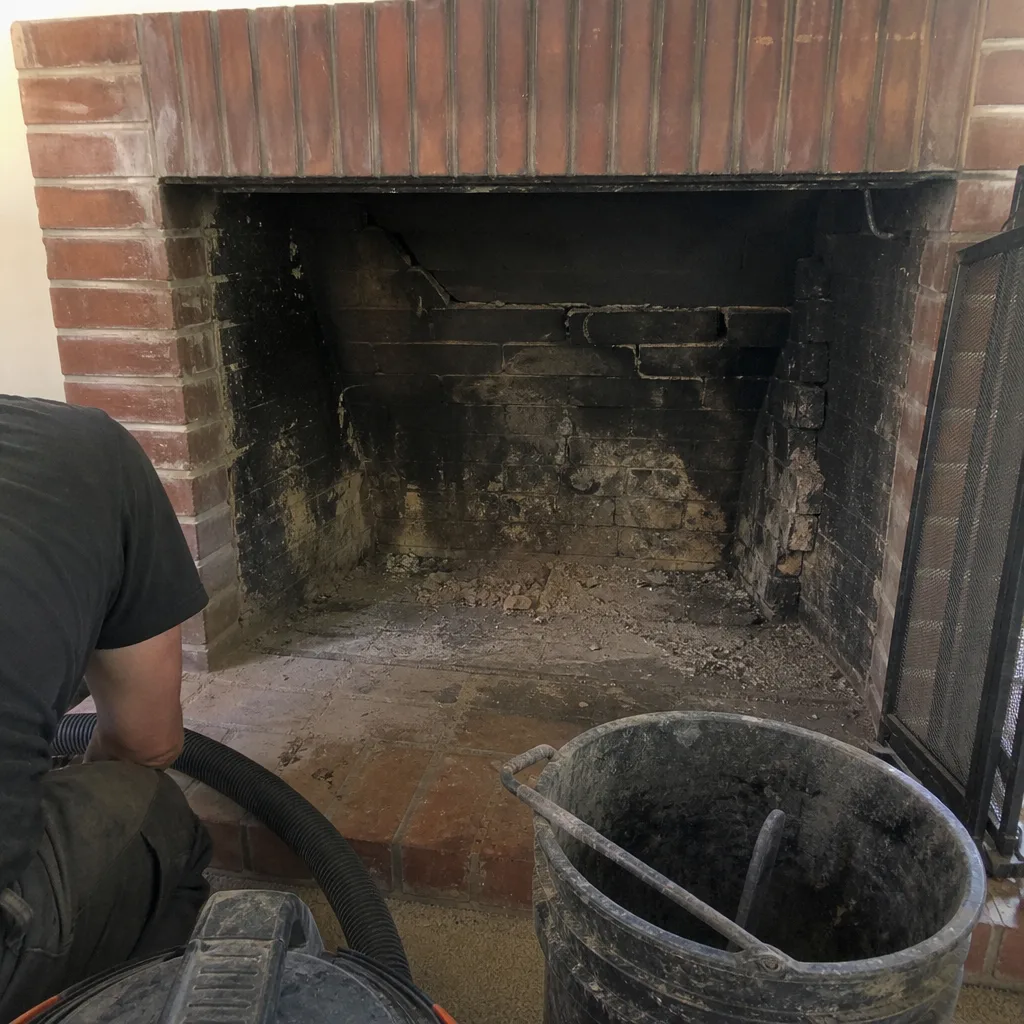 Before
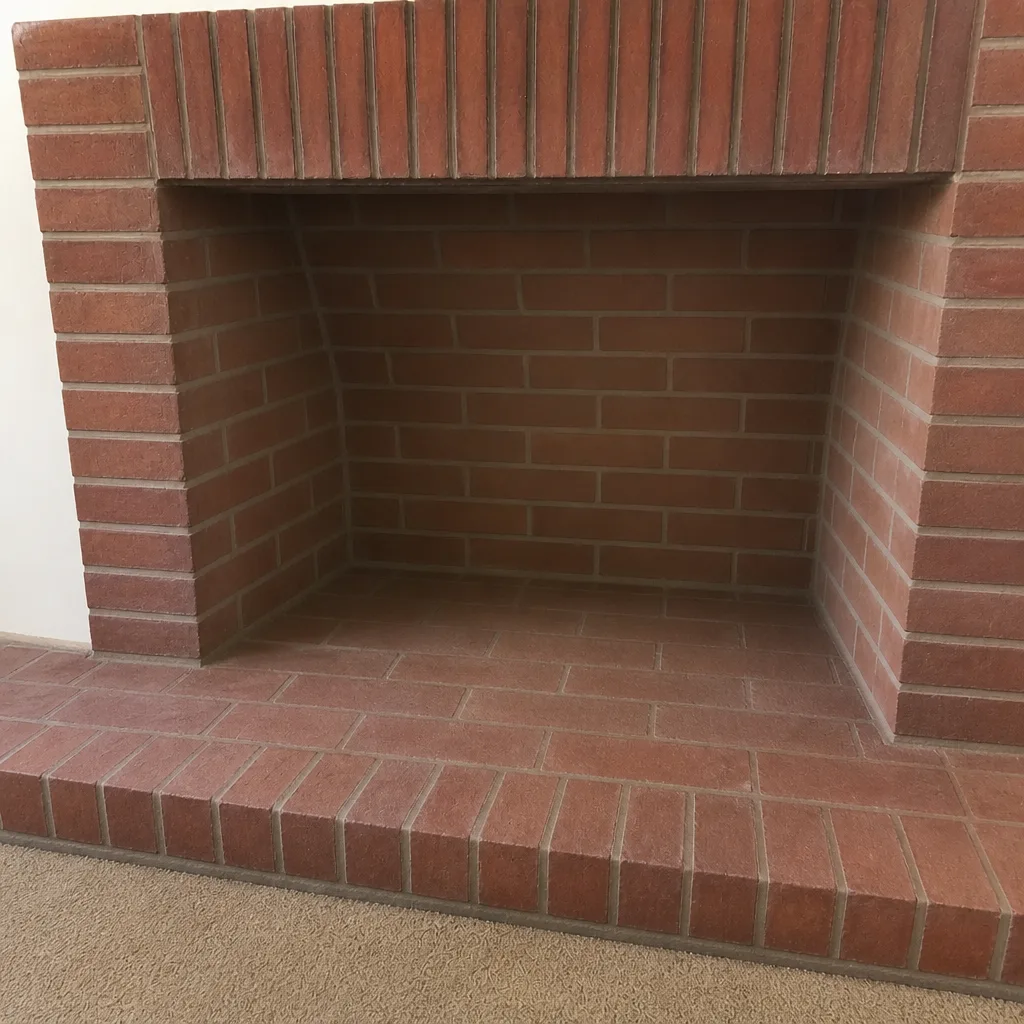 After
 Before
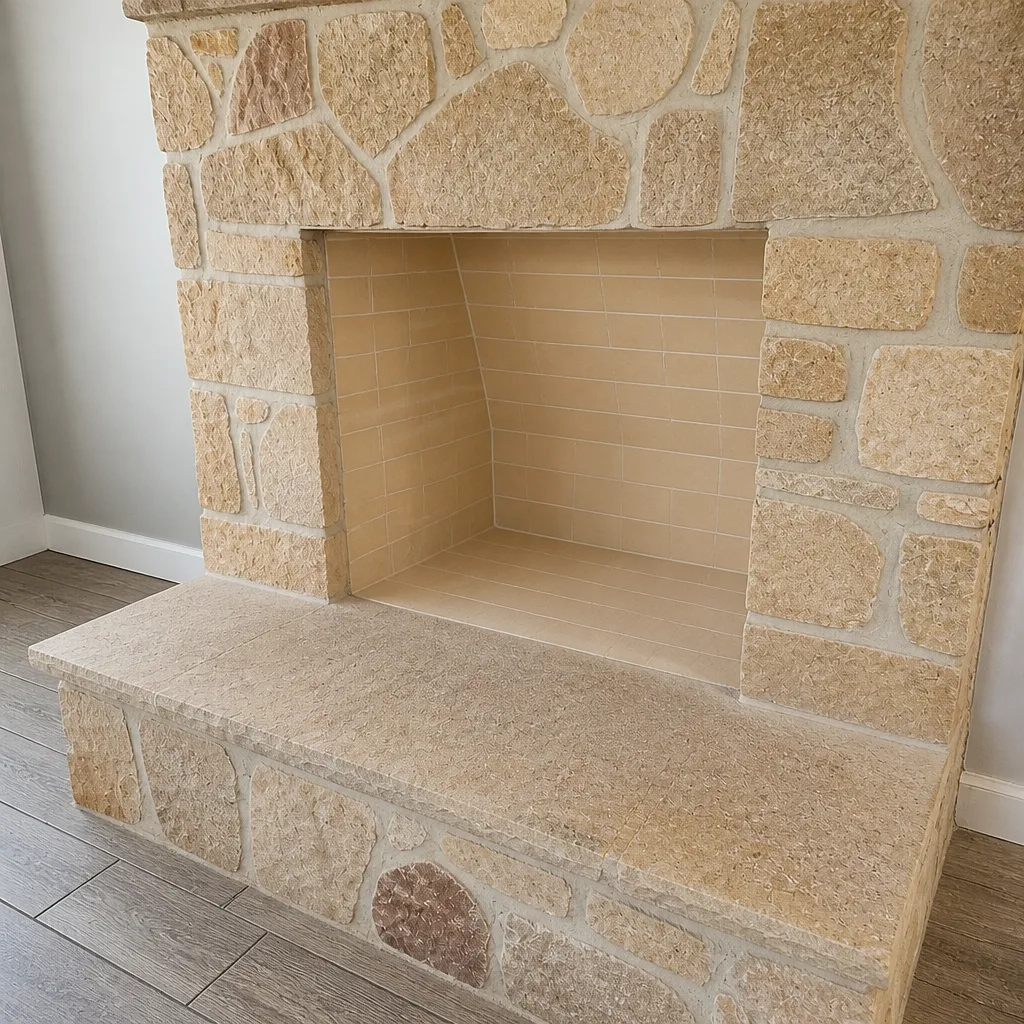 After
When to Call a Professional
Call a chimney professional when you’re overdue for your annual sweep, when you’ve noticed smoke rolling back into the room rather than up the flue, when you smell a strong creosote or smoky odor in the house between fires, when you see visible damage to the crown, cap, or masonry, or when you’re planning to use a fireplace that hasn’t been inspected since you moved in. If you’re not sure whether a symptom warrants a visit, call and ask. Chimney Sweep University Park offers free estimates in University Park. Call (877) 792-6047. We answer 24/7.
One thing worth being clear on: none of this is a scare tactic. A chimney that’s been maintained and inspected annually is a low-risk system. The problems start when fires are lit in a flue that nobody has looked at in years, and a single inspection closes that gap.
Frequently Asked Questions
Once a year for a wood-burning fireplace that sees regular use, and at the start of any season when the fireplace sat unused the year before. Gas appliances cycle through annual inspection differently and don’t produce creosote the way wood does, but a yearly look still applies. The general rule is annual inspection, and sweeping whenever the inspection finds enough buildup. Call (877) 792-6047 if you’re not sure where your system falls.
A CSIA Certified Chimney Sweep has passed a standardized exam covering chimney and venting science, code requirements, and inspection protocols. A regular sweep is anyone the company trained internally, which may be very thorough or may be nothing at all. The credential is the only way to tell from the outside. Ask specifically whether the technician coming to your home holds the CSIA CCS credential.
That depends entirely on what the inspection shows. HeatShield ceramic resurfacing restores a deteriorated liner by applying a new coating to the existing one, which can extend liner life without the cost and disruption of a full reline. A full DuraFlex liner replacement is what’s called for when the existing liner is structurally compromised beyond what resurfacing can repair. A legitimate contractor inspects first and recommends based on findings, which is why the written scope matters. If a recommendation arrives without a photograph, ask for one. Call (877) 792-6047 to book an inspection and find out which path applies to your flue.
Ask for a certificate of general liability insurance showing at least $1 million per occurrence, plus a certificate of workers’ compensation insurance for the crew. Confirm both are current and that the crew on your job is covered. If the company subcontracts the labor, ask for the subs’ coverage separately. A licensed and insured contractor will send all of this without hesitation.
Creosote builds up on the flue walls with every fire, and at a certain thickness it becomes flammable. A flue fire can damage the liner and, in the worst case, spread beyond the chimney chase. Skipping the sweep for one year is rarely a problem in a well-maintained system. Skipping it for several years, especially with regular use, is where the risk turns real. Call (877) 792-6047 to get back on a regular schedule.
Yes. Chimney Sweep University Park offers free estimates in University Park, scheduled per job by written scope. There’s no service-call fee and no trip charge. The estimate itself is free, and any repair we recommend follows an inspection with photographs you can see for yourself. Call (877) 792-6047. We answer 24/7. Fast dispatch from 7am to 7pm, Sunday through Friday.
The Bottom Line
Hiring a chimney contractor in University Park isn’t a price comparison. It’s a credential check followed by a scope check. Confirm the CSIA CCS credential, confirm the NFI credential if the company handles fireplace work, ask the five vetting questions before booking, and require a written inspection report and written scope with named materials before you approve any repair. Ask about insurance and get the certificates. If the company can do all of that and produce brand-specific work, you’ve found a contractor worth keeping. If any of those pieces are missing, keep calling. Call (877) 792-6047 for a free estimate in University Park. We answer 24/7. Fast dispatch from 7am to 7pm, Sunday through Friday.
Written by the team at Chimney Sweep University Park.