
Last updated November 24, 2026
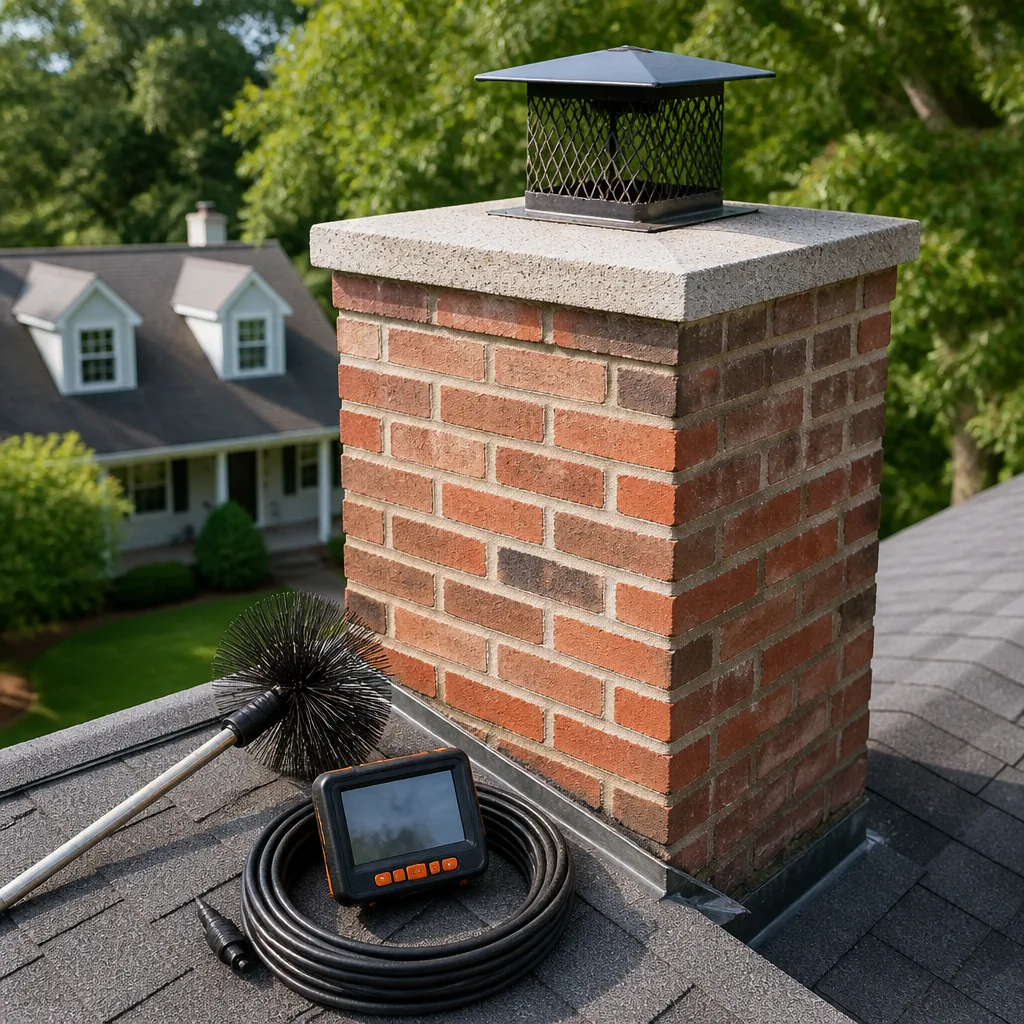 Sweep & inspection
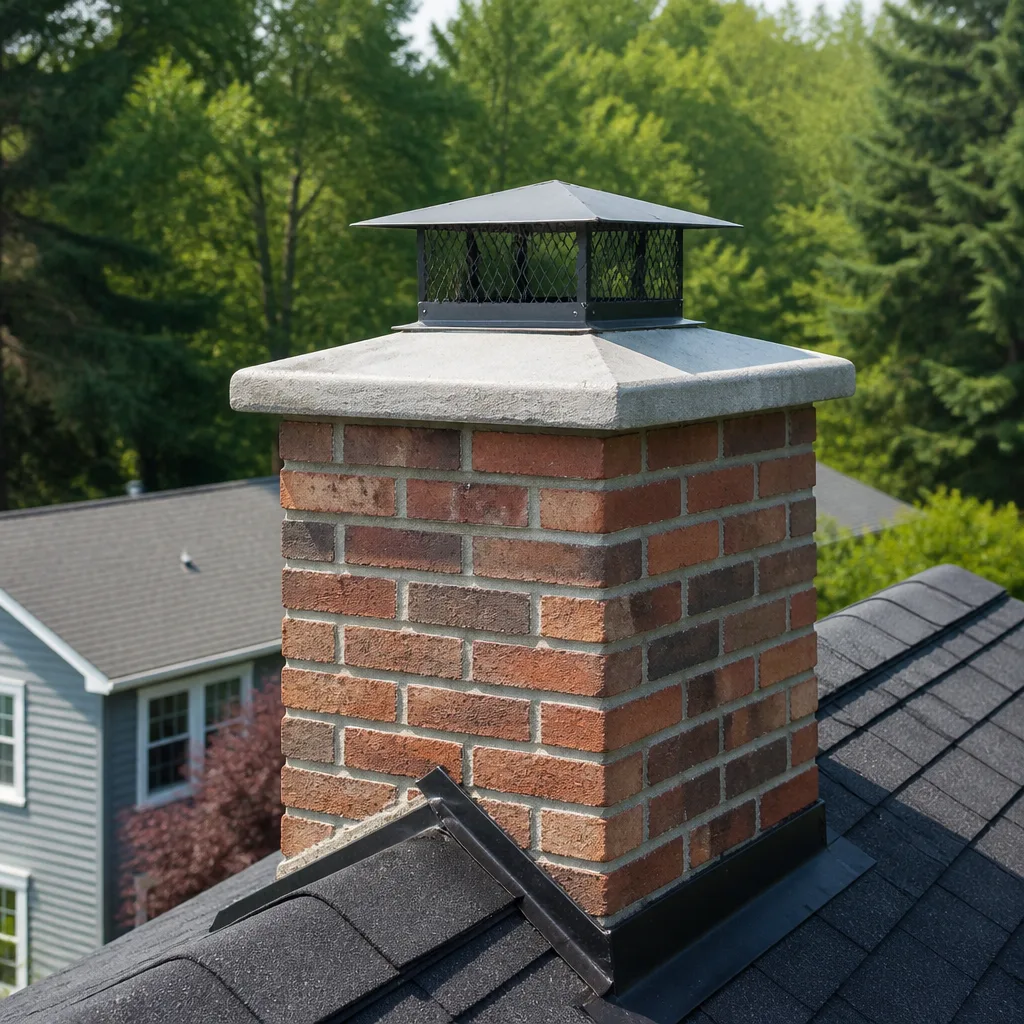 Caps & crowns
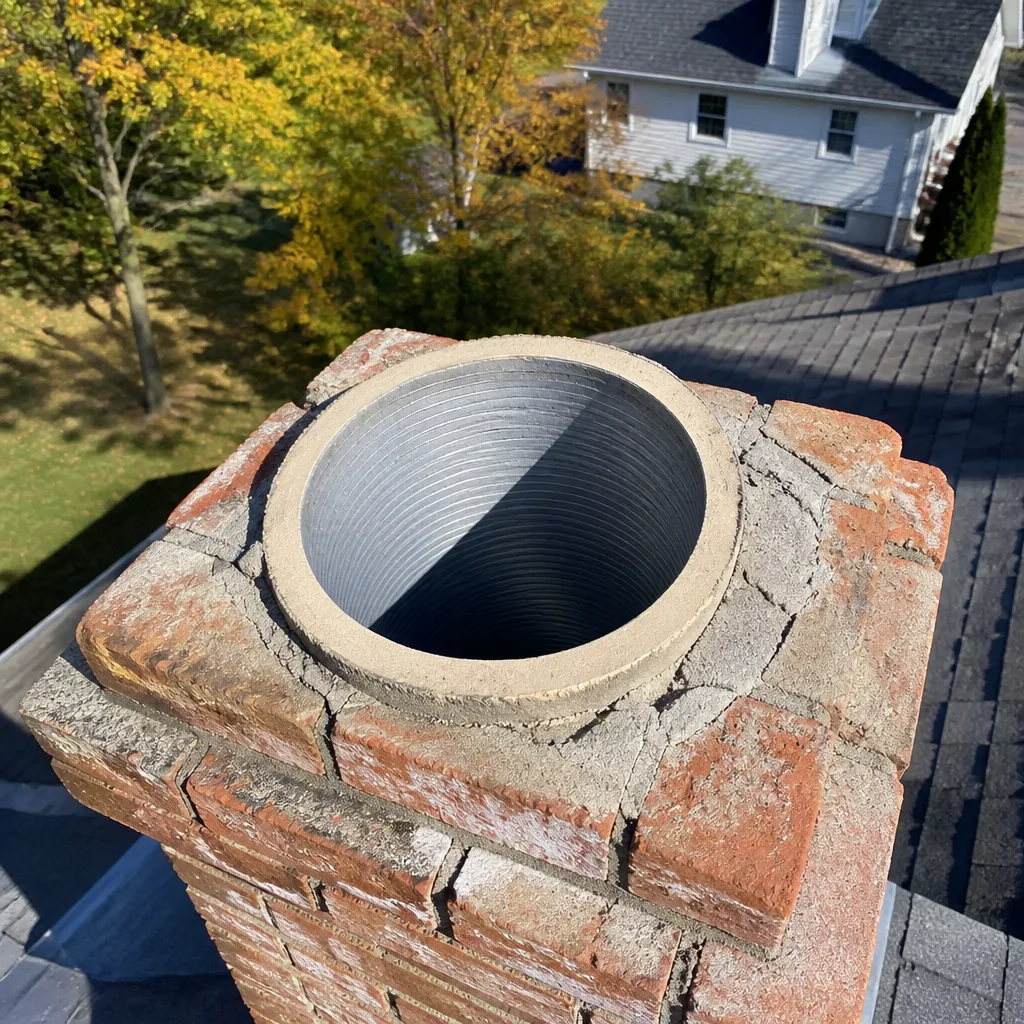 Flue relining
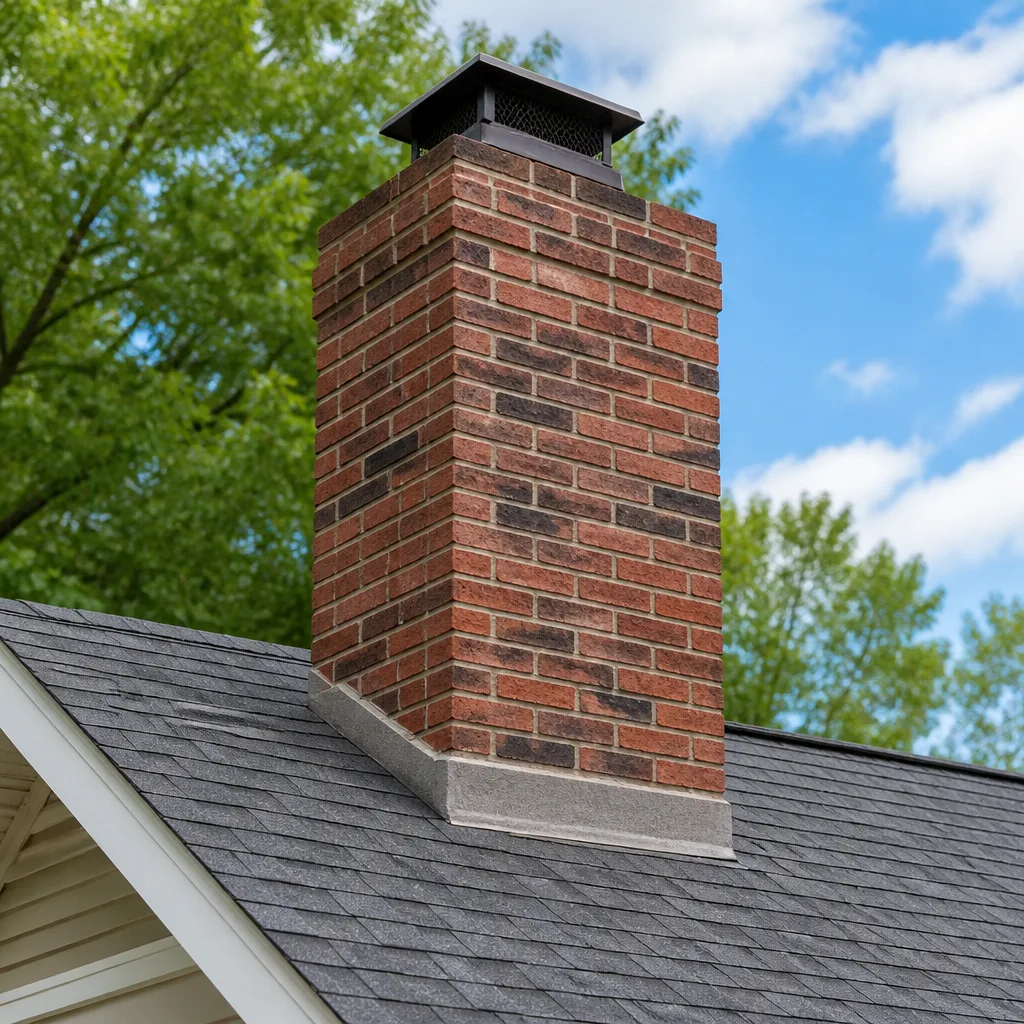 Masonry repair
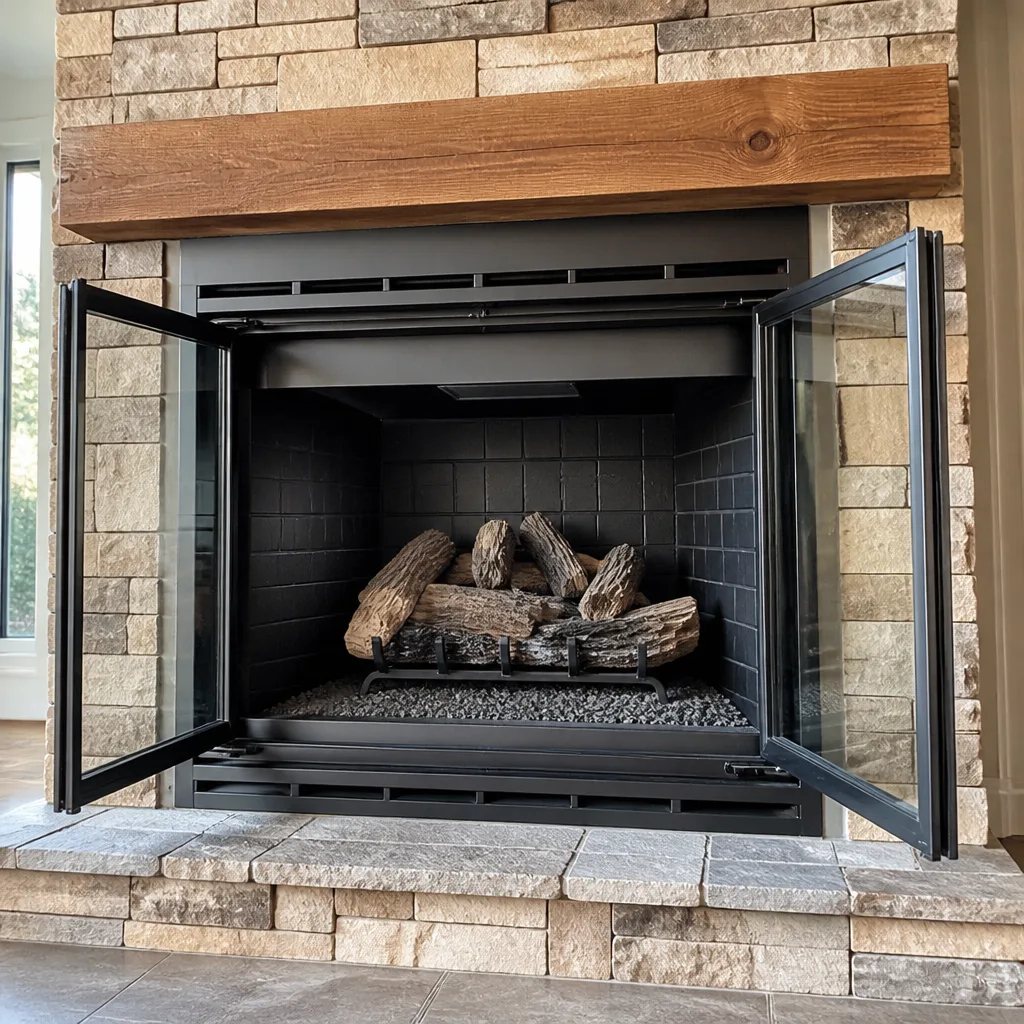 Gas fireplace service
Level 1 sweep and inspection to the NFPA 211 annual standard - flue, crown, cap, and flashing checked and photographed
Chimney sweep logs do not sweep chimneys. They loosen some creosote - which then falls where a brush and vacuum still have to collect it.
Chimney Cleaning Emergency Preparedness Guide for University Park Homes
Most University Park homeowners have a wildfire go-bag and know where the gas shutoff is. Very few have thought about what to do if the chimney itself becomes the emergency. A chimney fire doesn’t always announce itself with flames above the roofline. The slow-burn kind can smolder inside the flue at around 800°F, pushing heat through cracked tile into wall framing for twenty minutes before any detector activates. This guide covers the two types of chimney fires, the exact emergency steps, carbon monoxide preparedness, and the pre-season work that lowers the odds of any of it happening.
Quick Answer
Chimney emergency preparedness in University Park means three things: knowing how to shut a chimney fire down safely (close the damper, close the firebox doors, call 911 if you see exterior heat or smoke, never throw water into the firebox), placing carbon monoxide detectors near the fireplace and furnace flue penetrations, and getting an annual inspection so creosote and liner damage get caught before they become the emergency. A Level 2 inspection is required after any chimney fire before the fireplace goes back into use.
Styles & brands we work with
- Sweep & inspection
- Caps & crowns
- Flue relining
- Masonry repair
- Gas fireplace service
Table of Contents
- The Two Types of Chimney Fires and How to Tell Them Apart
- Emergency Protocol: What to Do in the First Five Minutes
- Carbon Monoxide Preparedness in Older University Park Homes
- After the Fire: Why a Level 2 Inspection Comes First
- Pre-Season Steps That Lower Your Emergency Risk
- Creosote: The Fuel You Can Measure
- Smoke and CO Detector Placement for Fireplace Homes
- Common Mistakes to Avoid
The Two Types of Chimney Fires and How to Tell Them Apart
Not all chimney fires behave the same way, and the difference matters for how you respond. The dramatic version gets all the attention; the quiet version does most of the damage. Here’s how each presents.
Explosive chimney fires
These are the ones people describe afterward with a shaking voice. A sudden ignition of accumulated creosote sends a deep roaring up the flue, like a freight train passing overhead. You may hear popping or crackling that doesn’t sound like normal fire noise. Visible sparks or flames can appear above the chimney top. The flue and the surrounding masonry heat up fast. Explosive fires are unmistakable when they happen, which is their one mercy: nobody ignores one.
Slow-burn chimney fires
The more dangerous kind burns quietly, sometimes without flame visible anywhere. Clues are subtler:
- A strong, unusual odor that doesn’t match normal wood smoke
- The chimney exterior or the wall around the fireplace feeling hot to the touch
- A low rumbling that comes and goes
- Creosote flakes or pieces appearing on the roof or in the yard
- Warped or discolored damper components discovered later
Because there may be no visible flame and no alarm, a slow-burn fire can transfer heat through cracked flue tile into framing for twenty minutes or more. In older University Park homes, where much of the housing stock predates modern liner standards, that path from flue to framing is exactly what we’re inspecting for during every annual visit.
Emergency Protocol: What to Do in the First Five Minutes
If you suspect a chimney fire, the sequence below is the one to follow. Print it, put it on the fridge, and rehearse it once so nobody is reading instructions mid-crisis.
- Alert everyone in the house and get them ready to leave. If there’s any question about structural smoke inside the walls or attic, evacuate first and call 911 from outside.
- Close the damper if it’s safe to reach. Cutting the air supply through the chimney starves the fire of oxygen. If the firebox is too hot to approach, don’t force it.
- Close the firebox doors or the screen. Same principle: less oxygen, less fire.
- Call 911 if you see exterior heat, sparks, smoke above the roofline, or smoke coming through walls or the attic. Those signs mean the fire is no longer contained to the flue.
- Do not throw water into the firebox. Water on a creosote fire can produce a violent steam expansion and can crack hot masonry.
- Get out and stay out if structural smoke is present. No possessions are worth going back in for.
- Don’t reuse the fireplace until a Level 2 inspection has been done. More on why below.
One thing we tell every University Park homeowner: a chimney fire that appears to go out on its own is not a chimney fire that ended safely. It’s a chimney fire that did its damage quietly. The inspection afterward is not optional.
Carbon Monoxide Preparedness in Older University Park Homes
Carbon monoxide is the other chimney emergency, and it’s the one that doesn’t wake anyone up. CO is colorless and odorless, and a compromised flue or a backdrafting damper can feed it into the living space without a single visible sign.
Chimney fire risk gets the headlines, but in our experience the chronic CO infiltration cases in older University Park housing almost always trace back to one of two things: a shared flue (where two appliances vent into one path), or a liner that has cracked, separated, or corroded past the point where it seals combustion gases from the surrounding structure. Gas fireplaces vent through liners too, and those liners age.
Where CO detectors belong in a fireplace home
- On every level of the home, including any basement or converted space.
- Outside sleeping areas, so an alarm reaches people who are asleep.
- Near the fireplace, but not so close that normal startup smoke sets it off. A few feet away and at breathing height is a sensible compromise.
- Near the furnace flue penetration, typically in a utility area or hallway ceiling.
Test each detector monthly and replace the units on the manufacturer’s schedule. A CO alarm that’s ten years old may still chirp and still read voltage, but the sensor is done. When we do a full-system inspection, we check the flue path and note any signs of backdrafting that a detector alone can’t show you. Our Chimney Sweep University Park page lays out what an annual visit covers.
After the Fire: Why a Level 2 Inspection Comes First
NFPA 211 requires a Level 2 inspection after any chimney fire before the appliance is used again. That’s not a suggestion or a sales tactic. It’s the standard, and it exists because the damage from a chimney fire is often invisible from the firebox.
A Level 2 inspection uses a camera run through the flue to look at the liner from the inside. After a fire, our technicians are checking for specific damage patterns:
- Tile fracture: Hairline cracks in clay flue tile that open up under heat and let gases escape into the surrounding structure.
- Mortar separation: Joints between tile sections that have pulled apart, creating a path for hot gas and CO.
- Liner distortion: In metal liners, warping or buckling that compromises the seal.
- Creosote glazing: The fire may have converted creosote into a harder, denser deposit that needs different treatment than a standard sweep.
The camera doesn’t lie, and it doesn’t upsell. We show you the footage and explain what we see. If the flue needs restoration, HeatShield ceramic resurfacing can often rebuild a damaged liner from the inside without a full tear-out. When a full reline is the right answer, DuraFlex flexible liner systems handle the offset and irregular flues common in older University Park homes. Either way, the recommendation comes after the inspection, not before. That’s what “inspect first, recommend honestly” means to us.
Pre-Season Steps That Lower Your Emergency Risk
Most chimney emergencies are preventable with work done before the first burn of the season. Here’s the checklist we walk through with University Park homeowners each year.
- Schedule the annual sweep and inspection. A clean flue with no hidden cracks is the baseline. Everything else builds on it.
- Treat Stage 2 creosote before it becomes Stage 3. Stage 2 creosote is that hardened, flaky, tar-like deposit that a brush struggles with. Catching it early is far easier than removing glazed Stage 3 deposits that have fused to the flue wall.
- Install a chimney cap. A quality cap keeps rain, leaves, and nesting debris out of the flue, which prevents the kind of ignition source that turns a routine creosote load into a fire. Gelco and Olympia Chimney caps are the hardware we lean on for this.
- Replace the damper gasket. A worn gasket allows air to leak past a closed damper, which is one of the ways CO backdrafts into a house during a cold snap. It’s a small part with a big job.
- Check the crown. A cracked crown lets water into the masonry, which slowly degrades the structure and can separate the liner from the flue wall over time. Crown repair is part of full-system care.
- Test every smoke and CO detector. Replace batteries and replace any unit past its manufacturer’s service life.
- Review the emergency protocol with the household. Everyone should know where the damper handle is and what to do if it’s too hot to reach.
If you want the routine version of all this, a chimney sweep is where it starts. If the inspection turns up damage, the cap and crown work lives on our chimney cap & crown page. And if it’s the firebox itself that needs attention, fireplace repair is the next step.
Creosote: The Fuel You Can Measure
Every chimney fire needs fuel, and in a wood-burning chimney that fuel is creosote. Creosote forms when wood smoke cools on its way up the flue and condenses on the walls. The slower and cooler the burn, the more it builds. Wet wood, smoldering overnight fires, and a flue that’s oversized for the firebox all make it worse.
The three stages worth knowing
- Stage 1: Soot and light flaky deposits. A routine sweep removes it.
- Stage 2: Hardened, tar-like flakes that cling to the flue wall. Brushable, but it takes real work and the right tools.
- Stage 3: Glazed, baked-on creosote that has essentially fused to the liner. Highly combustible and very hard to remove. This is the stage where we start talking about restoration or relining.
Burning dry, seasoned wood and avoiding long smoldering burns are the two habits that most reliably slow creosote buildup. But habits only go so far. The only way to know what stage you’re at is an inspection, and the only safe way to remove Stage 2 or Stage 3 deposits is professional equipment. That’s why the annual visit matters more than any single repair. It keeps you from finding out about Stage 3 the hard way.
A note on “sweeping the chimney yourself” with a brush and a YouTube tutorial: it’s fine for light soot in a straight flue, but it won’t remove Stage 2 or Stage 3 creosote, and it won’t tell you whether the liner is cracked. The inspection is the point.
Smoke and CO Detector Placement for Fireplace Homes
Most University Park homes have smoke detectors in the usual spots. Very few have them where a chimney emergency would actually show up first. Here’s where we’d put them in a house with a wood-burning or gas fireplace.
- Smoke detector in the room with the fireplace, mounted on the ceiling several feet away from the hearth so normal startup smoke doesn’t trigger it.
- Smoke detector in the attic, if accessible. Slow-burn fires that reach framing often show up there before they show up anywhere else.
- CO detector on each level, with an emphasis on the level where the bedrooms are.
- CO detector in the utility area near the furnace and water heater flue penetration.
- CO detector near the fireplace itself at breathing height, a few feet from the hearth.
Detectors are cheap and they’re the only warning you get for a slow-burn fire or a CO event. The thing they can’t do is tell you the flue is cracked before the alarm goes off. That’s the inspection’s job.
Common Mistakes to Avoid
- Assuming a chimney fire that “went out on its own” is fine. A slow-burn fire can crack tile and separate mortar without ever being seen. Reuse without a Level 2 inspection is how a small fire becomes a structural problem.
- Throwing water into a hot firebox. It can cause violent steam expansion and crack masonry. Close the damper and the firebox doors instead, and call 911 if there are exterior signs.
- Skipping the pre-season sweep because “it worked fine last year.” Creosote builds whether or not you notice. A flue that passed last season can be at Stage 2 by the time the first burn of the new one happens.
- Running a fireplace without a cap. An open chimney top is an invitation for leaves, birds, and rain, and a debris-clogged flue is a fire waiting for a spark.
- Ignoring a cold-snap draft or a faint smell near a gas fireplace. Those are the symptoms of a backdrafting damper or a failing gasket, and they’re the common CO infiltration path in older University Park homes.
- Waiting for a detector to go off before getting an inspection. The detector is the backup plan, not the first line. An annual inspection catches the cracked tile before the alarm has any reason to fire.
- Letting a single contractor do the sweep and the repair referral. If the person who sweeps also sells the reline without showing you camera footage, you have no way to verify the recommendation. Ask to see the flue from the inside.
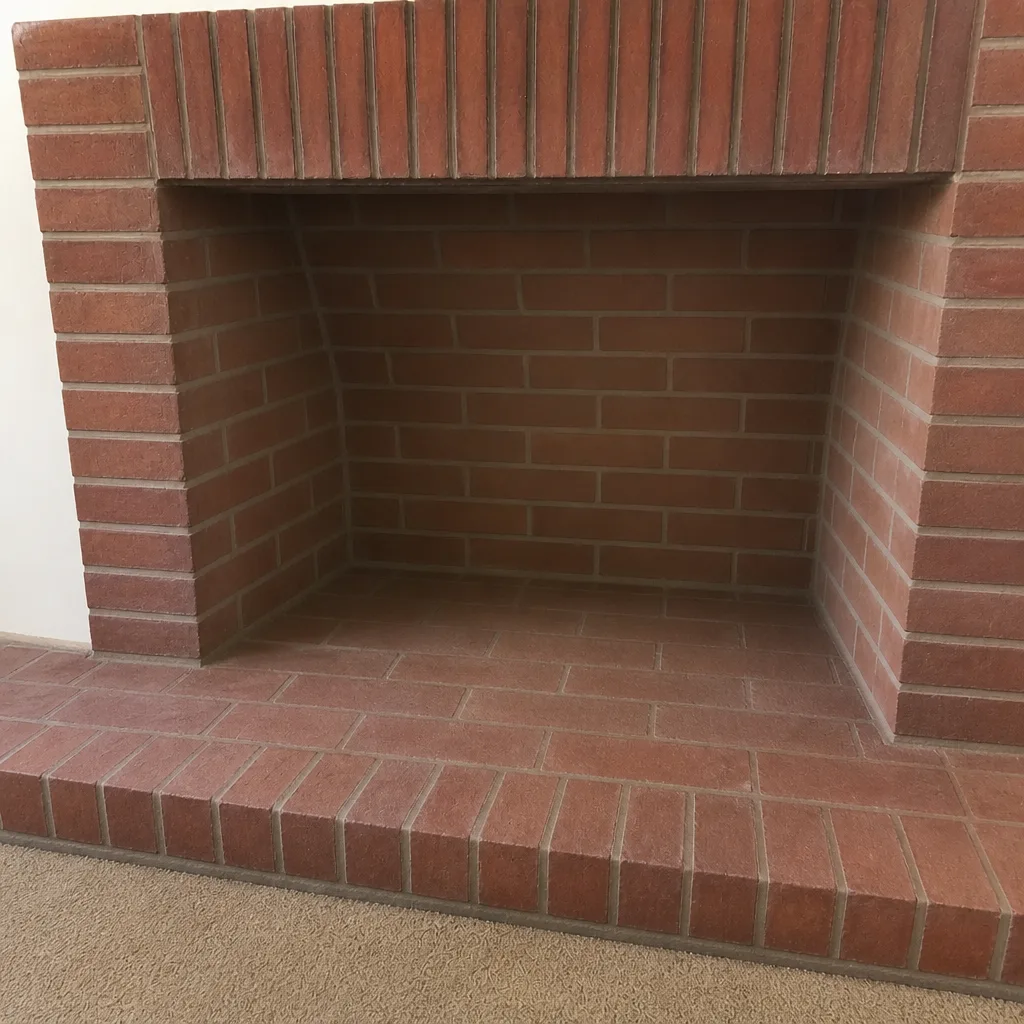
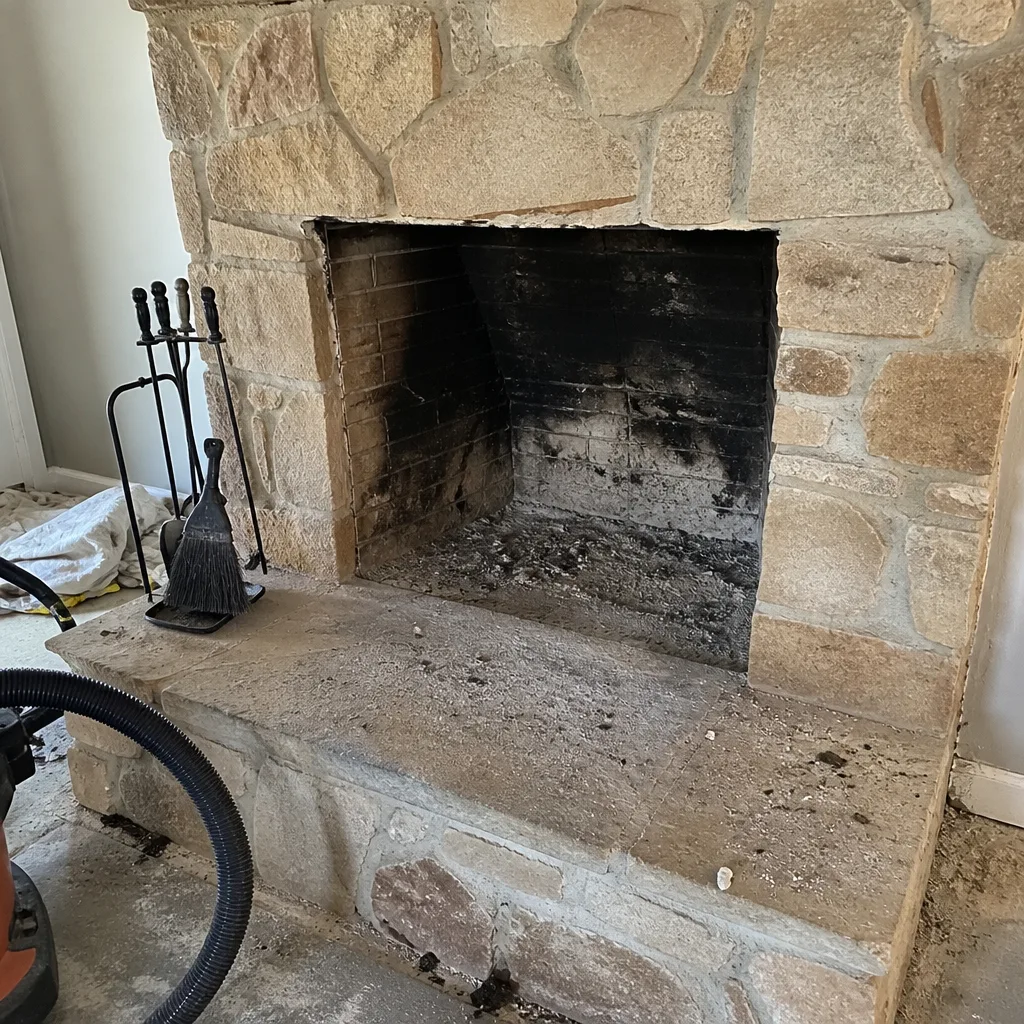
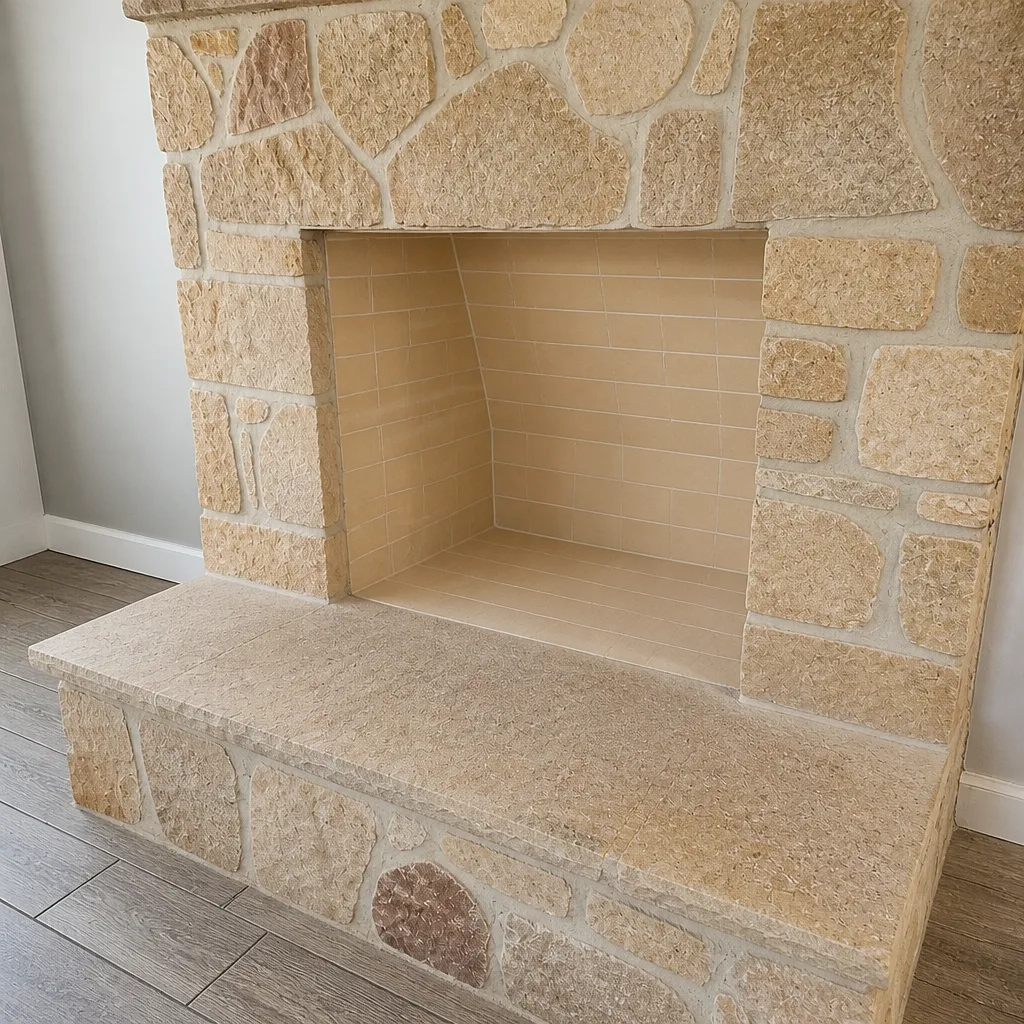
See the difference
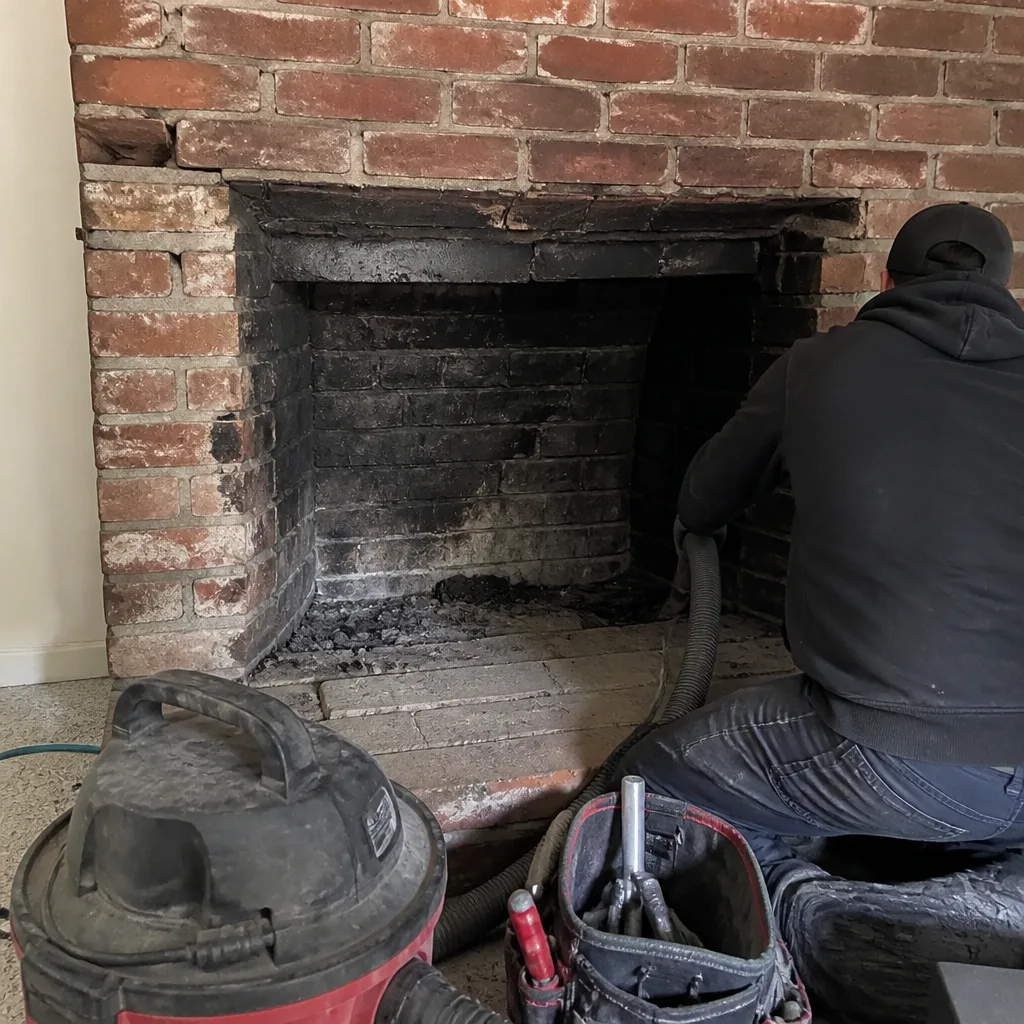 Before
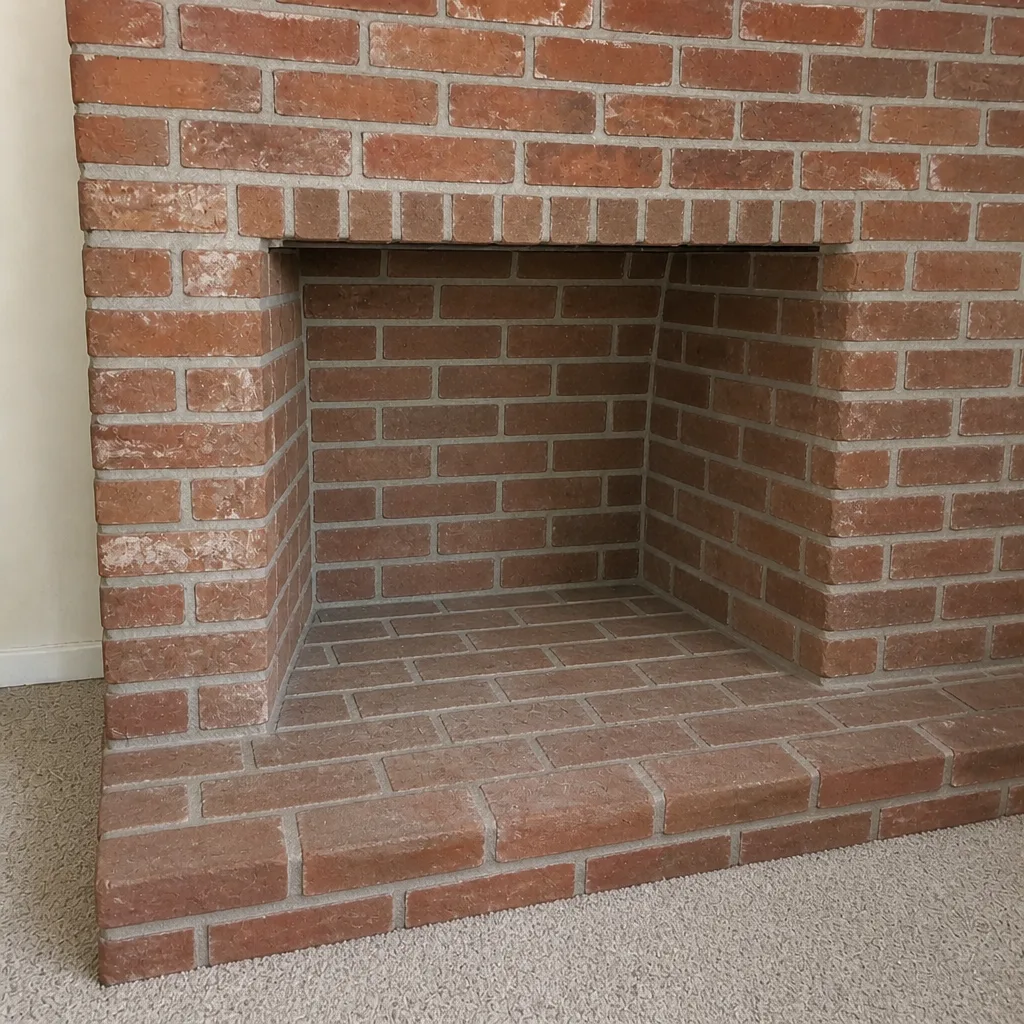 After
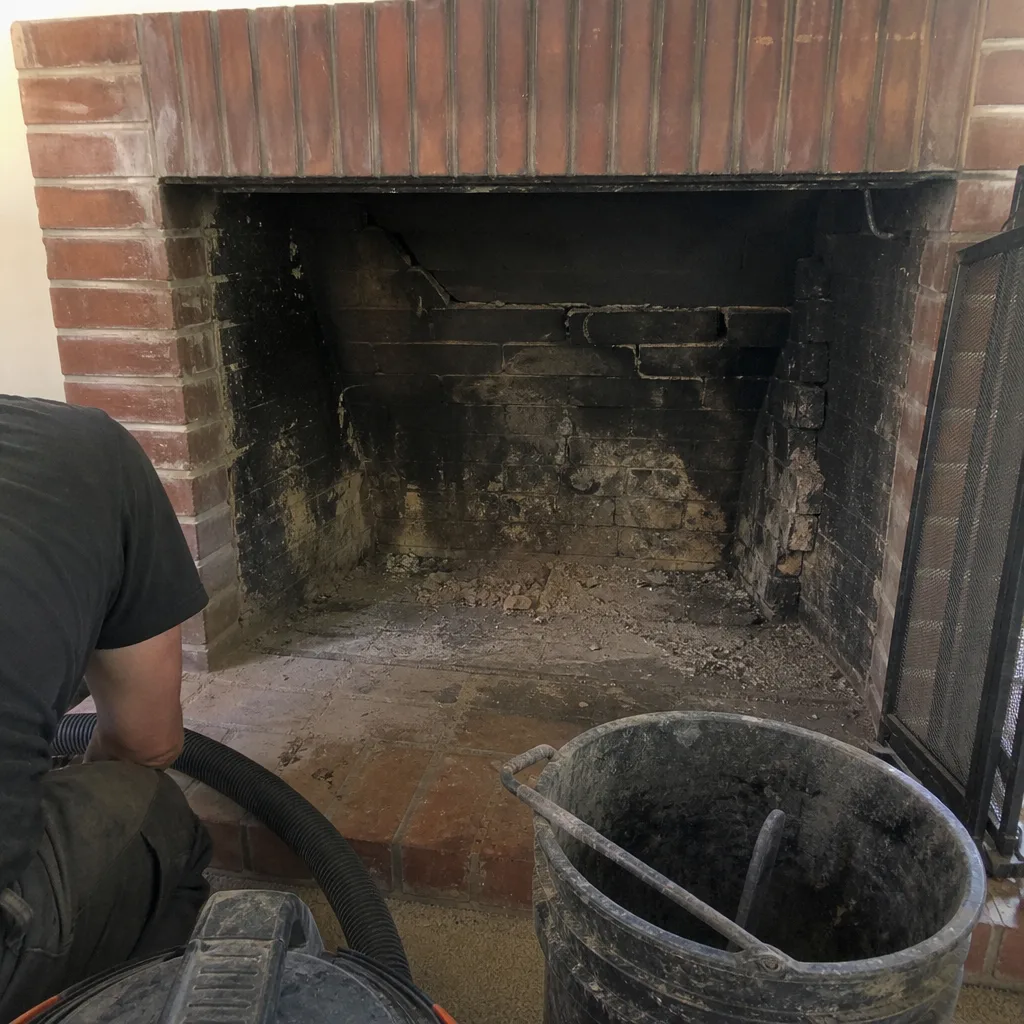 Before
 After
 Before
 After
When to Call a Professional
Some chimney work is routine. Some of it is genuinely dangerous, and we don’t pretend otherwise. Call a professional immediately if any of the following is true:
- You’ve had a chimney fire, explosive or slow-burn, and the fireplace hasn’t been inspected since.
- Your CO detector has gone off and you can’t find another source.
- You smell a strong, unusual odor from the fireplace even when it isn’t burning.
- The wall around the fireplace or the chimney exterior is hot when the fireplace is running.
- You see cracked or missing mortar in the chimney crown or masonry.
- You haven’t had an inspection in over a year and the fireplace gets regular use.
Chimney Sweep University Park offers free estimates in University Park. Call (877) 792-6047. We answer 24/7. Fast dispatch from 7am to 7pm, Sunday through Friday. Our technicians have up to 8 years of experience and handle sweeping, inspection, fireplace repair, chimney repair, and cap and crown work under one roof, using professional-grade materials from DuraFlex, HeatShield, Gelco, and Olympia Chimney.
Frequently Asked Questions
An explosive fire is unmistakable: a loud roaring, popping, sparks above the roofline, or flames at the top of the chimney. A slow-burn fire may show only subtle signs: an unusual odor, a hot chimney exterior, a low rumbling, or creosote flakes on the roof. If you suspect either kind, treat the fireplace as out of service until a Level 2 inspection confirms the flue is sound. Call (877) 792-6047 for an inspection quote.
Yes. NFPA 211 requires a Level 2 inspection after any chimney fire before the appliance is reused, and the reason is simple: the damage is often invisible from the firebox. Cracks in tile, separated mortar joints, and distorted liners don’t show up from the front. The camera does. Call (877) 792-6047 to book one. Estimates are free.
On every level, outside sleeping areas, near the furnace flue penetration, and a few feet from the fireplace at breathing height. In older University Park homes, a shared flue or a damaged liner is the most common pathway for chronic CO infiltration, and a detector near those penetrations gives you the earliest warning. If one goes off, evacuate and call 911, then call us for an inspection.
A Level 1 is a visual check of the accessible parts of the chimney during a routine annual visit. A Level 2 adds a camera run through the flue and is triggered by a chimney fire, a change in fuel type, a new appliance, or a real estate transaction. After an emergency, it’s the Level 2 that tells you whether the flue is safe. Call (877) 792-6047 to get on the schedule.
A cap reduces the risk by keeping rain, leaves, and nesting debris out of the flue, which removes an ignition source that turns creosote buildup into a fire. It doesn’t remove creosote, so it works alongside the annual sweep, not in place of it. We install Gelco and Olympia Chimney caps and match the cap to the flue opening. Call (877) 792-6047 for a cap and crown assessment.
Treat it as a potential CO or gas leak: open windows, get everyone outside, and call 911 or your gas utility from outside. Don’t test it by running the fireplace. Once you’re safe, call us to inspect the flue and the damper gasket, because a worn gasket or a failing liner seal is a common source of backdrafting in older homes. We answer 24/7 at (877) 792-6047.
The Bottom Line
University Park homes are well prepared for the emergencies people talk about. Chimney fires and CO events are quieter, and they’re more preventable than most homeowners realize. The playbook is short: know the two types of chimney fire and how to shut one down, put CO detectors where the flue actually vents, and get the annual inspection that catches Stage 2 creosote and cracked tile before they become the emergency. If something has already happened, a Level 2 inspection comes before any reuse. One company, every part of the chimney, from the sweep to the cap and crown. Call (877) 792-6047 for a free estimate. We answer 24/7. Fast dispatch from 7am to 7pm, Sunday through Friday.
Written by the team at Chimney Sweep University Park.