
Last updated November 24, 2026
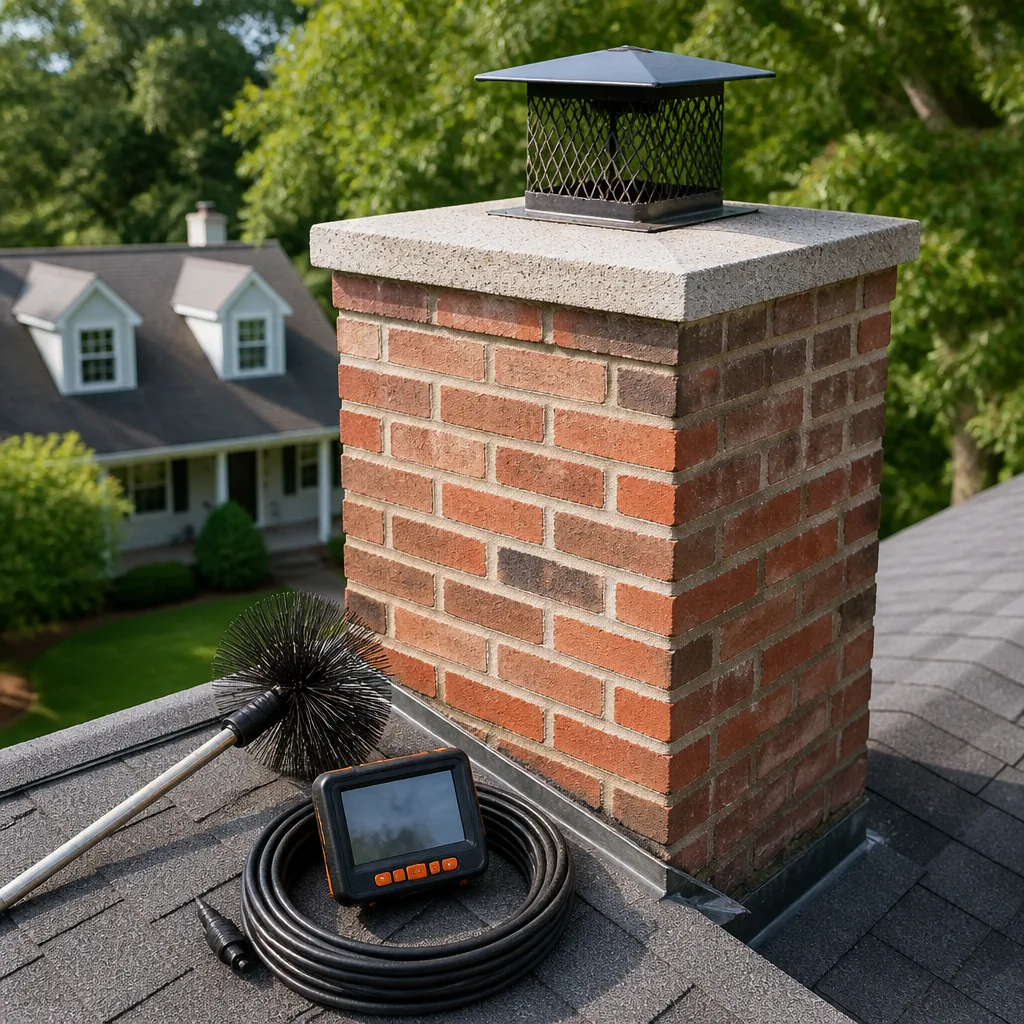 Sweep & inspection
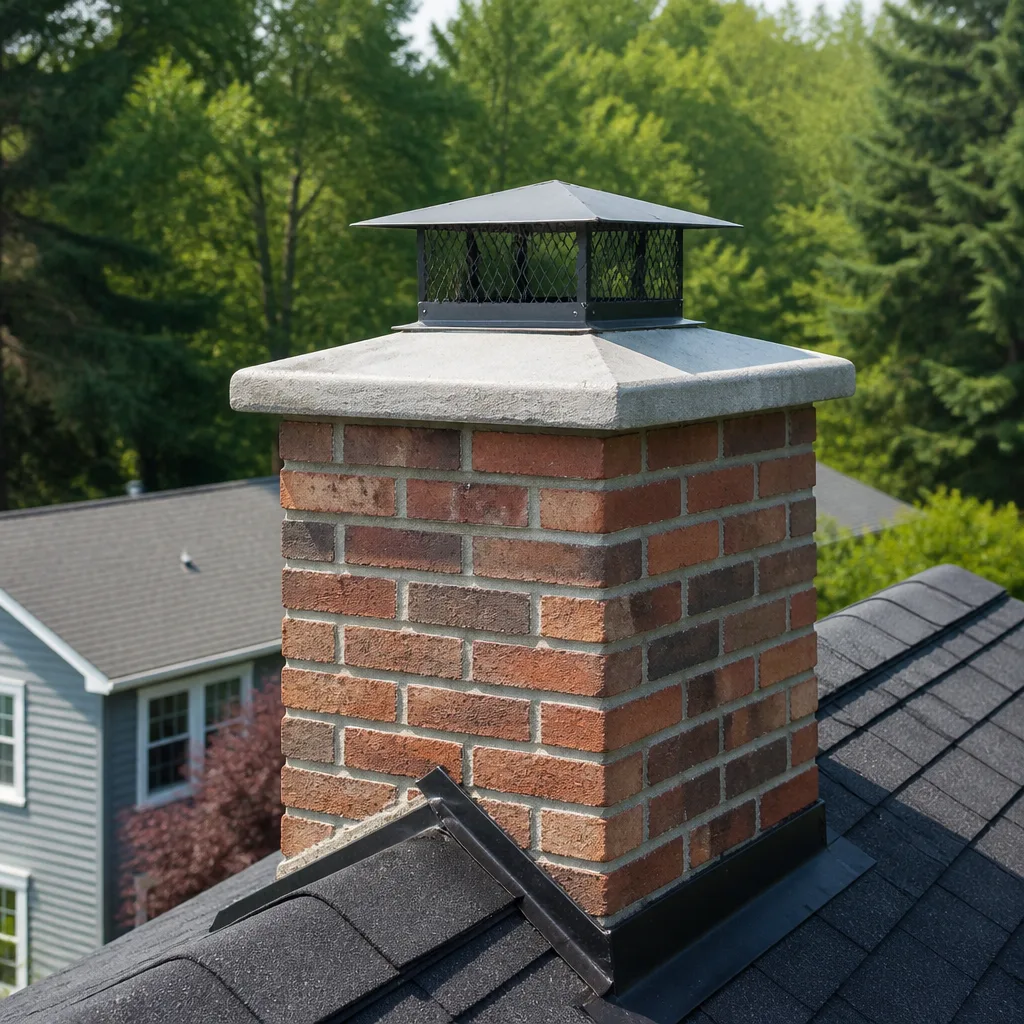 Caps & crowns
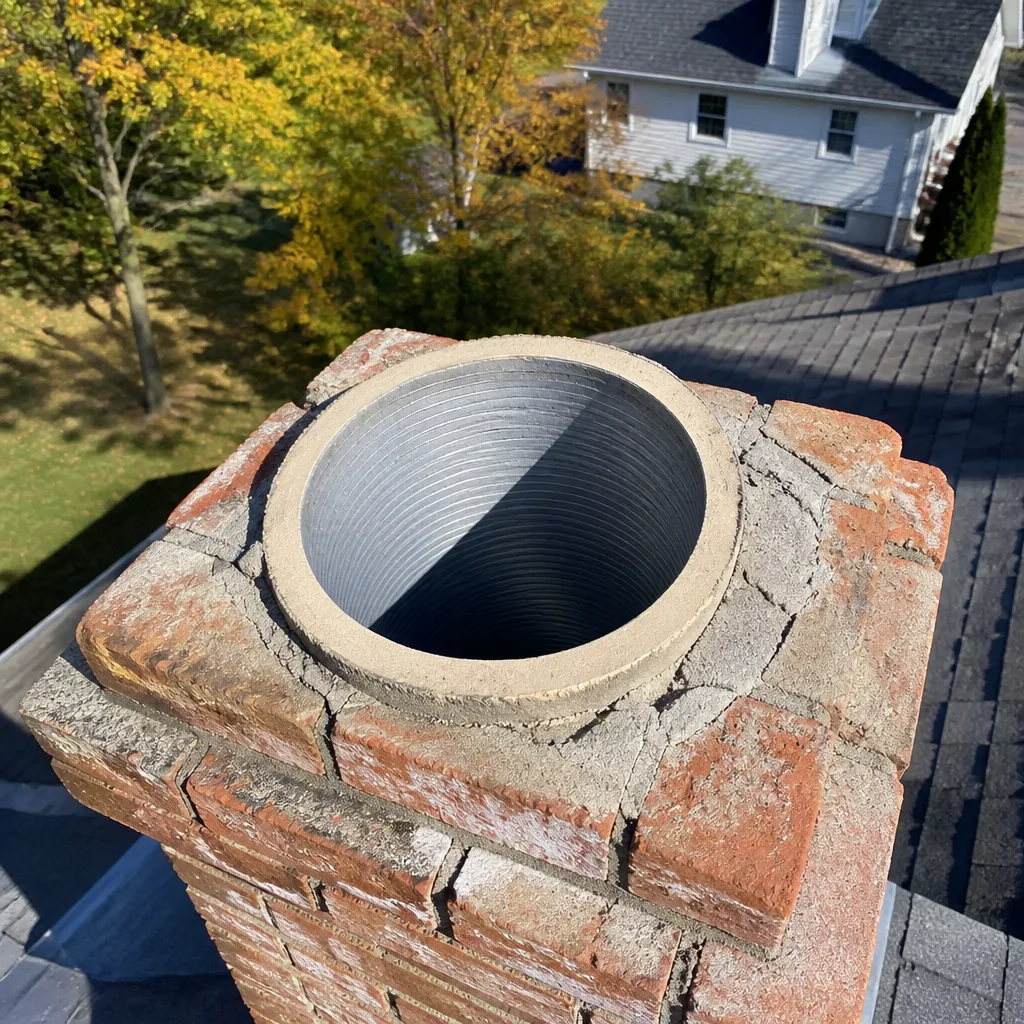 Flue relining
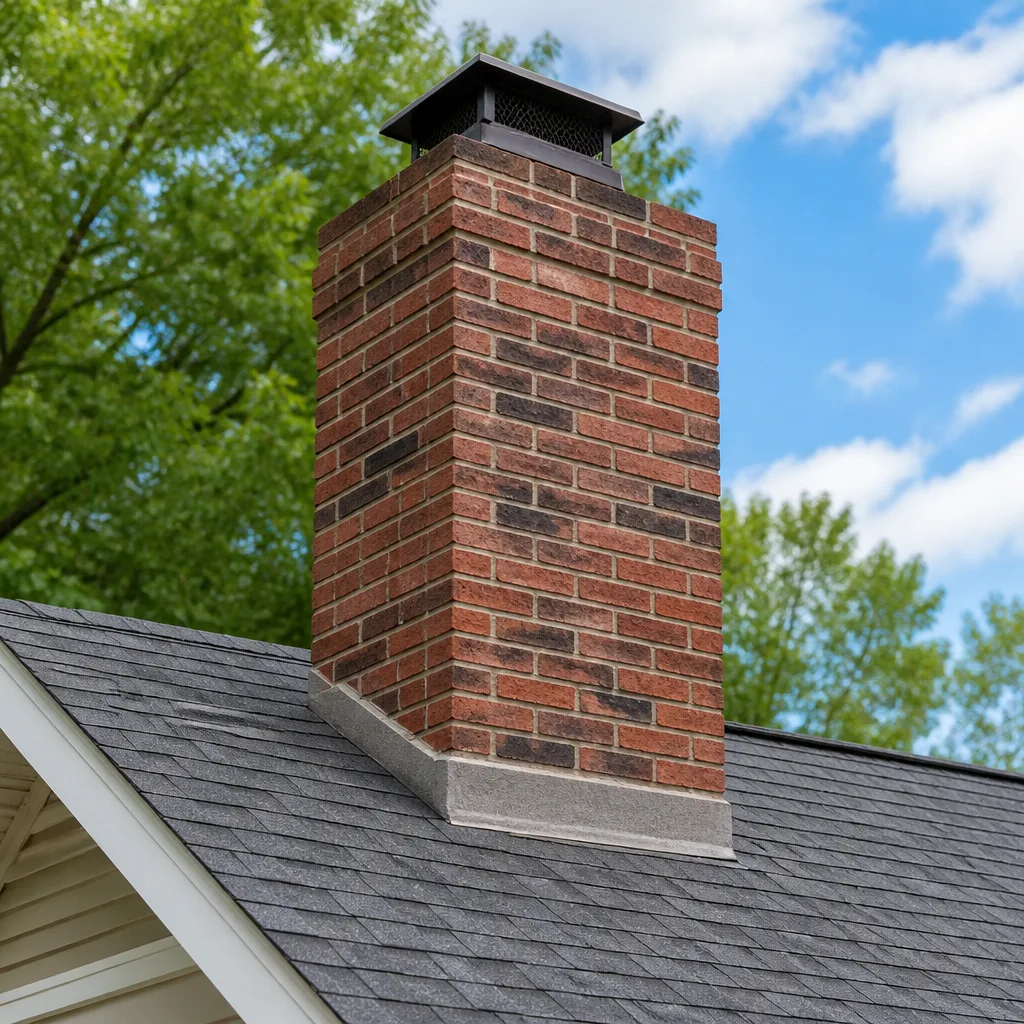 Masonry repair
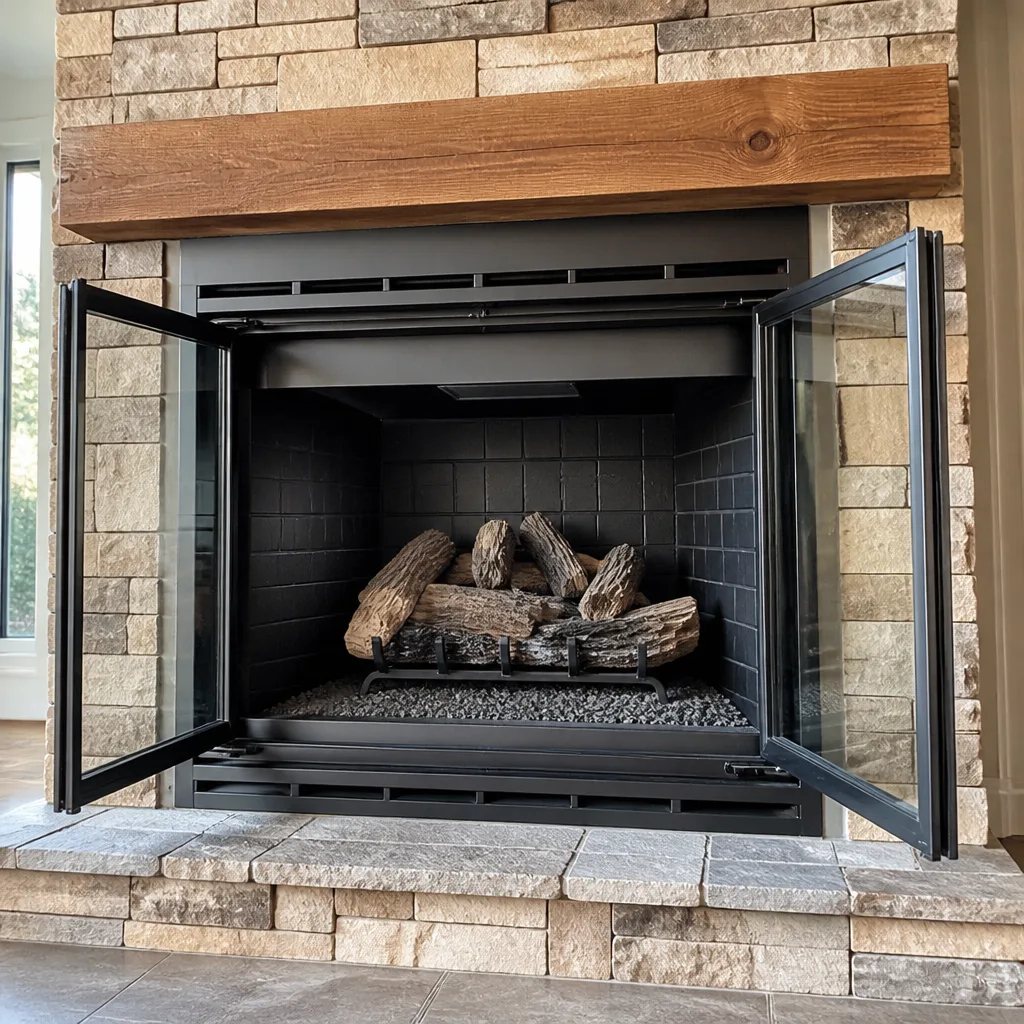 Gas fireplace service
Level 1 sweep and inspection to the NFPA 211 annual standard - flue, crown, cap, and flashing checked and photographed
Chimney sweep logs do not sweep chimneys. They loosen some creosote - which then falls where a brush and vacuum still have to collect it.
Chimney Cleaning Warning Signs: A University Park Homeowner’s Reference Guide
White staining on your chimney’s exterior brickwork isn’t a cosmetic issue. It’s efflorescence, the visible evidence that water is already moving through your masonry and dissolving its internal salts outward. Most homeowners in University Park read that chalky bloom as weather wear and move on with their week. That’s the pattern we see again and again: real chimney problems announce themselves early, quietly, and get waved off as minor until they aren’t. This guide connects what you actually see, smell, and hear to the specific system failure behind it, and tells you which symptoms mean stop burning tonight versus which ones mean schedule a visit soon. One sets out to change how you read your own chimney.
Quick Answer
The warning signs that matter most in a University Park chimney are: a smoky or musty smell when no fire is burning, smoke rolling back into the room, white or brown staining on exterior brick, rust streaks near the flashing, a tilted or missing cap, and popping or cracking sounds from inside the flue. Odor and smoke problems point to creosote buildup or a draft failure; exterior staining and rust point to water intrusion; noises point to heat damage in the flue. Any acrid smell, any smoke rollout, or any cracking sound means stop using the fireplace and get a professional inspection before you burn again.
Styles & brands we work with
- Sweep & inspection
- Caps & crowns
- Flue relining
- Masonry repair
- Gas fireplace service
Table of Contents
- The Symptom-to-Cause Map: What Your Chimney Is Telling You
- Odor Signals: Musty, Acrid, or Sharp
- Smoke Behavior: Rollout, Backdraft, and Lingering Haze
- Exterior Warning Signs You Can See From the Ground
- The False Negative: When Dangerous Conditions Show No Symptoms
- “Do Not Use the Fireplace” Triggers vs. “Schedule Soon” Conditions
- Noise: Popping, Cracking, and What They Mean
- How Often to Sweep and Inspect in University Park
The Symptom-to-Cause Map: What Your Chimney Is Telling You
Every warning sign a chimney produces maps to one of four systems: the flue (creosote, cracks, gaps), the draft path (blockages, pressure problems, a cold flue), the water envelope (cap, crown, flashing, masonry), and the firebox and damper assembly. When you know which system a symptom belongs to, you stop guessing and start planning. Here’s the map we use when a University Park homeowner describes what they’re seeing over the phone.
- Musty or damp smell, no fire burning: water intrusion into the masonry or flue, often through a failing crown or an open cap.
- Acrid or sharp chemical smell, especially on warm days: creosote off-gassing, a strong indicator of Stage 2 or Stage 3 buildup in the flue.
- Smoke rolling out of the firebox opening: restricted flue, blockage, or insufficient draft.
- A thin haze lingering in the room after the fire dies: partial draft failure, common with cold flues and oversized firebox openings.
- White chalky staining on exterior brick: efflorescence, meaning water is migrating through the masonry and pushing salts out.
- Brown or black staining below the crown or at the flashing line: active water tracking, often from a cracked crown or failed flashing.
- Popping or cracking sounds from inside the flue: heat expansion and, in the worst cases, tile cracking.
- A tilted or missing cap: the single most common door water uses to get into a chimney.
We’ve walked hundreds of University Park rooftops where the homeowner’s single complaint turned out to be the upstream symptom of a problem two systems away. The musty smell in the living room is really a bad crown. The smoke rollout is really a bird nest. The rust streak is really a flashing that pulled loose. The map keeps you from treating the symptom and missing the cause.
Odor Signals: Musty, Acrid, or Sharp
Odor is the most misread warning sign in the trade, partly because it’s invisible and partly because homeowners get used to it. The three distinct odor types point to three different failures, and the difference matters for how fast you need to act.
Musty odor, most noticeable on humid days
A musty, damp, or cellar-like smell is water, not smoke. It usually comes from a masonry chimney wicking moisture through spalling brick or a cracked crown, or from an uncapped flue that lets rain in directly. In University Park, where the marine-influenced air stays humid for long stretches of the year, that moisture has time to work on mortar joints between storms. Left alone, it promotes spalling, freeze damage in cold snaps, and eventually a compromised crown. The fix is often a new cap, a crown repair, or re-pointing mortar before water gets deeper into the structure.
Acrid or sharp smell, especially when it’s warm outside
That sharp, almost chemical smell is creosote, and it’s the one we take most seriously. Creosote forms in layers as smoke cools in the flue. Stage 1 is a sooty dust you can brush away. Stage 2 is a flaky, crusty deposit that’s harder to remove and more combustible. Stage 3 is a glazed, tar-like coating that bonds to the flue tile and burns at very high temperatures when it ignites. A smoky or acrid smell when no fire is burning is often a Stage 2 or Stage 3 warning, not a draft issue. It means enough combustible material has accumulated that the flue is releasing vapors on its own. If you smell this, stop burning and schedule an inspection before the next fire.
Sharp, solvent-like smell near the firebox
Occasionally, a sharp solvent smell near the firebox or damper points to a fireplace that hasn’t been cleaned in a long time, an animal nest decomposing in the flue, or a gas fireplace with a small leak. Gas leaks are a separate, urgent category: if you suspect gas, leave the house and call your utility. For wood-burning fireplaces, a persistent solvent smell usually resolves with a proper sweep and inspection.
Smoke Behavior: Rollout, Backdraft, and Lingering Haze
Smoke tells you as much as odor. How it moves, when it moves, and where it goes map cleanly to different draft and blockage conditions. Here are the three patterns we hear most in University Park, and what each points to.
Smoke rollout
Rollout is smoke spilling out of the firebox opening into the room instead of going up the flue. It happens for a few reasons: a partially blocked flue (soot, creosote, a bird nest, a collapsed tile), a chimney that’s too short for the roof pitch, a firebox opening that’s too large for the flue size, or a house that’s running a strong exhaust fan while the fire is burning. Rollout isn’t just unpleasant; it’s a real indoor air quality and carbon monoxide exposure issue. If you see rollout on every fire, even with a well-established draft, stop burning and get it inspected.
Backdraft
Backdraft is a cold-flue problem. The chimney is filled with dense, cold air that sinks into the firebox faster than your fire can push smoke up. You light a fire, smoke pours out, and the fire struggles. In University Park, backdraft is most common in the shoulder seasons and on cool mornings in homes with tall exterior chimneys. A pre-heat technique (lighting a rolled newspaper near the damper before the main fire) helps diagnose it, but if backdraft becomes routine, the flue or the house’s pressure balance needs professional attention.
Lingering haze
A faint smoke smell that hangs in the room long after the fire dies, or a light haze in the house on the morning after, points to partial draft failure. Common causes include a partially closed damper, a poorly seated cap, a flue that’s slightly undersized, or a home that’s too tightly sealed for its combustion air supply. None of these are emergencies, but all of them are worth inspecting before they get worse.
Exterior Warning Signs You Can See From the Ground
You don’t need to climb a ladder to spot most chimney damage. A binocular view from the yard will tell you more than most homeowners realize. Here’s what to look for on your next walk around the house, and what each sign means.
- White chalky staining on brick. Efflorescence. Water is moving through the masonry. Check the crown and cap first.
- Brown or black streaking below the crown or at the flashing line. Water tracking from a failed crown, a torn flashing seal, or a chimney that’s pulling away from the roof.
- Spalling brick (flaking, peeling, or crumbling faces). The brick has absorbed water and is breaking down from the inside. This is a masonry repair, not a cosmetic issue.
- Open or recessed mortar joints. The mortar has eroded between bricks and is letting water in. Re-pointing needs to happen before the brick face starts spalling.
- A tilted or leaning cap. Wind, animal impact, or loose fasteners. A tilted cap lets water and wildlife in and blocks proper draft.
- Rust streaks near the flashing line. The flashing has pulled away or the fasteners have corroded. Water is tracking into the roof deck.
- Missing spark arrestor or cap screen. Open flue, ready for birds, squirrels, and rain.
In University Park, the combination of humid air and occasional wind-driven rain makes the cap and crown the two highest-value pieces of equipment on the roof. A well-fitted cap and a sound crown do more to prevent long-term structural damage than anything else you can do. When we replace a failing cap, we typically go with Gelco or Olympia Chimney hardware built for local climate conditions. A crown that’s cracking or pulling away from the flue can be resurfaced with chimney cap & crown work before the masonry below it starts to fail.
The False Negative: When Dangerous Conditions Show No Symptoms
Here’s the hard truth about chimney warning signs: the most dangerous conditions often produce none. A hairline crack in a clay flue tile, a gap in a mortar joint between tiles, and a well-glazed Stage 3 creosote layer inside a tile-lined flue can all sit silently for years. No smell. No smoke rollout. No visible stain. Then a fire burns hot enough to open the crack all the way, or a spark hits the creosote, and the failure happens fast.
That’s why we treat visible symptoms as helpful but not sufficient. A sweep without an inspection only tells you the flue is clean, not whether it’s intact. The difference matters. A Level I inspection (the kind that comes with a routine sweep) covers the readily accessible portions of the chimney. A Level II inspection uses a camera to look at the full flue interior, and it’s the only reliable way to spot a cracked tile, an offset joint, or a Stage 3 glaze that doesn’t smell. In our experience, most of the University Park chimneys that needed substantial repair had no visible or olfactory symptoms before inspection; the camera found them.
If you’ve never had a camera inspection on your chimney, or you don’t know when the last one happened, that’s the single most useful next step. A full-system inspection on its own is a valuable service, not a sales tool. We offer it as a standalone when a homeowner wants to know the honest condition of their chimney before deciding anything. In most homes, that inspection changes what you do next, and it changes it in your favor.
“Do Not Use the Fireplace” Triggers vs. “Schedule Soon” Conditions
Not every warning sign carries the same urgency. Some mean stop burning tonight. Others mean schedule a visit soon and keep using the fireplace in the meantime. Here’s the split we use, written plainly.
Do not use the fireplace (schedule an inspection before the next fire)
- Any acrid or sharp smell when no fire is burning (likely Stage 2 or Stage 3 creosote).
- Smoke rollout into the room on every fire, even with a warm flue.
- Popping or cracking sounds from inside the flue during a fire.
- Visible damage to the firebox, damper, or flue tile from inside the firebox.
- Carbon monoxide detector alarms that correlate with fireplace use.
- A gas fireplace with a solvent smell or a pilot that won’t stay lit.
- Water actively dripping into the firebox during rain.
Schedule soon but safe to use
- A musty smell that appears only on humid days, with no fire lit.
- Efflorescence or a single brown streak on exterior brick.
- A slightly tilted cap that’s still attached.
- A thin lingering haze after the fire dies, without rollout.
- Occasional backdraft on cold-morning first fires (pre-heat technique usually resolves it).
- A fireplace that burned fine last season but hasn’t been swept in two or more years.
The line between the two lists is straightforward: anything that suggests combustion products are escaping into the house, or that the flue has sustained heat damage, moves to the stop-burning side. Water intrusion and draft nuisance move to the schedule-soon side. If you’re not sure which side your symptom belongs on, describe it over the phone and we’ll tell you what we’d want to check first.
Noise: Popping, Cracking, and What They Mean
Chimneys are mostly quiet. When they aren’t, the sound usually comes from one of three places: the fire itself, expansion and contraction of metal components, or the flue tiles responding to heat. Here’s how to read each one.
- Popping and crackling during a fire: most often normal wood combustion, especially with softwoods or wood that’s not fully seasoned. This is the fire, not the chimney.
- Loud popping that happens once, then stops: commonly a damper or a metal cap component expanding with heat. If it repeats on every fire and comes from up the flue, get it checked.
- Sharp cracking sounds from inside the flue: often heat expansion in a clay tile liner. If you hear it repeatedly, it’s worth a camera inspection to confirm the tiles are still intact.
- Rattling at the top of the chimney during wind: a loose cap or spark arrestor. Usually a repair, not an emergency.
- Hissing or whistling: usually airflow through a partially closed damper or a poorly fitted cap. Not dangerous, but worth correcting.
If you can’t tell where a noise is coming from, put a hand on the chimney breast (the interior masonry) and see if you can feel it. A noise you can feel through the masonry is coming from the flue. A noise you can only hear from above is coming from the cap or the top of the crown. Both are worth mentioning at your next inspection.
How Often to Sweep and Inspect in University Park
The general rule for wood-burning fireplaces is to sweep when creosote reaches about 1/8 inch of buildup, or once a year for most households that burn regularly. In University Park, our guidance leans toward annual sweeps for anyone who uses the fireplace through the cooler months, and an annual inspection for everyone, including gas fireplace owners. Here’s the sweep and inspection approach we recommend for the climate and housing stock in this area.
- Annual sweep for wood-burning fireplaces. Book it before the first cool snap so you’re not waiting on a schedule when you want to light up.
- Annual inspection for all chimneys, wood or gas. The inspection catches what the sweep can’t see.
- Level II camera inspection any time you buy a home, change fuel types, notice any odor or smoke symptom, or haven’t had one in several years.
- Post-storm visual check from the yard after any significant wind or rain event, especially in the winter rainy season.
- Cap and crown check as part of the annual inspection, since these are two of the highest-value items to maintain.
If your home is older, has a tile-lined flue, or has an offset chimney, flexible liner capability matters. A DuraFlex system handles offsets and irregular flues that rigid liners can’t. For liners that are intact but deteriorating, HeatShield ceramic resurfacing can extend liner life without full replacement. We can tell you after the inspection whether your chimney is a sweep, a resurface, or a reline, and we won’t recommend the bigger job if the smaller one is safe.
Common Mistakes to Avoid
- Treating efflorescence as cosmetic. White staining on University Park brick is a water intrusion signal, not a patina. Ignoring it lets water work into the masonry until repair costs go up substantially.
- Assuming a clean firebox means a clean flue. The firebox and the flue are two different surfaces. You can’t see creosote buildup in the flue from the firebox, and you can’t see a cracked tile either.
- Burning a fire to “burn off” creosote. A hot fire is exactly how Stage 3 glazed creosote ignites. If you suspect buildup, get a sweep, don’t feed the buildup oxygen.
- Using a store-bought cap or a generic hardware-store cap on a masonry chimney. Fit and fastener quality vary, and a loosely fitted cap is a water and wildlife door. Gelco and Olympia Chimney caps are sized and mounted correctly.
- Putting off inspection because the chimney “seems fine.” The most dangerous University Park chimney conditions produce no symptoms, which is exactly why annual inspection matters.
- Letting one contractor sweep and another repair. Every handoff loses information. One company that handles the chimney sweep, the inspection, and the repair keeps the whole picture in focus.
- Ignoring a smoky smell between fires. That’s a Stage 2 or Stage 3 creosote indicator, not a draft nuisance, and it’s a stop-burning signal.
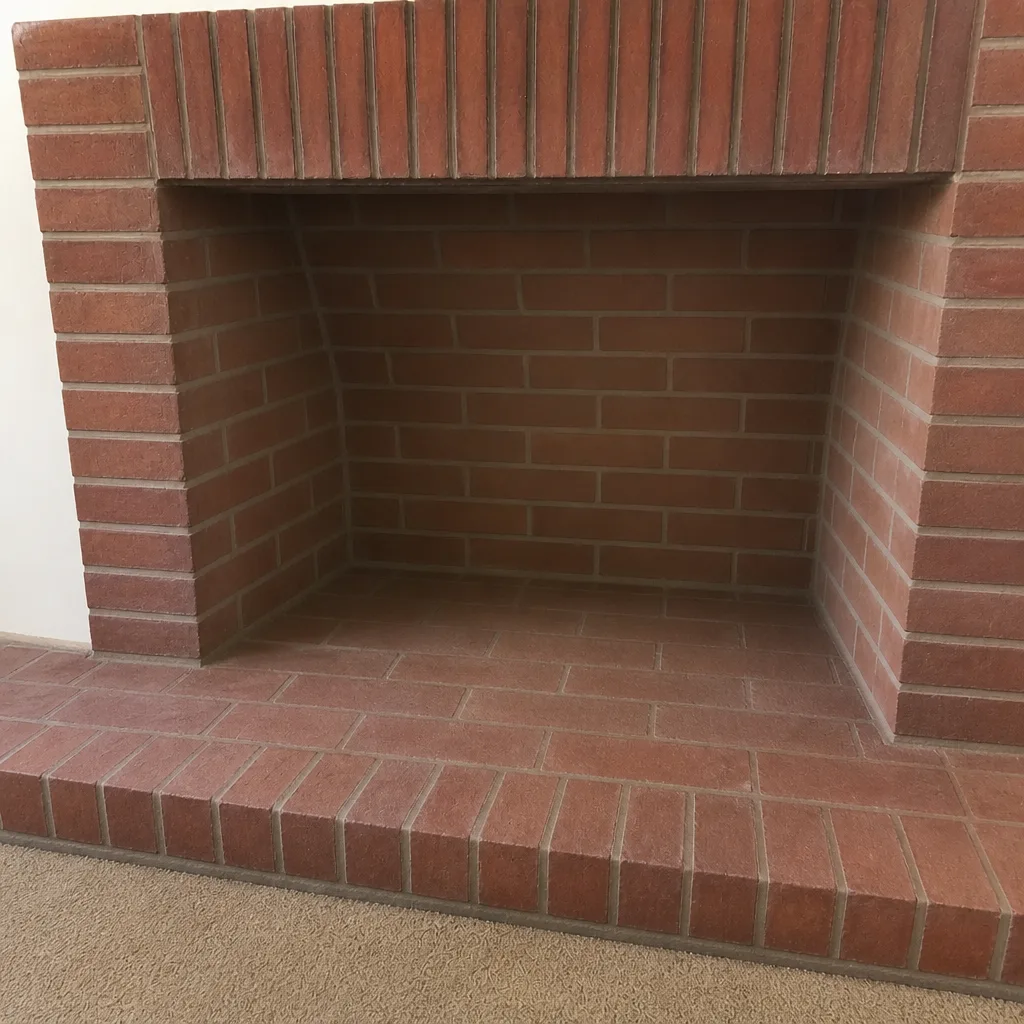
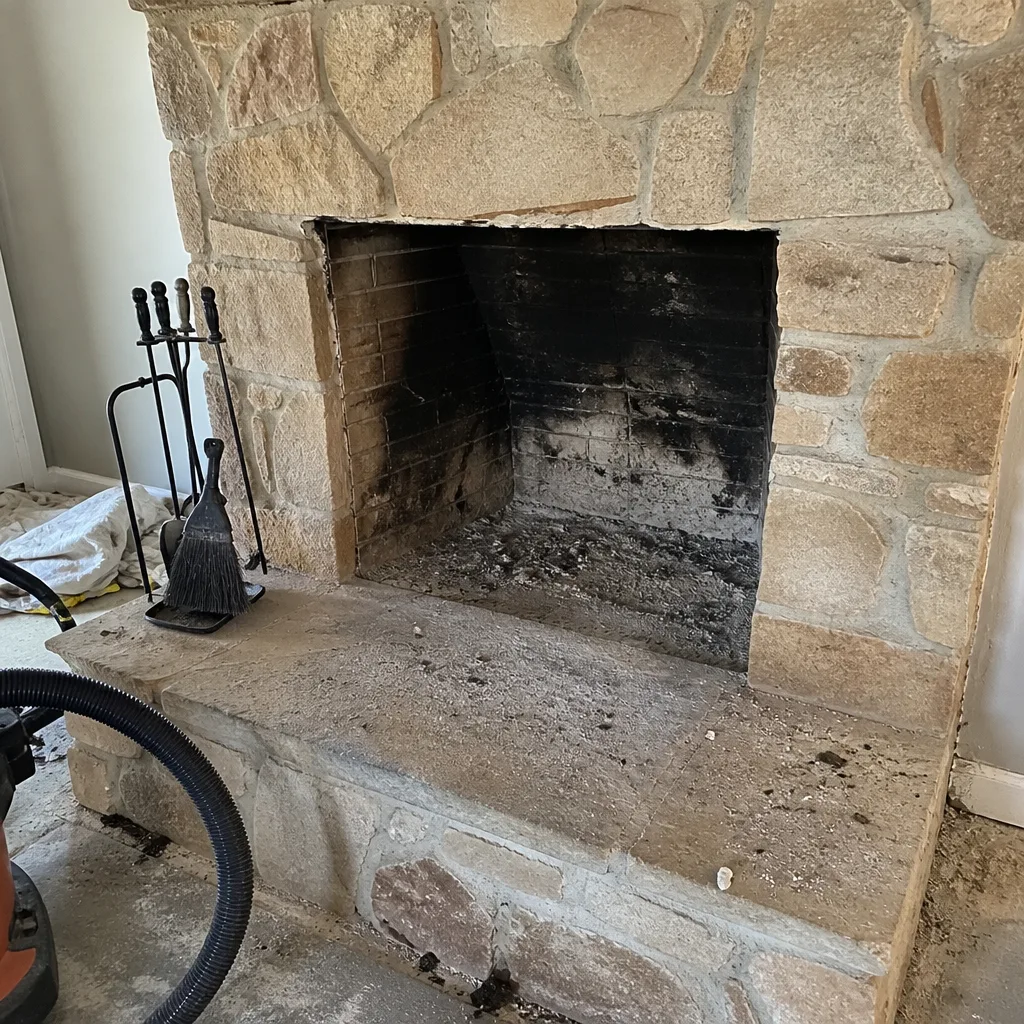
See the difference
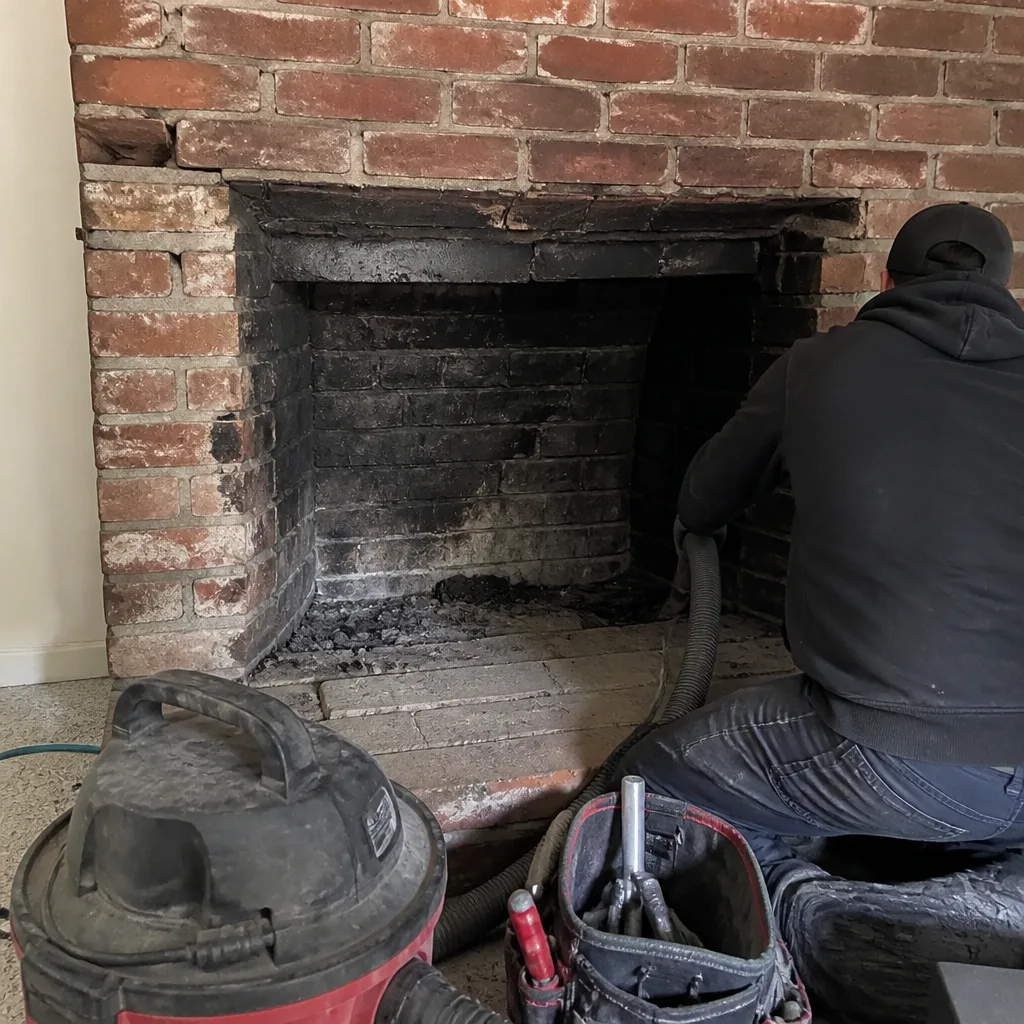 Before
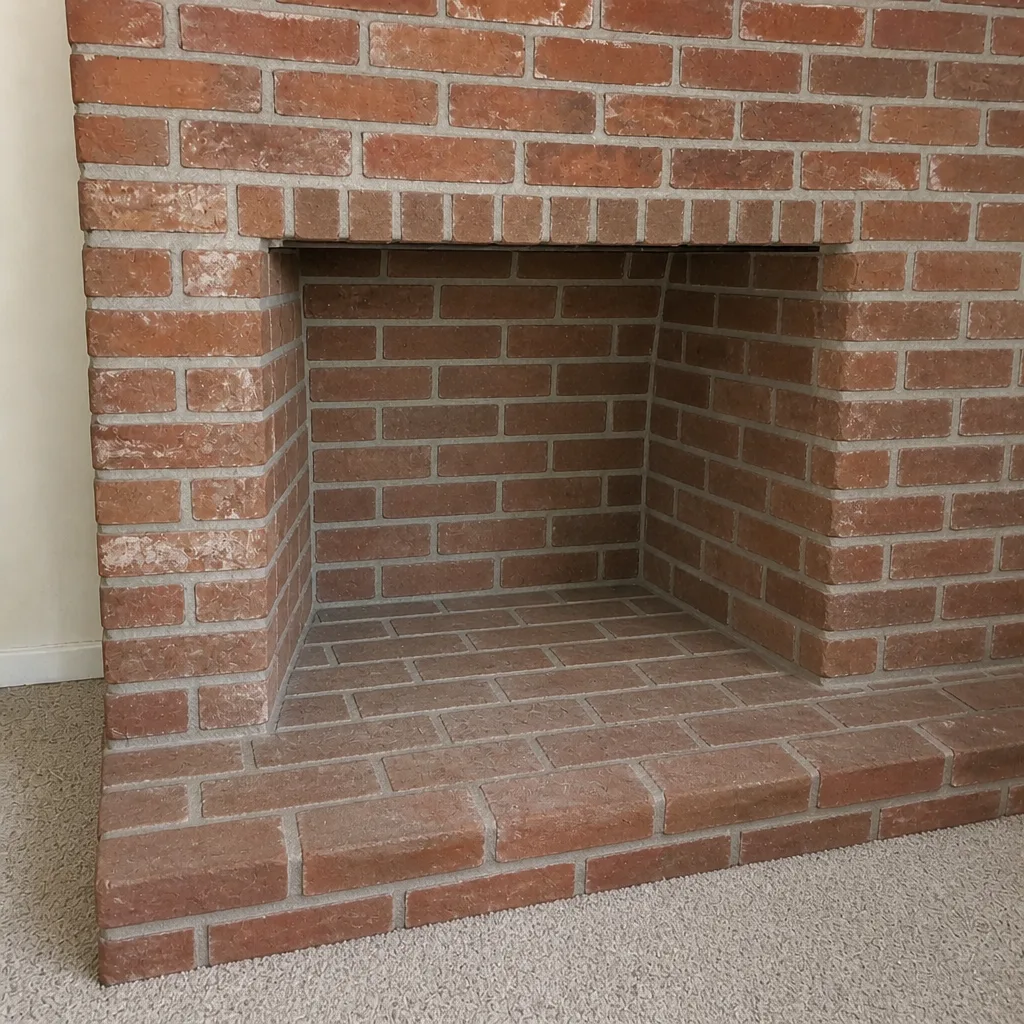 After
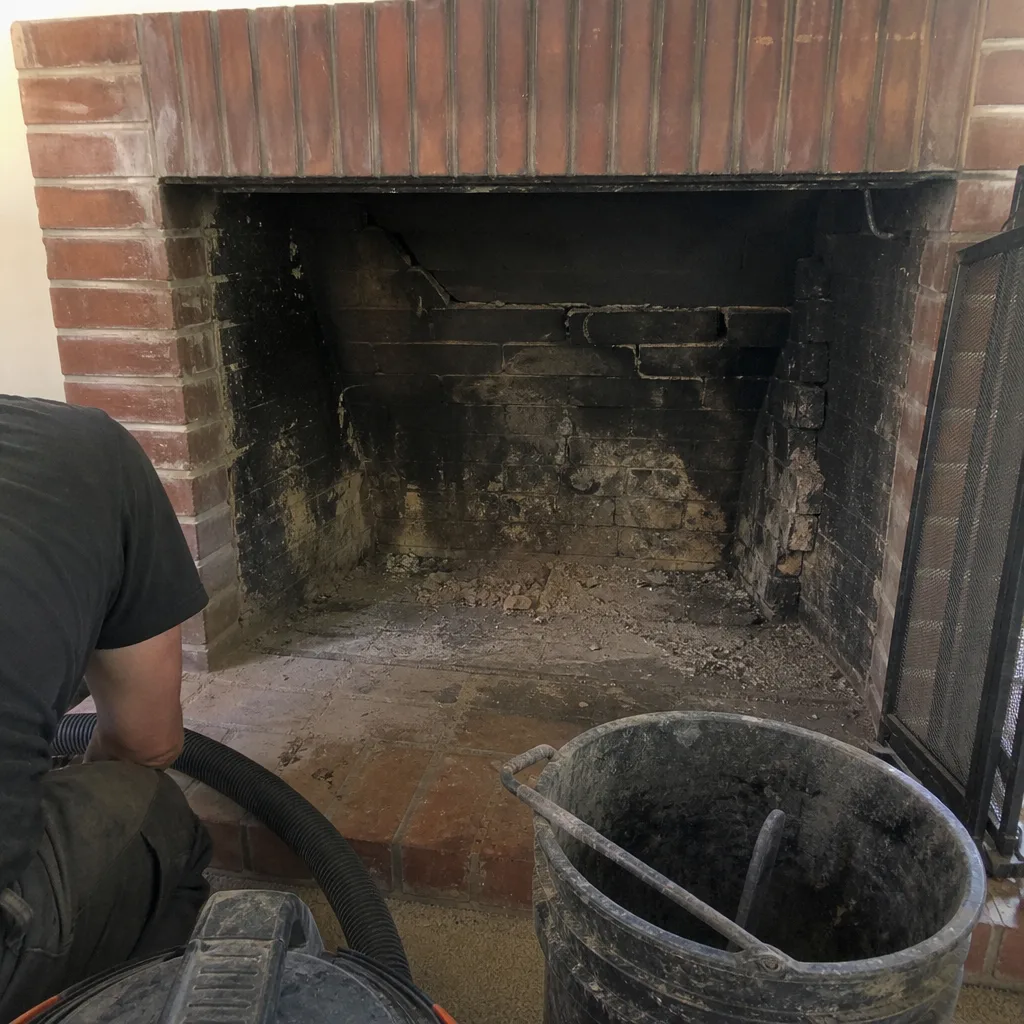 Before
 After
 Before
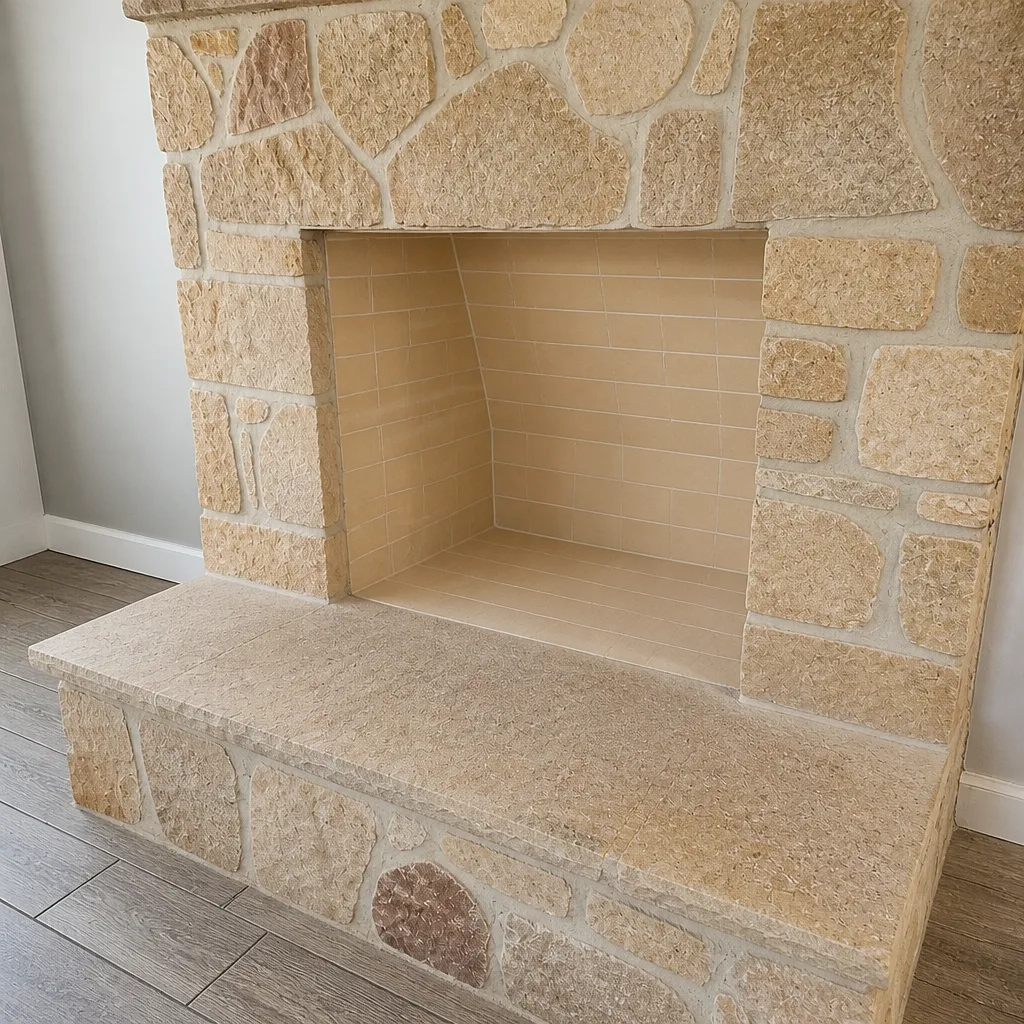 After
When to Call a Professional
Call a professional when you see smoke rollout on any fire, smell acrid creosote between fires, hear repeated cracking from the flue, see active water tracking down the exterior, or notice a cap that’s tilted, missing, or damaged. Also call if it’s been more than a year since the last sweep, or if you don’t know the last time your chimney was camera-inspected. And call if you’re buying or selling a house with a fireplace; a Level II inspection is the right next step before a sale closes. Chimney Sweep University Park provides sweeping, inspection, fireplace repair, chimney repair, and cap and crown services, all handled by the same team and all after a proper inspection. We work with professional-grade brands including DuraFlex, HeatShield, Gelco, Olympia Chimney, and Famco. Chimney Sweep University Park offers free estimates in University Park. Call (877) 792-6047 to book.
Frequently Asked Questions
A typical chimney sweep in University Park is priced by job, and the written estimate you receive after the inspection sets the final price. The estimate is free. Pricing depends on the fuel type, flue condition, and access, so the visit starts with an assessment before anything else happens. Call (877) 792-6047 for an exact quote; estimates are free.
A smoky smell with no fire burning usually means creosote or soot in the flue is releasing vapors, which is a Stage 2 or Stage 3 buildup indicator rather than a draft issue. It’s a stop-burning signal: get an inspection before you light the next fire. In our experience, this is one of the most commonly ignored warning signs, and it’s also one of the most reliable indicators that a sweep is overdue. Call (877) 792-6047 for an exact quote; estimates are free.
Most University Park chimneys we inspect don’t need a full liner replacement. Deteriorating liner interiors can often be restored with HeatShield ceramic resurfacing, and older, offset, or irregularly shaped flues can generally be relined with a DuraFlex flexible system when a full reline is warranted. The right answer depends on the camera inspection, and we won’t recommend a bigger job if the smaller one is safe. Call (877) 792-6047 for an exact quote; estimates are free.
Once a year for most wood-burning fireplaces, or whenever creosote reaches about 1/8 inch of buildup. Gas fireplaces need an annual inspection even though they don’t require sweeping. University Park’s humid air means cap and crown checks should happen at the same annual visit. Call (877) 792-6047 for an exact quote; estimates are free.
Skipping a sweep allows creosote to build through Stage 2 into Stage 3 glazed deposits, which are the fuel for a chimney fire, and it lets small flue-tile cracks go undetected. The risk isn’t only fire; a compromised flue can also allow combustion products, including carbon monoxide, into the home. Call (877) 792-6047 for an exact quote; estimates are free.
Yes, in most cases. Efflorescence means water intrusion, not a combustion hazard. It belongs in the schedule-soon category rather than the stop-burning category. It’s still worth acting on, because the water that’s causing the staining is the same water that damages the crown, the flashing, and the brick over time. Call (877) 792-6047 for an exact quote; estimates are free.
The Bottom Line
Chimney warning signs aren’t decorative. Odor tells you about creosote or water. Smoke behavior tells you about draft and blockage. Exterior staining tells you about the water envelope. Noise tells you about heat and expansion. The most dangerous conditions, though, are the quiet ones, which is why annual inspection matters even on a chimney that seems fine. If you’re in University Park and you’ve read this and recognized one or two of these symptoms, the right next step is simple: schedule an inspection before the next fire. Our technicians have up to 8 years of experience working with professional-grade materials including HeatShield, DuraFlex, Gelco, Olympia Chimney, and Famco. We handle the Chimney Sweep University Park work that gets your season started, the fireplace repair that fixes what the inspection uncovers, and the cap and crown work that keeps water out. Whatever the inspection finds, we take the whole chimney from first call to final repair.
Call (877) 792-6047. We answer 24/7. Fast dispatch from 7am to 7pm, Sunday through Friday. Estimates are free, the price is set per job by the written estimate, and nothing gets recommended before we’ve inspected and shown you what the camera saw. That’s the only honest way to know what your chimney actually needs.
Written by the team at Chimney Sweep University Park.