
Last updated November 24, 2026
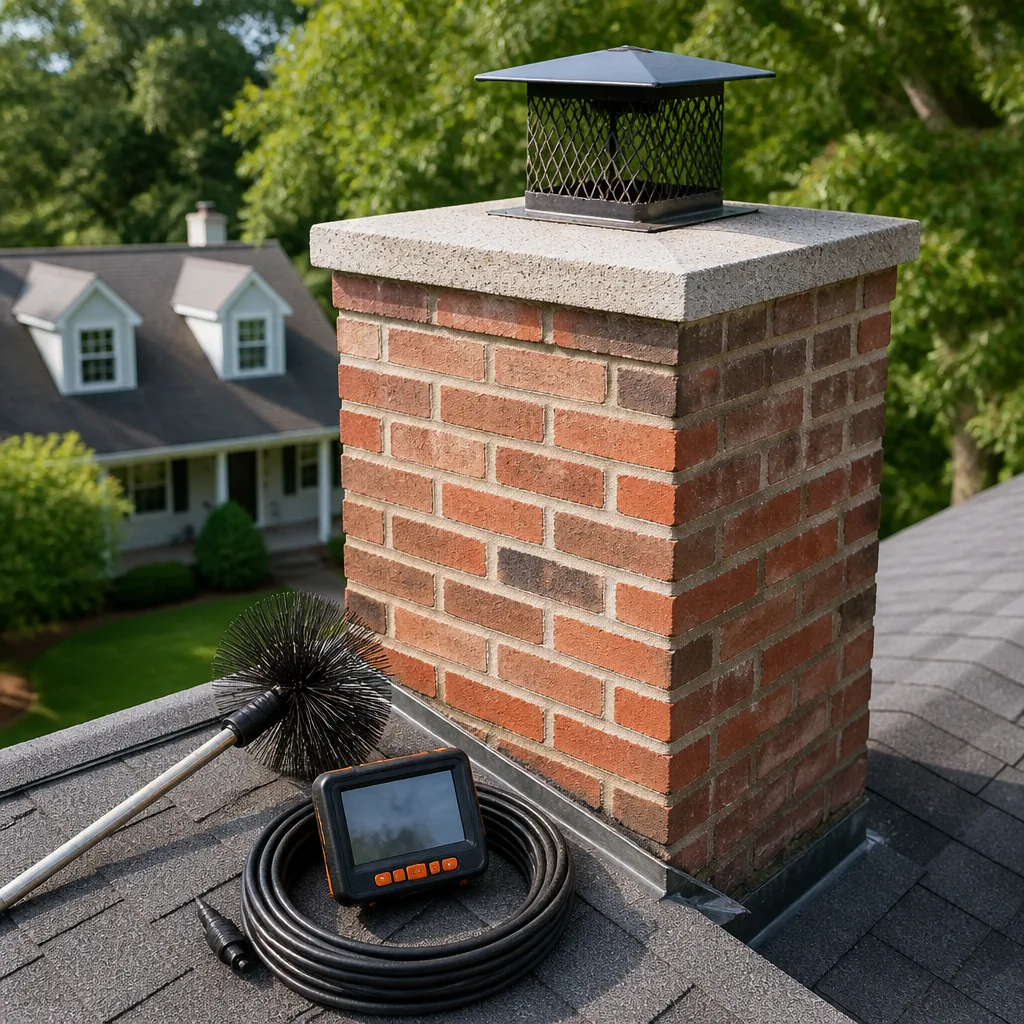 Sweep & inspection
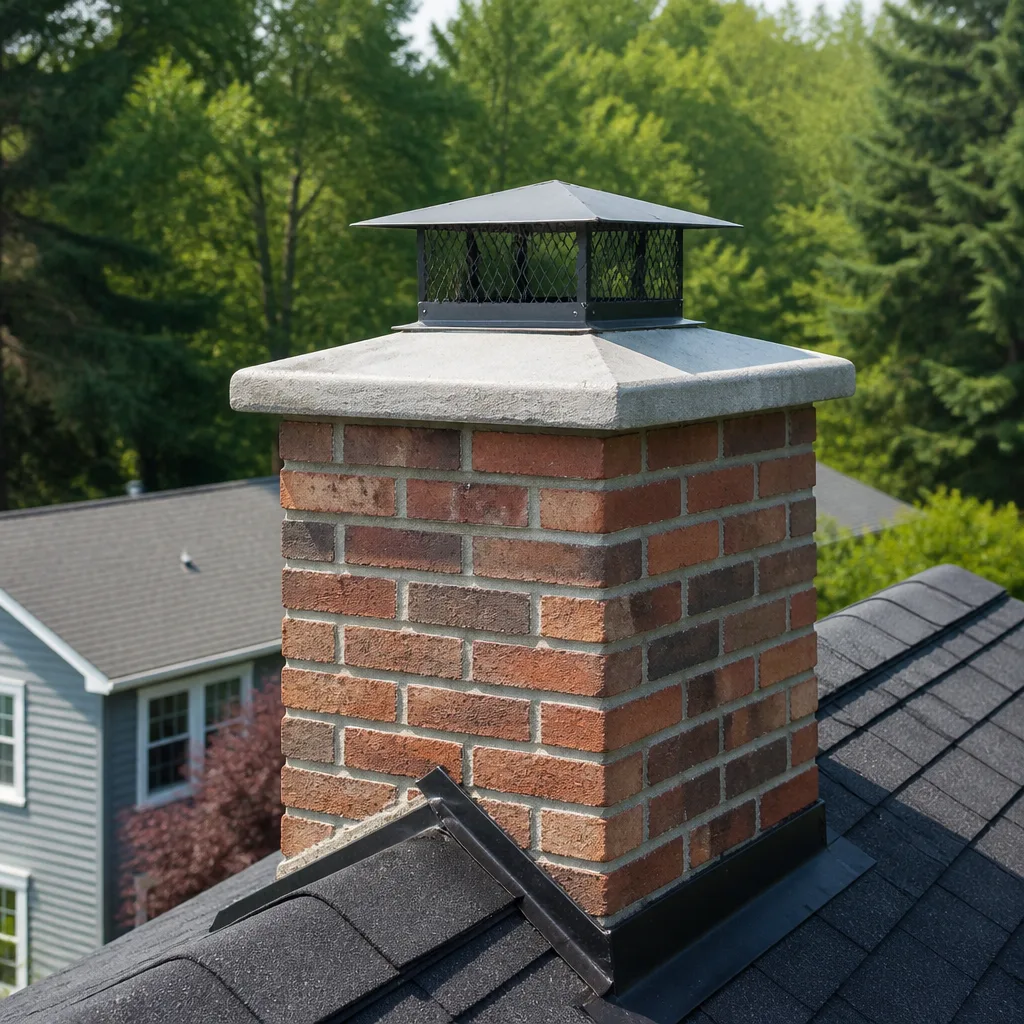 Caps & crowns
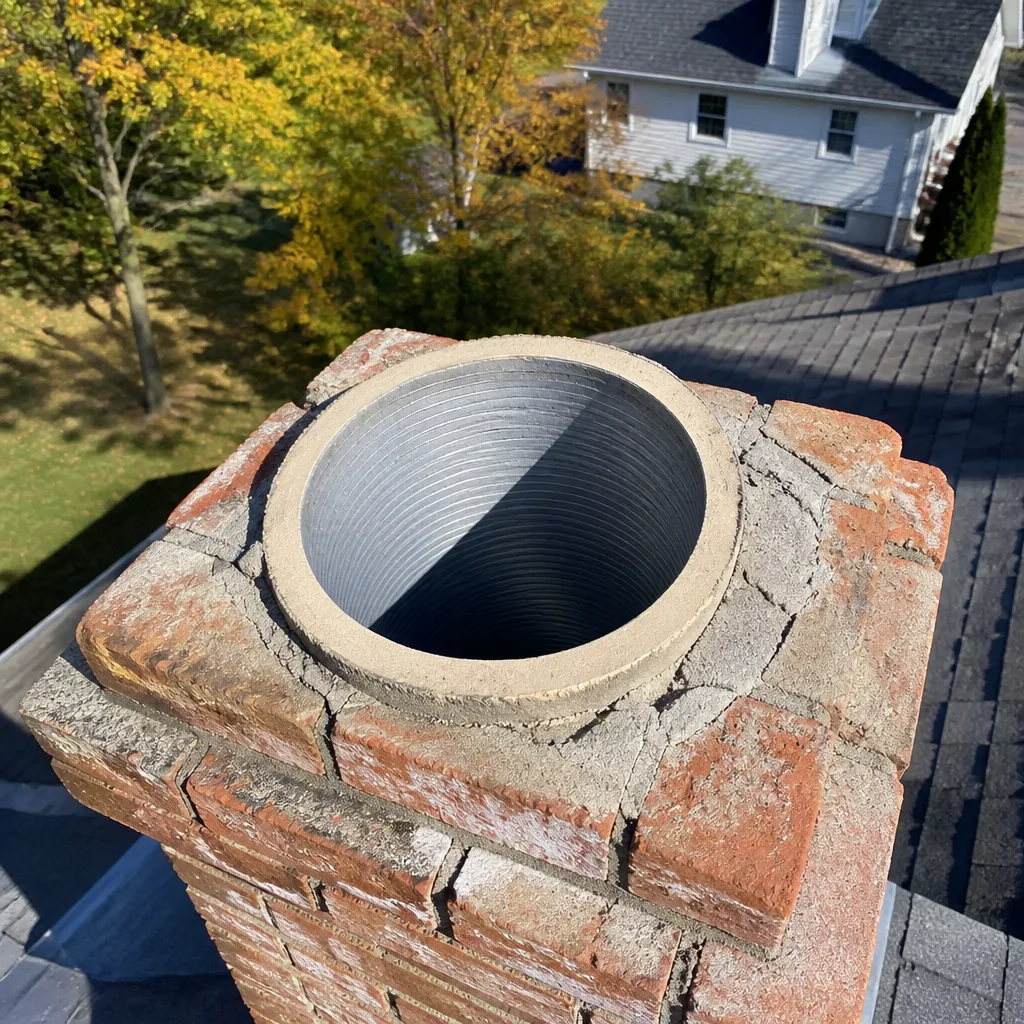 Flue relining
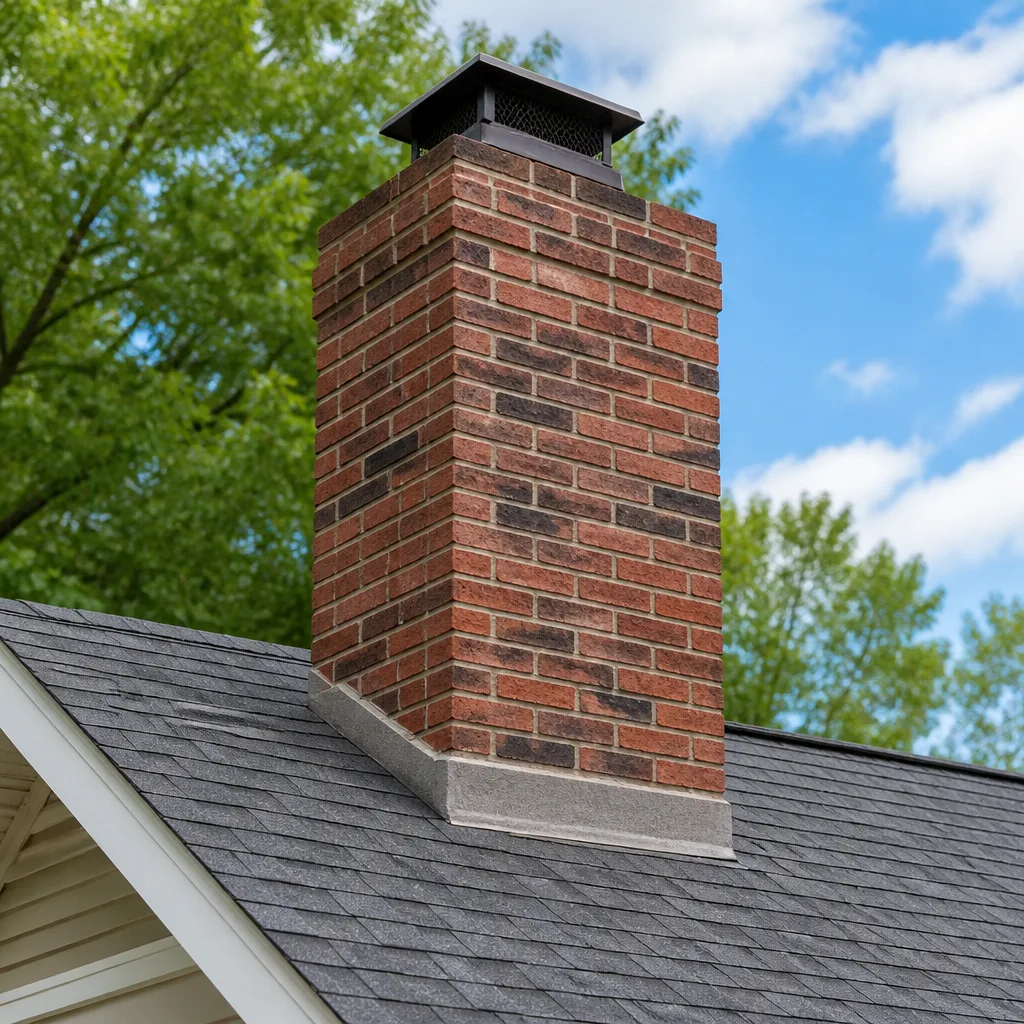 Masonry repair
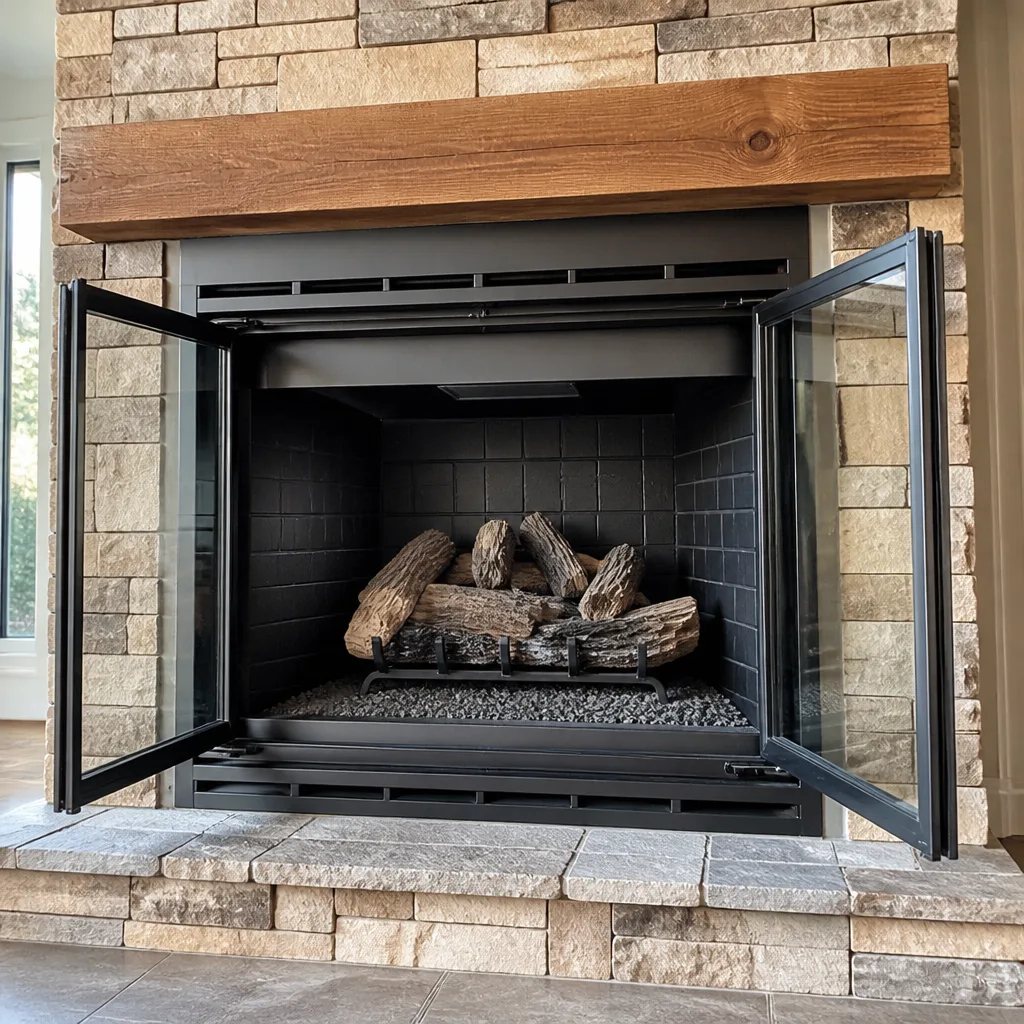 Gas fireplace service
Level 1 sweep and inspection to the NFPA 211 annual standard - flue, crown, cap, and flashing checked and photographed
Chimney sweep logs do not sweep chimneys. They loosen some creosote - which then falls where a brush and vacuum still have to collect it.
Seasonal Chimney Cleaning Care for University Park: Year-Round Homeowner’s Guide
Most chimney advice you’ll find online was written for a place with four distinct seasons, a hard freeze, and a heating system that runs six months straight. University Park isn’t that place. Here, a real heating season might last from November through February, and plenty of households burn fewer than five fires all year. That lighter use feels safer, so annual cleaning gets skipped. In practice, occasional low-temperature burning builds dense, sticky creosote faster per fire than a hot daily burn does, and a flue that sits idle from March through October collects moisture, rust, and pests while nobody’s looking. This guide maps chimney care to University Park’s actual climate, month by month, so you know what to check and when.
Quick Answer
In University Park, chimney care is a twelve-month job, not a fall ritual. The inside of the flue needs sweeping based on how much you burn (often every one to two years for light use, annually for regular use), while the outside, crown, cap, and flashing need a look before the first rain and again after any major storm. The best time to book a pre-season sweep in University Park is late summer, before the October rush.
Styles & brands we work with
- Sweep & inspection
- Caps & crowns
- Flue relining
- Masonry repair
- Gas fireplace service
Table of Contents
- Why University Park’s Climate Changes the Chimney Calendar
- What Happens Inside a Flue That Sits Idle From March to October
- The Post-Rain Protocol: What to Check After a SoCal Storm
- Summer Chimney Tasks That Pay Off in Winter
- University Park Month-by-Month Maintenance Grid
- Sweeping vs. Inspection: What Your Chimney Actually Needs
- Creosote, Stage by Stage: Why Light Burning Isn’t Low Risk
- Cap and Crown: The Two Places Water Gets In
Why University Park’s Climate Changes the Chimney Calendar
Standard chimney advice assumes cold winters and a long idle summer. University Park flips that pattern in a way that matters. The burning season is short, but the exposure season is long. Sun, morning marine layer moisture, and dry Santa Ana winds work on the outside of your chimney all twelve months, whether or not you’ve lit a fire.
That split between combustion load and weather load is the whole reason a Northeast-style calendar doesn’t fit here. If you follow a template written for a place with a five-month heating season, you’ll clean too often for your actual burn volume and ignore the exterior during the months it’s most vulnerable.
Here’s the practical difference:
- Inside the flue: risk is driven by how much and how you burn. A few cool, smoldering fires a year can leave more creosote per cord than a hot daily burn.
- Outside the chimney: risk is driven by weather, all year. UV breaks down crown sealant. Moisture works into masonry and flashing. Wind drives debris against caps and screens.
- The gap between them: an idle flue in a mild climate stays damp longer than a flue that’s regularly heated and dried out by use.
In our experience across University Park, the homes that get into trouble aren’t the heavy burners. They’re the occasional burners who assume light use means low maintenance, then discover a rusted damper or a cracked crown after the first real storm. One company that handles every part of the chimney, from the flue to the cap, makes this far easier to stay on top of than juggling separate sweeps and masons.
What Happens Inside a Flue That Sits Idle From March to October
A flue that hasn’t had a fire in months isn’t resting. It’s accumulating the exact conditions that shorten its life. When the burning season ends in University Park, most chimneys sit closed up through the warm months, and that closed, unventilated state is where small problems start.
Four things tend to happen:
- Moisture accumulates. The marine layer pushes humid air against the chimney, and any that gets past the cap or into the masonry has nowhere to go. Over months, that trapped moisture softens mortar and feeds mildew.
- Damper components rust. A steel damper that stays closed over a damp summer can corrode at the hinge and frame. By fall, it may stick, seal poorly, or fail to open fully, which affects draft the moment you light the first fire.
- Pests move in at the crown. An uncapped or damaged-screen flue is an open door. Birds, squirrels, and insects find their way in through spring and summer, and nests block the flue you’ll want clear in November.
- Masonry shows efflorescence. That white, chalky staining on brick and mortar is a sign moisture is moving through the masonry and leaving mineral deposits behind. It’s one of the earliest visible clues that water is getting in.
None of this is dramatic in a single season. That’s the trap. The damage is slow and cumulative, and it’s invisible from the living room. Catching it early is the difference between a crown reseal and a rebuild. A proper inspection is the only way to know which one you’re facing. We offer a full-system inspection as a standalone service precisely because it should be a routine check, not something tacked onto a repair.
The Post-Rain Protocol: What to Check After a SoCal Storm
After a major Southern California storm, the thing to check before your next fire is water intrusion at the crown and flashing, not creosote. A single hard rain can push water into places the summer dry spell never tested. This is the check most people skip, because the fire still lights and the room still smells fine.
Here’s the order we walk through after heavy rain:
- Look at the crown first. The crown is the concrete or mortar cap at the very top of the chimney. Cracks there channel water straight down into the masonry. Even a hairline crack lets in more than you’d expect over a winter.
- Check the flashing where the chimney meets the roof. Flashing is the metal that seals that joint. Lifted, rusted, or separated flashing is a common leak source after wind-driven rain.
- Inspect the cap and screen. Wind can bend screens, dislodge cap hardware, or push debris against the openings. A cap that’s lost a fastener is one storm away from a bigger problem.
- Check inside for staining and rust. Water stains on the firebox, a rusted damper, or damp creosote are all signs water got past the exterior defenses.
- Resolve it before the next fire. Don’t wait until after the season to address a leak. Water and creosote don’t mix well, and a damp flue behaves unpredictably the next time you burn.
After a storm, the fix is often small: resealing a crown with chimney cap & crown work, replacing a screen, or resetting flashing. Catching it after the rain, rather than after the season, keeps a small repair from becoming a structural one. If water got in and sat, that’s when an inspection earns its keep, because it tells you whether the liner was affected.
Summer Chimney Tasks That Pay Off in Winter
Summer is the best time to work on a chimney in University Park for one simple reason: it’s dry. Sealants cure properly, masonry can be assessed without rain complicating the picture, and you’re not competing for an appointment with everyone who suddenly remembered their chimney in October.
The warm months are when the quiet, preventive work happens:
- Inspect crown sealant while it’s dry. This is the one job best done in the heat of summer. Sealant applied to dry masonry bonds well; the same job done in a wet winter may not hold.
- Clear cap screens after wind events. Santa Ana winds carry debris that packs against screens and caps. A clear screen means proper draft and no pest entry.
- Book your pre-season appointment early. The October backlog is real. Scheduling the annual sweep and inspection in late summer means your chimney is ready before the first cool night, not three weeks after it.
- Check for efflorescence and rust. A dry summer makes moisture damage easier to spot, because the contrast between damp and dry masonry is clearer.
- Have the liner assessed. If the flue needs restoration, summer is when there’s time to do it right, whether that’s a resurfacing method like HeatShield or a flexible reline.
We’ve found that homeowners who front-load the summer tasks avoid the fall scramble entirely. The chimney gets inspected when there’s no pressure, any repair gets done with time to spare, and the first fire of the season is a non-event. Scheduling ahead is the single easiest habit to build.
University Park Month-by-Month Maintenance Grid
Here’s the seasonal map we’d hand any University Park homeowner. It’s built around this region’s real climate, not a template designed for a hard-freeze winter. Treat it as a rhythm, not a rigid schedule; adjust for how much you actually burn.
| Time of Year | What to Do | Why It Matters Here |
|---|---|---|
| March – April | Post-season inspection; note damper and firebox condition | Catches winter wear before the idle months set in |
| May – June | Check cap and screen after spring wind; clear debris | Prevents pest entry and keeps draft clear all summer |
| July – August | Inspect and reseal crown while dry; assess liner | Dry conditions give sealant the best chance to hold |
| September | Book annual sweep and inspection; address any repairs | Beats the October backlog and finishes before first fire |
| October | Final pre-season check; confirm cap is secure | Last chance to fix water defenses before the rains |
| November – February | Burn season; monitor for draft problems and smoke | The short heating window here; watch for creosote buildup |
| After any major storm | Crown, flashing, cap, and interior moisture check | Water intrusion needs resolving before the next fire |
The grid’s logic is simple: work on the chimney while it’s dry and idle, and protect it before the rain. Everything else follows from that. If you only remember one line, remember to schedule the annual sweep in late summer, not October.
Sweeping vs. Inspection: What Your Chimney Actually Needs
A sweep and an inspection are two different jobs, and mixing them up is one of the most common sources of confusion. In short: a sweep removes what’s built up inside the flue, and an inspection tells you the actual condition of the whole system. You often need both, but they answer different questions.
A chimney sweep cleans the flue, firebox, and smoke chamber of creosote, soot, and debris. How often depends on use. Light, occasional burning may warrant a sweep every year or two; heavier use means annually. Because light burning in University Park can still build dense creosote, don’t assume low fire count means low cleaning need.
An inspection looks at the entire system: the flue liner, damper, firebox, crown, cap, and flashing. A thorough inspection should include camera evidence you can see, so any recommendation is based on what’s actually there rather than a sales pitch. We treat the full-system inspection as a standalone service because a safety assessment shouldn’t be an add-on to a cleaning.
- Need a sweep if: you’ve burned a meaningful amount since the last cleaning, the flue shows visible soot or creosote, or it’s been more than a couple of years of regular use.
- Need an inspection if: you’ve had water intrusion, a storm, a pest problem, a draft issue, or it’s simply been a while. Inspection is also the first step before any repair.
- Need repair if: the liner is cracked or deteriorated, the damper won’t seal, the firebox has damage, or the crown and flashing are failing. That’s where fireplace repair and chimney repair come in.
The order matters: inspect first, then recommend honestly. A sweep without an inspection can clean a flue that has a cracked liner and never tell you the liner is the real issue.
Creosote, Stage by Stage: Why Light Burning Isn’t Low Risk
Creosote is the residue left behind when wood smoke cools and condenses on the flue walls. It’s the main reason chimneys need sweeping, and it comes in stages that behave very differently. The stage that matters most for light burners in University Park is the sticky middle one.
- Stage 1: light, flaky soot. Easy to brush away during a routine sweep. Common in regular, hot burns.
- Stage 2: dense, sticky, tar-like creosote. This is what cool, smoldering, low-temperature fires tend to produce. It clings to the flue and doesn’t come off with a quick brush.
- Stage 3: hardened, glazed creosote. The toughest to remove. It can require professional methods and sometimes restoration of the flue surface.
Here’s the counterintuitive part. A fire that burns hot and complete leaves less sticky residue because the smoke is hotter and the creosote burns off. A fire that’s damped down and left to smolder leaves more, because the cooler smoke condenses on the flue walls. Homeowners who light a few fires a year and keep them low and slow can produce dense Stage 2 creosote faster per fire than someone running a wood stove at full draft. That’s why “we hardly ever burn” isn’t a reason to skip sweeping. It’s a reason to have the flue inspected.
Creosote is also the fuel source for chimney fires. We don’t say that to alarm anyone. We say it because a sweep is a low-cost way to remove the fuel, and a chimney fire is what happens when that fuel builds up unnoticed. If a sweep reveals glazed creosote or a compromised liner, restoration methods like HeatShield can sometimes extend the liner’s life without a full replacement. That’s the restore-before-you-replace path, and it only works if the problem is caught early.
Cap and Crown: The Two Places Water Gets In
Most chimney damage we see in University Park starts with water, and water almost always gets in through one of two places: the cap at the top, or the crown beneath it. That’s why we treat these two elements as the first line of defense, not an afterthought to the sweep.
The crown is the masonry or concrete top of the chimney. Its job is to shed water away from the flue and the masonry below. When it cracks, water runs straight down into the structure. Over a wet winter, that moisture softens mortar, feeds efflorescence, and eventually undermines the chimney’s structure. Resealing or rebuilding the crown is far less costly than repairing what water damage does underneath.
The cap is the cover and screen above the flue. It keeps rain and debris out, and it keeps birds, squirrels, and insects from getting in. Wind events can loosen caps or bend screens, which is why a check after storms matters. We work with professional-grade cap and crown hardware from names like Gelco, Olympia Chimney, and Famco because the hardware you install determines how long it holds up against the weather here.
Between the two, they address the leading cause of long-term chimney structural damage: water getting where it shouldn’t. A sweep keeps the inside safe to burn; the cap and crown keep the outside intact. Both are part of one system, which is why we handle them under one roof, from sweeping and inspection through chimney repair and cap installation. Restoring before you replace is always the goal. If you’re unsure where your chimney stands, start with the inspection and decide from there.
Common Mistakes to Avoid
- Skipping annual cleaning because you burn rarely. Light, low-temperature fires build dense creosote per fire at least as fast as heavy burning. Low use is a reason to inspect, not a reason to skip.
- Following a Northeast seasonal calendar. University Park’s mild climate means the exterior needs attention all twelve months, not just in fall. A four-season template misses the summer exposure window entirely.
- Waiting for October to schedule. The pre-season rush means longer waits and less time to address anything the inspection finds. Book in late summer instead.
- Ignoring the crown and flashing after rain. A leak after a storm needs fixing before the next fire, not after the season. Small water intrusion becomes structural damage over time.
- Treating a sweep as a substitute for an inspection. A clean flue can still have a cracked liner or a failing damper. The inspection is what tells you the actual condition.
- Assuming a repair recommendation is an upsell. A trustworthy recommendation comes with camera evidence you can see. Ask for it, and don’t accept a big-ticket recommendation without it.
- Letting the cap go loose or the screen bend. Wind events here can compromise a cap that was fine last season. A quick post-storm check prevents pest entry and water problems.
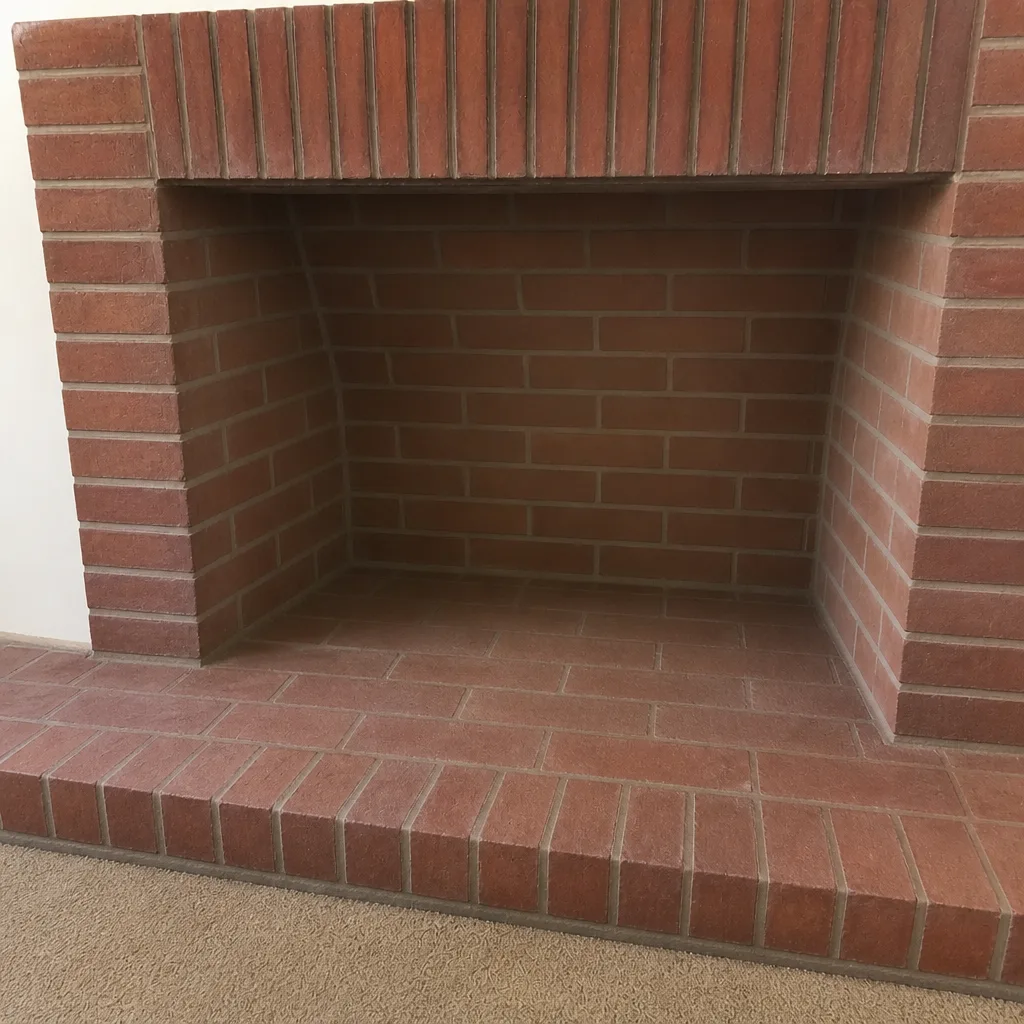
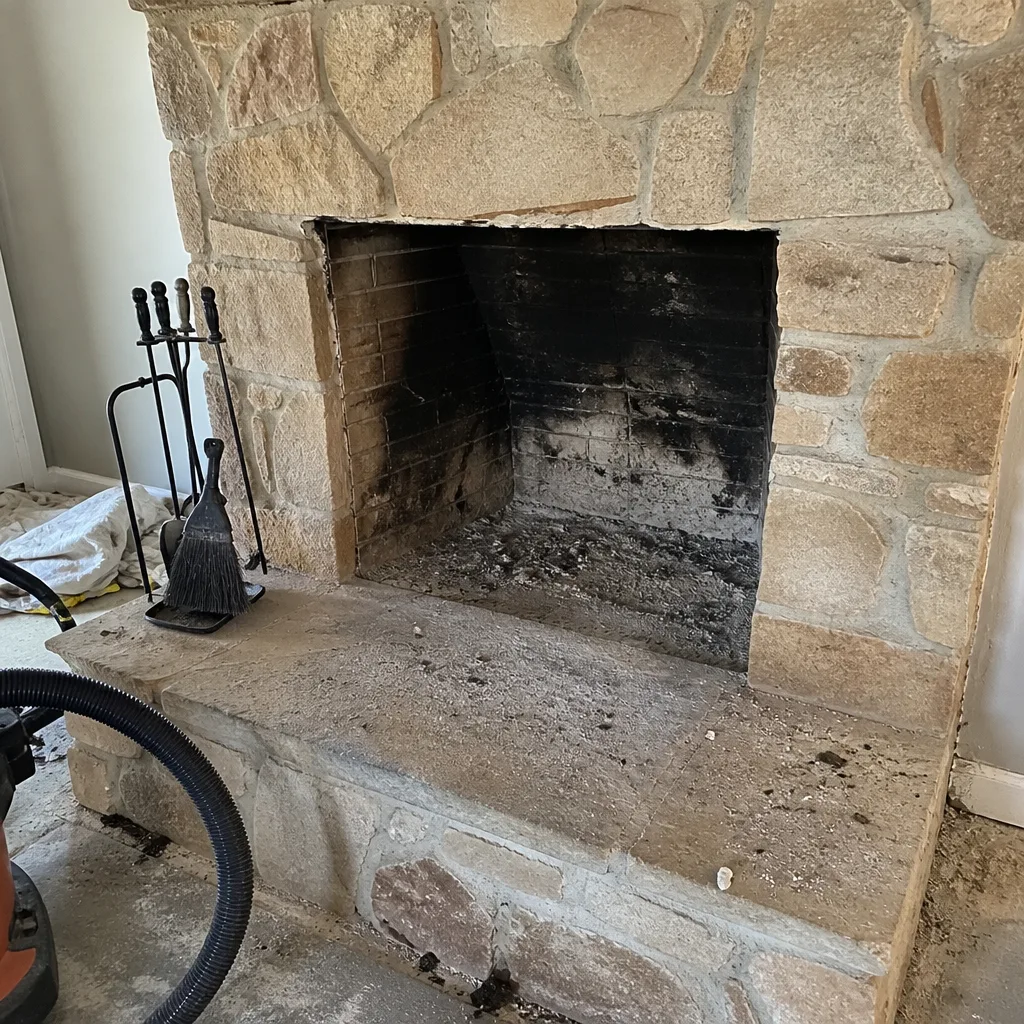
See the difference
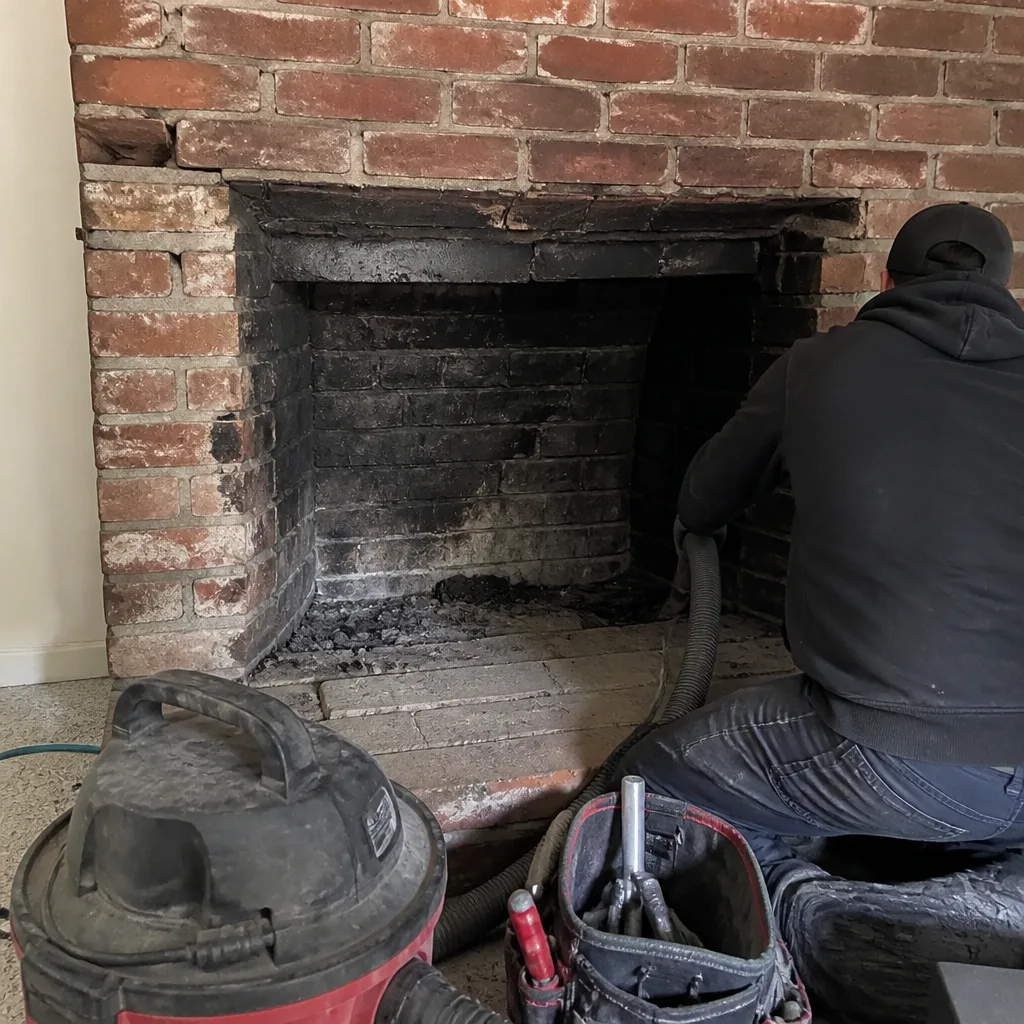 Before
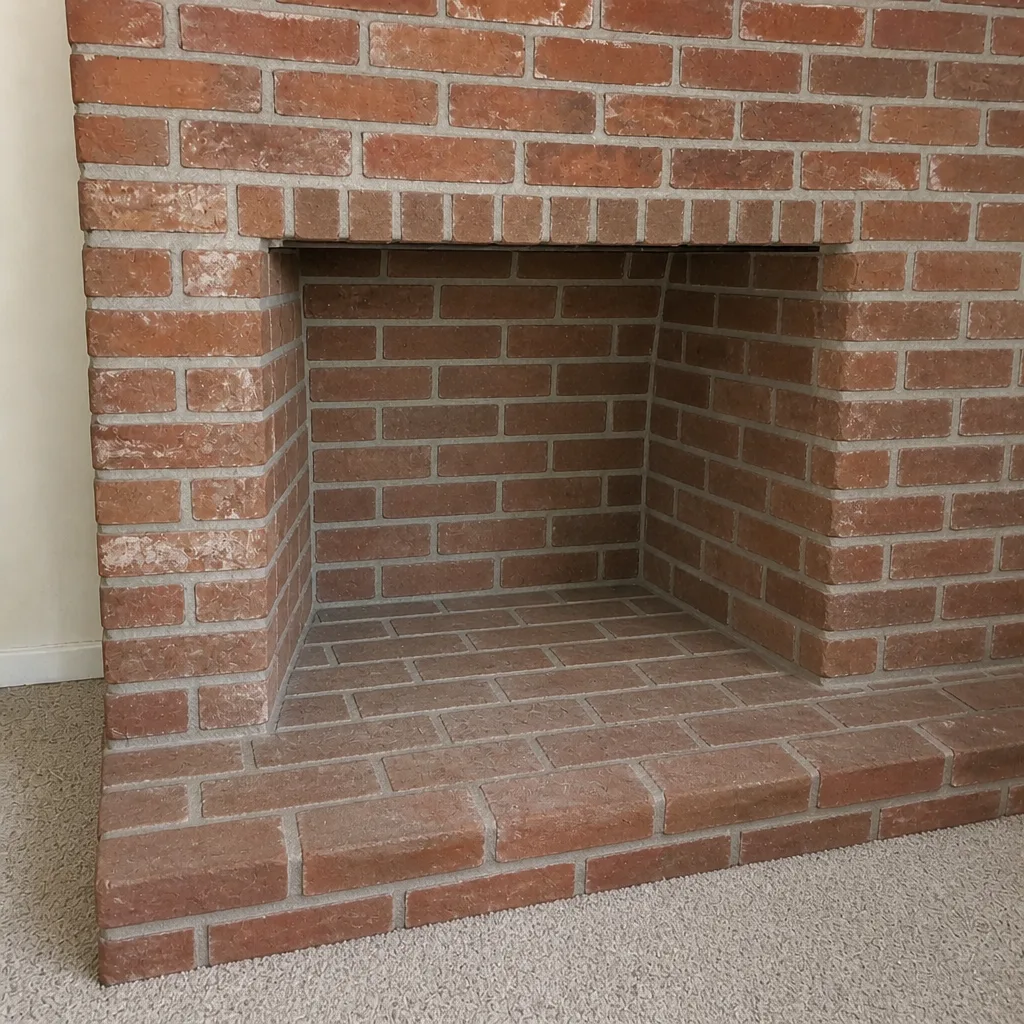 After
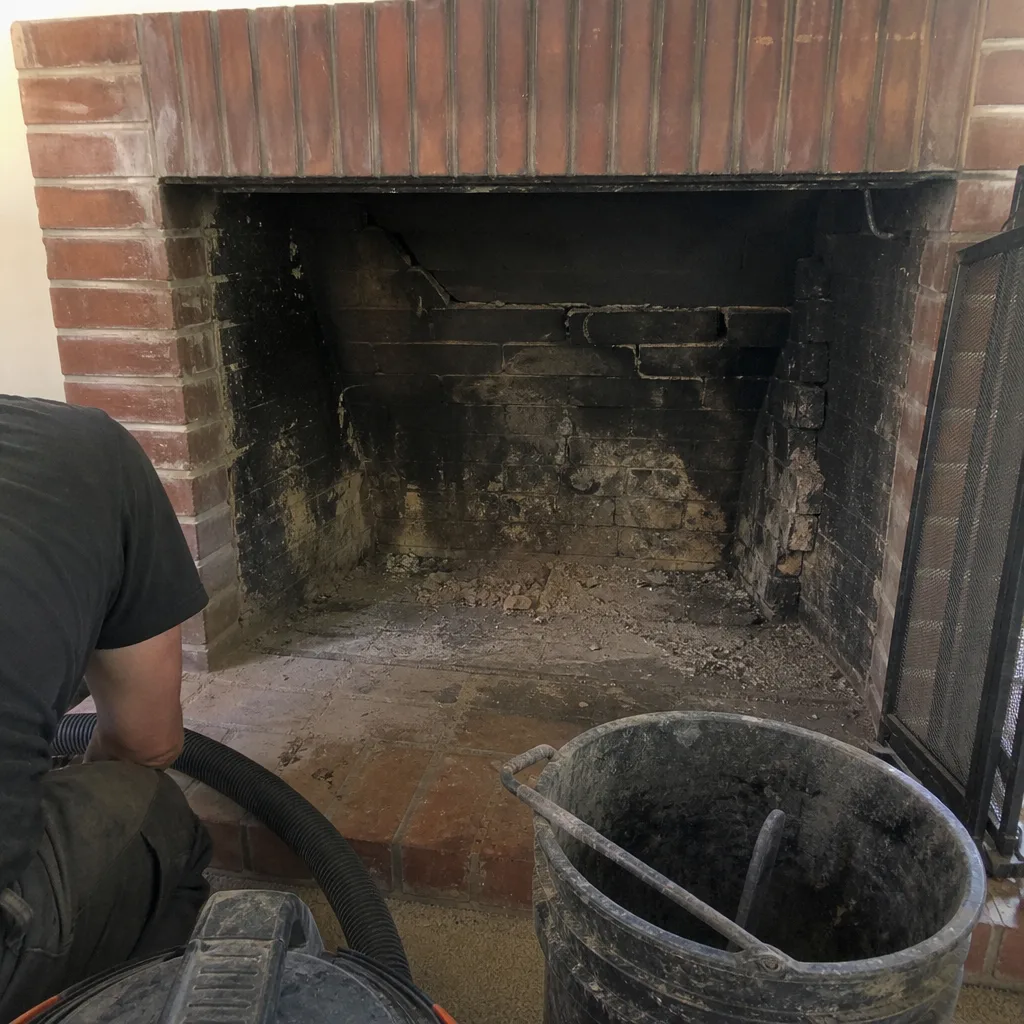 Before
 After
 Before
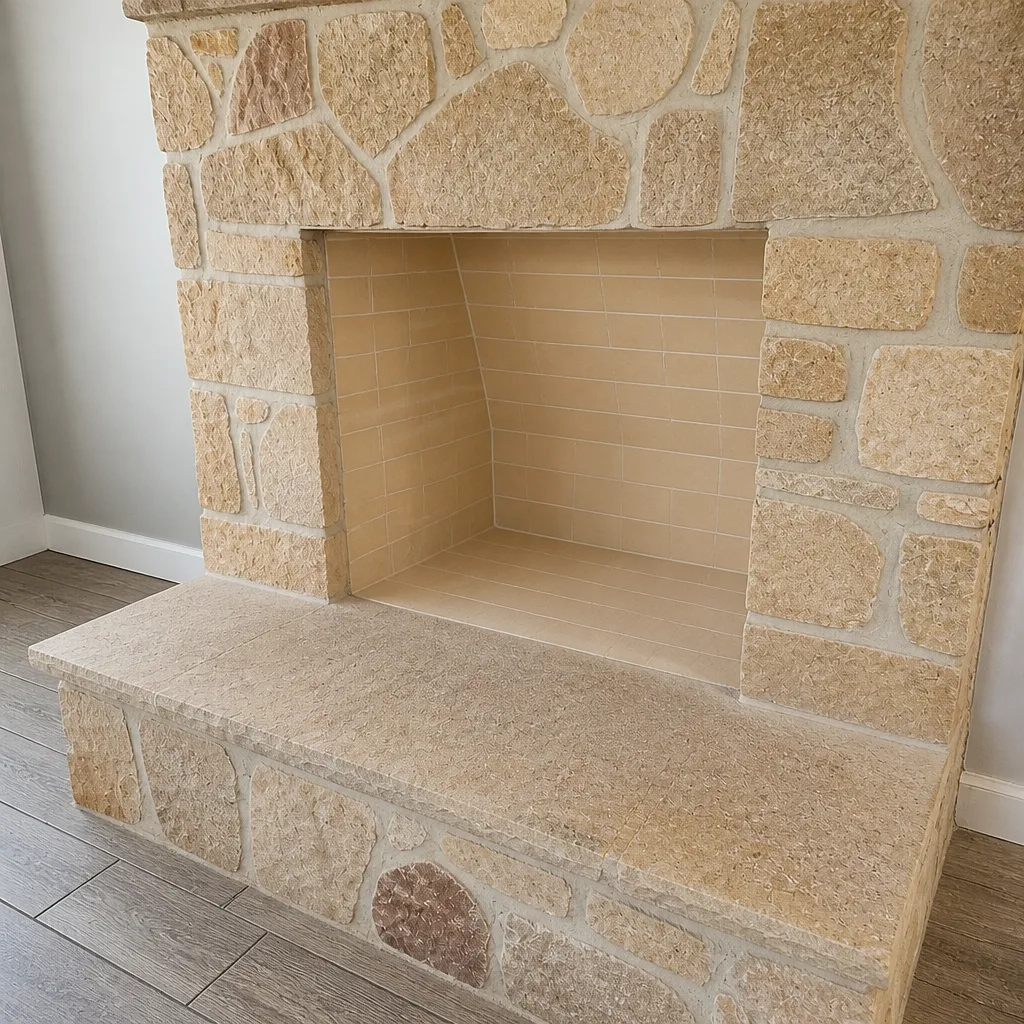 After
When to Call a Professional
Some chimney work is clearly a job for a trained technician: anything involving the liner, the crown structure, the damper mechanism, or the firebox. If you’ve had water staining inside the firebox, a storm that visibly moved the cap, a draft that’s gotten worse, pest activity in the flue, or it’s simply been a few years since the last inspection, that’s your cue to call. Any visible creosote buildup or a fire that smokes back into the room also warrants a professional look before you burn again. Chimney Sweep University Park offers free estimates in University Park. Call (877) 792-6047. We answer 24/7. Fast dispatch from 7am to 7pm, Sunday through Friday. Our technicians have up to 8 years of experience, and we handle everything from the annual sweep to cap and crown repair, so nothing gets bounced to a second contractor.
Frequently Asked Questions
For most University Park households, an annual sweep and inspection is the right baseline, and light users may stretch to every one to two years depending on how much they actually burn. Because occasional low-temperature burning builds sticky creosote quickly per fire, don’t assume a low fire count means you can skip it. When in doubt, have the flue inspected and let the findings set the schedule. Call (877) 792-6047 for an exact quote; estimates are free.
Not after every light drizzle, but after any major storm, yes. A hard rain is the best test of your crown, flashing, and cap, and water intrusion needs to be found and fixed before the next fire, not after the season. A quick crown-and-flashing check after big storms is the habit that prevents the most expensive damage. If you’re not sure what to look for, an inspection gives you a clear answer.
Late summer, ideally in September, is the best time to book. The weather is dry, the October backlog hasn’t formed yet, and any repair the inspection turns up can be finished before the first cold night. Scheduling ahead also means your chimney is ready for the short November-through-February burning season without a scramble. Call (877) 792-6047 to get on the schedule; estimates are free.
It depends on the condition, which is why an inspection comes first. A cracked crown can often be resealed, and cap hardware or screens can be repaired or replaced individually, but badly deteriorated masonry may need more. We use professional-grade cap and crown components from makers like Olympia Chimney and Famco so the repair holds up against the weather. The right answer comes from looking at the actual condition, not guessing.
A flue that sits idle from March through October collects moisture, and that trapped damp air rusts damper components, feeds masonry efflorescence, and invites pest entry at the crown. It’s slow and invisible from inside the house, which is exactly why it’s easy to miss. A summer check while things are dry is the simplest way to catch it early. Call (877) 792-6047 for an exact quote; estimates are free.
Yes, because a sweep cleans the flue while an inspection assesses the whole system, and they’re not the same thing. A clean flue can still have a cracked liner, a failing damper, or a compromised crown. We offer the full-system inspection as a standalone service so it’s a genuine safety check rather than an upsell. If you’ve had water intrusion, a storm, or a draft problem, the inspection is where to start.
The Bottom Line
University Park’s mild climate hides chimney problems rather than preventing them. Light burning builds creosote faster per fire than heavy use, and the long idle season lets moisture, rust, and pests work quietly while the flue sits unused. The fix is a calendar built for this region: inspect after the season, handle crown and cap work while it’s dry in summer, book the sweep before the October rush, and check the crown and flashing after every major storm. One company that handles the sweep, the inspection, the repair, and the cap and crown means no bouncing between contractors. Chimney Sweep University Park is your chimney’s first and last call.
Ready to get ahead of the season? Call (877) 792-6047 for a free estimate. We answer 24/7. Fast dispatch from 7am to 7pm, Sunday through Friday. Our technicians have up to 8 years of experience, and we’ll inspect first and recommend honestly, with camera evidence you can see for yourself.
Written by the team at Chimney Sweep University Park.