
Last updated November 24, 2026
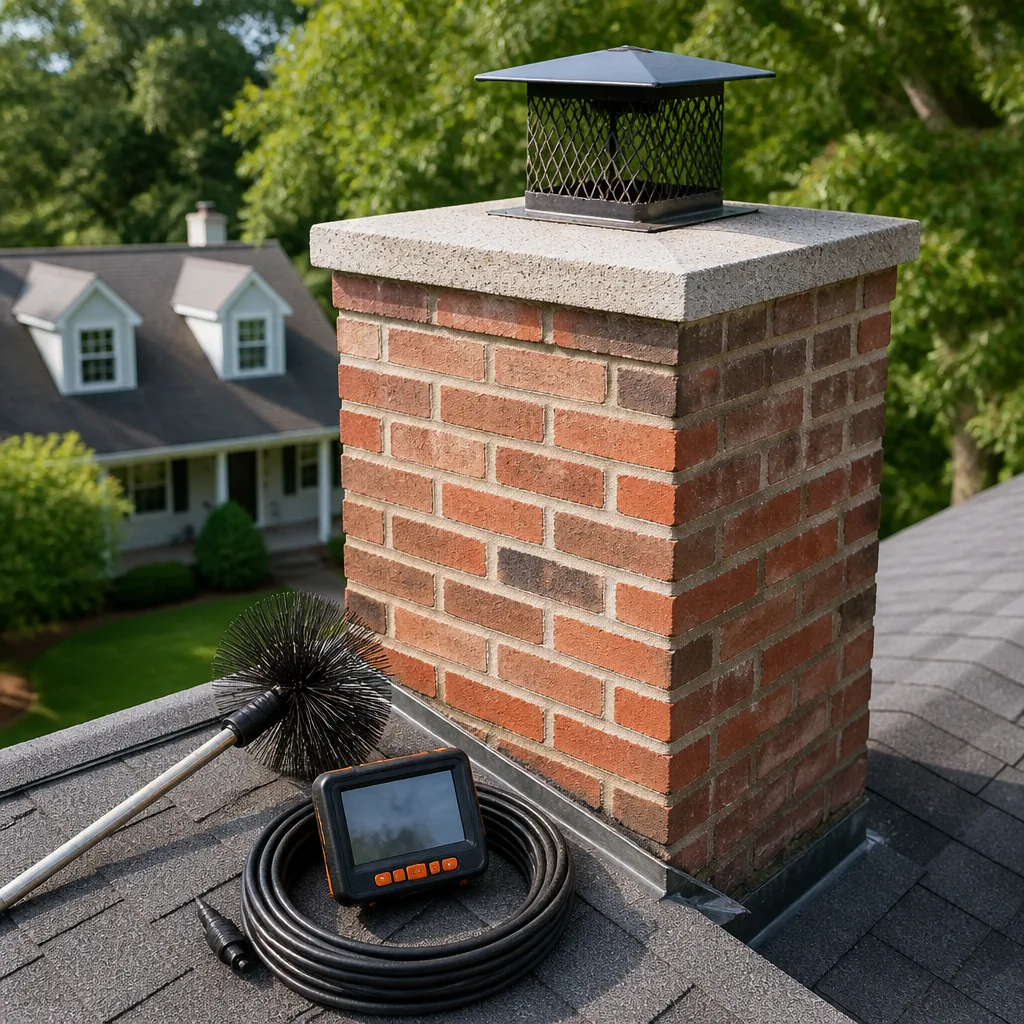 Sweep & inspection
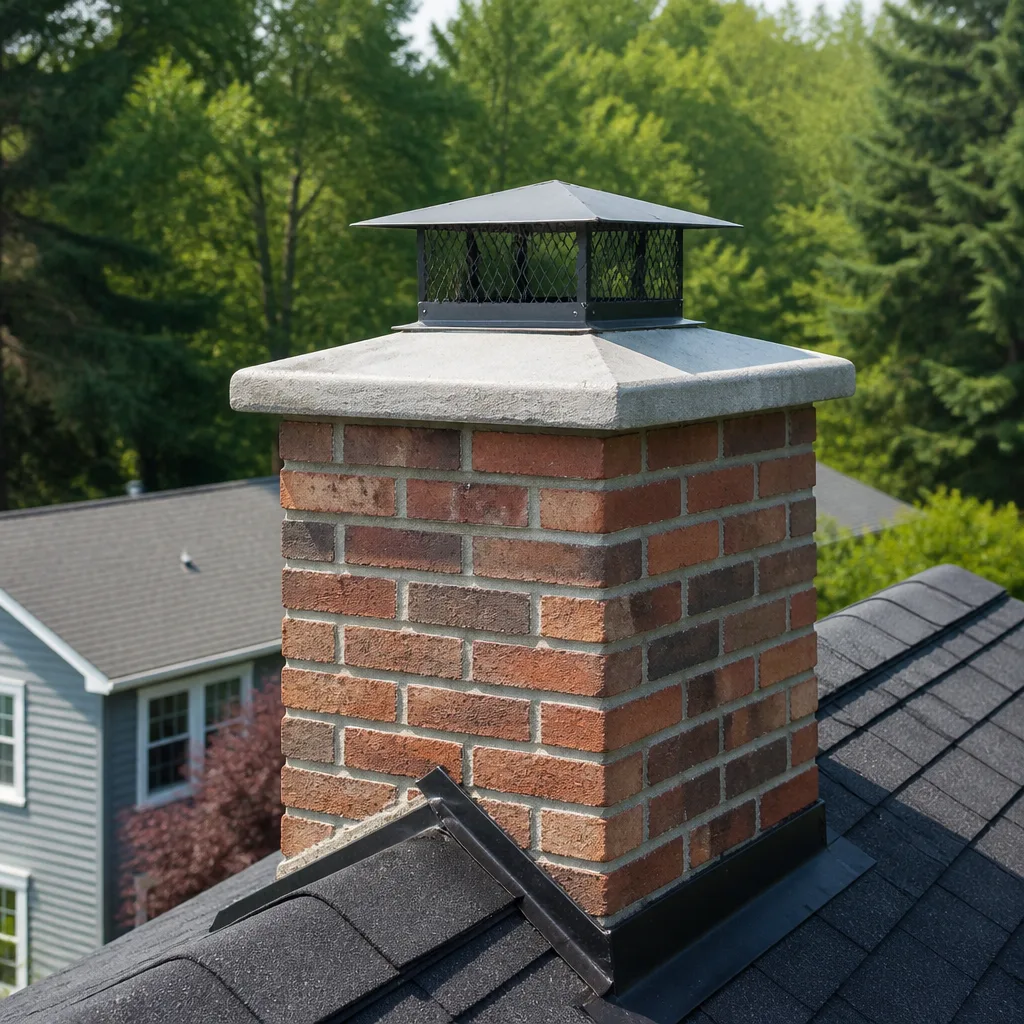 Caps & crowns
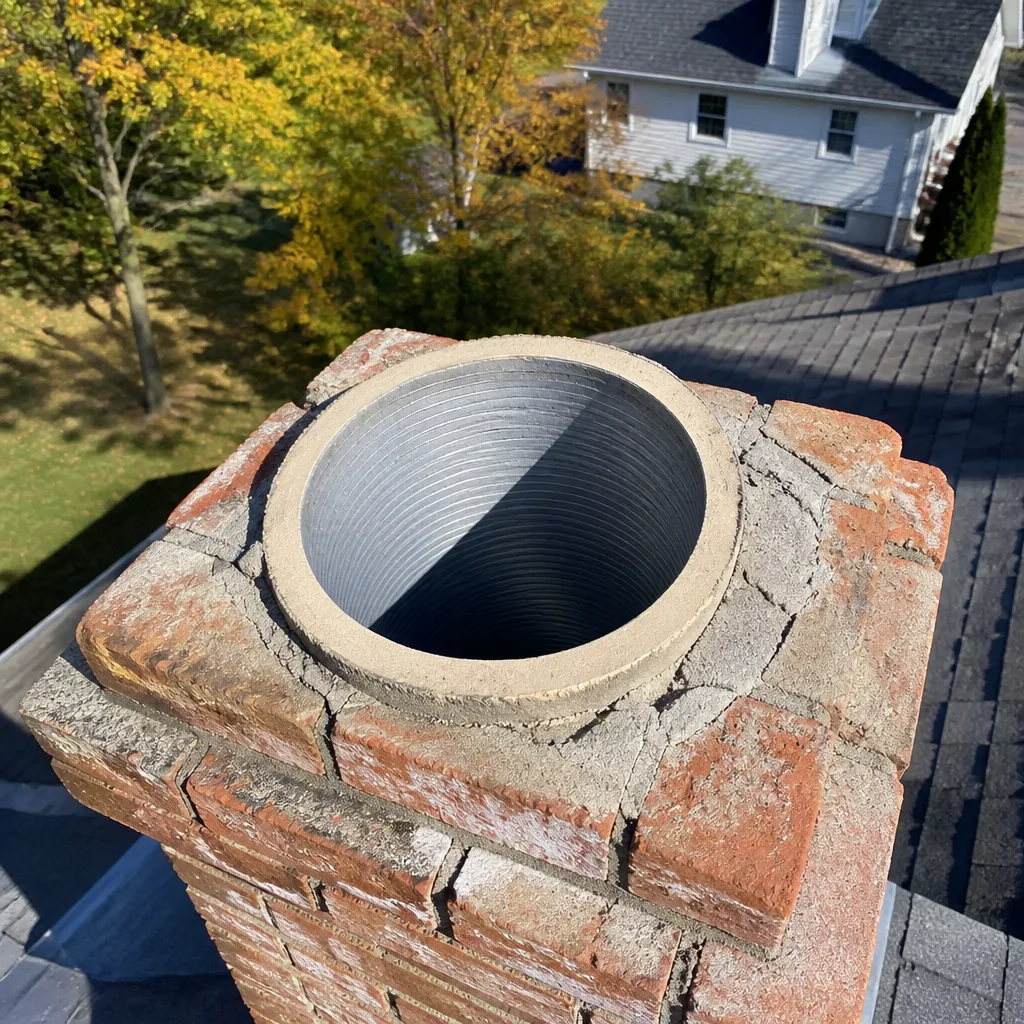 Flue relining
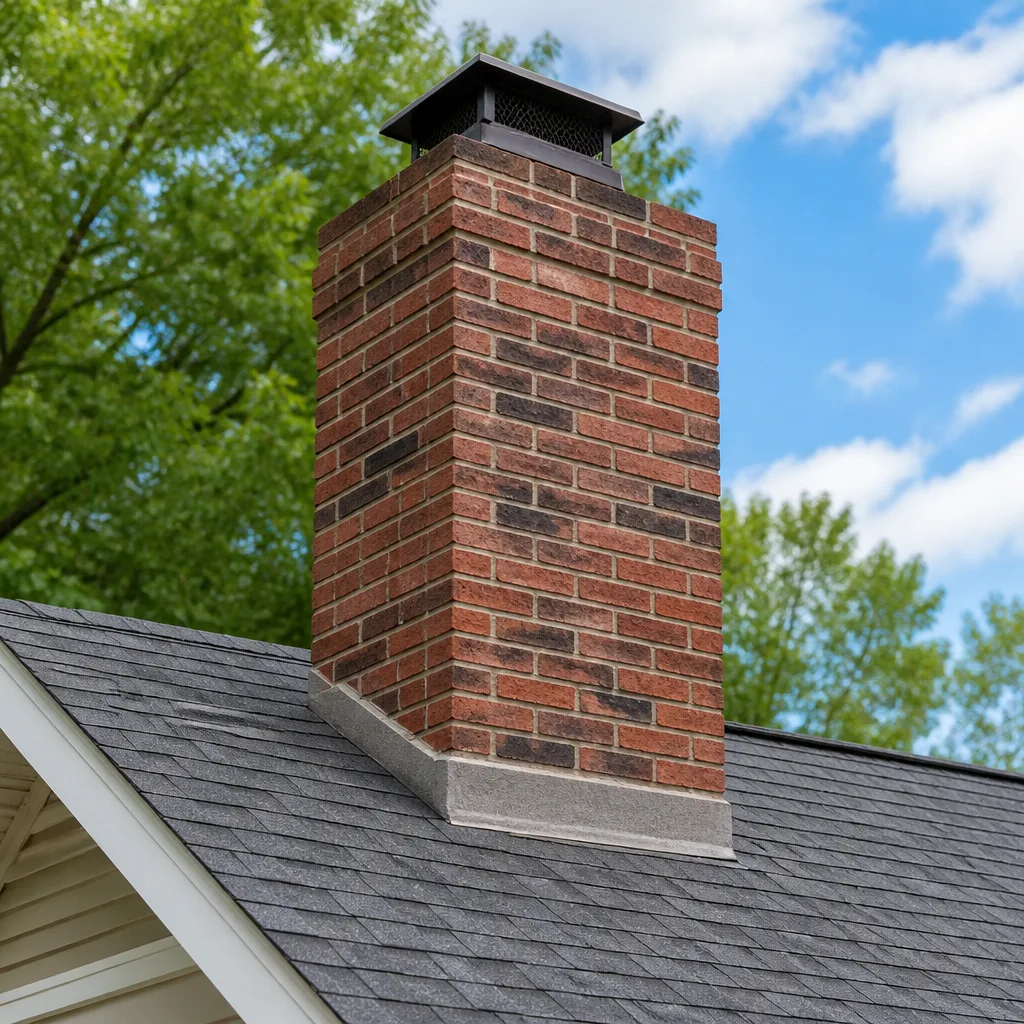 Masonry repair
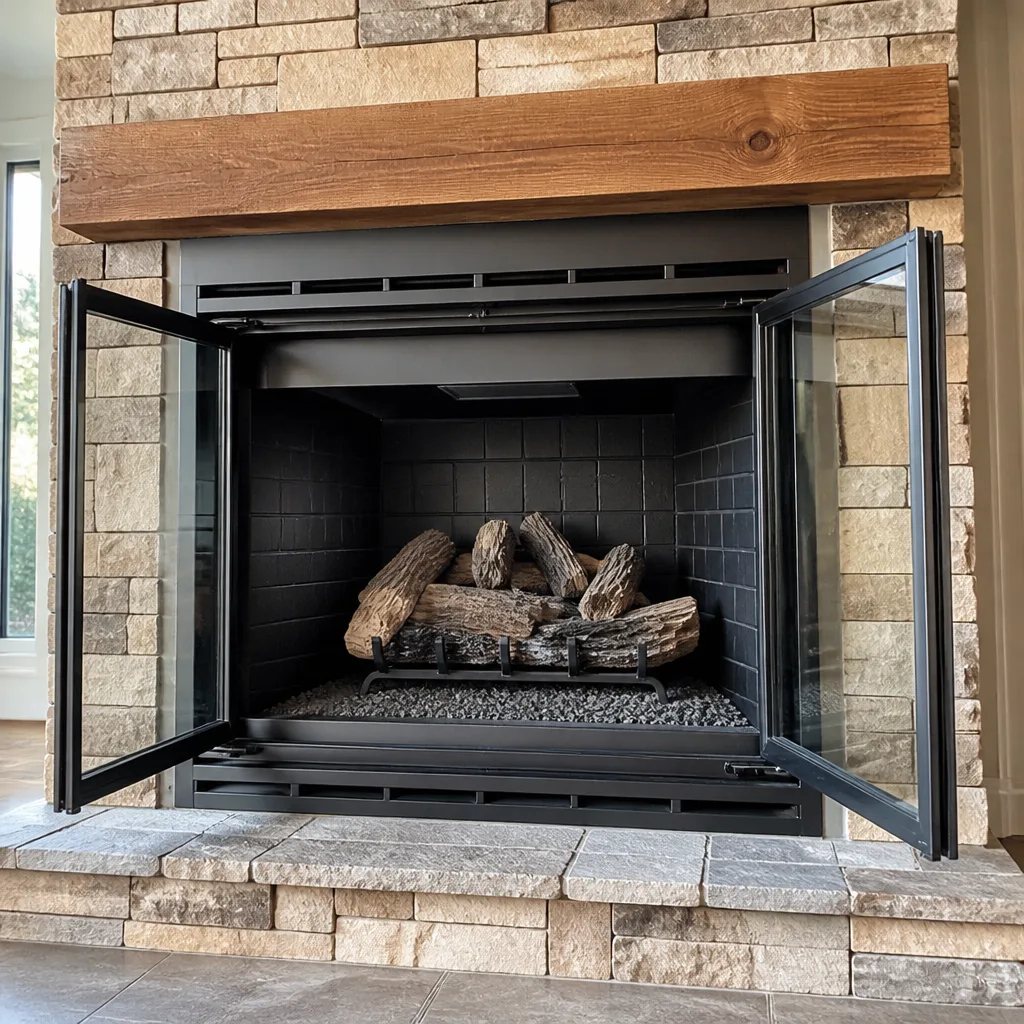 Gas fireplace service
Level 1 sweep and inspection to the NFPA 211 annual standard - flue, crown, cap, and flashing checked and photographed
Chimney sweep logs do not sweep chimneys. They loosen some creosote - which then falls where a brush and vacuum still have to collect it.
Chimney Cleaning Permits, Codes & Inspections in University Park, CA: What You Need to Know
Here’s the part of chimney work almost nobody explains at the kitchen table: routine cleaning rarely needs a permit, but the repair that cleaning often uncovers usually does. In California, swapping a flue liner, rebuilding a firebox, or installing a gas insert is construction work governed by the California Residential Code, and a contractor who skips the permit leaves you holding an installation that isn’t legally recorded. That gap matters later, when you file a fire claim or hand a disclosure packet to a buyer. This guide walks through what’s exempt, what isn’t, which code sections actually apply, and what a real inspection report should contain. We’ll keep it specific to University Park throughout.
Quick Answer
In University Park, CA, routine chimney cleaning and like-for-like cap replacement generally don’t require a permit, but liner replacement, firebox rebuilds, and gas insert installations do, because they fall under the California Residential Code (Section R1003) and NFPA 211. A code-compliant inspection report documents the flue’s condition, the appliance connections, clearances, and any defects with photos, and it’s the document that protects you at resale or in an insurance claim. Unpermitted chimney repairs can be treated as known deficiencies by an insurer, which is why the paper trail matters as much as the work itself.
Styles & brands we work with
- Sweep & inspection
- Caps & crowns
- Flue relining
- Masonry repair
- Gas fireplace service
Table of Contents
- What’s Permit-Exempt and What Isn’t in California
- The Code Sections That Govern Chimney Work: R1003 and NFPA 211
- Los Angeles County’s Jurisdiction Overlay Near University Park
- Level 1, Level 2, Level 3: What Each Inspection Actually Documents
- Why a Level 2 Inspection Is the Minimum Before a Home Sale or Appliance Change
- The Insurance Implication of Unpermitted Chimney Repairs
- What to Ask a Contractor Before Any Chimney Work Begins
- Keeping Records: The File Every University Park Homeowner Should Maintain
What’s Permit-Exempt and What Isn’t in California
Most homeowners assume chimney work is either all permitted or all exempt. The line is actually drawn around whether you’re maintaining what exists or altering the system. Cleaning a flue, sweeping a firebox, or replacing a cap with an identical one keeps the chimney in its original condition. Relining, rebuilding, or adding an appliance changes the system, and that’s where California’s permitting requirements attach.
Here’s how the split usually falls:
- Usually exempt: routine sweeping and cleaning, visual inspection, replacing a damaged cap with a like-for-like cap, minor mortar touch-up at the crown, and removing creosote.
- Usually requires a permit: installing or replacing a flue liner (including a flexible liner system like DuraFlex), rebuilding a firebox or smoke chamber, installing a gas insert or changing fuel type, structural repair to the chimney chase, and any change to the height or termination of the flue.
Two caveats. First, “usually” is doing real work in that list: local building departments interpret the state code, and some are stricter than others about what counts as repair versus alteration. Second, the permit is typically the contractor’s responsibility to pull, not yours. If a contractor tells you a liner swap “doesn’t need a permit,” ask which jurisdiction they checked and get the answer in writing. In our experience, that question alone separates the trades who work to code from the ones who work around it.
For University Park homeowners, the practical takeaway is that the cleaning visit is the easy part. The decision point comes when the sweep hands you a report recommending relining or firebox repair, because that recommendation crosses from maintenance into permitted work. The Chimney Sweep University Park approach is to inspect first and separate the two clearly, so you know which line item is housekeeping and which one involves a building permit and an inspection.
The Code Sections That Govern Chimney Work: R1003 and NFPA 211
California Residential Code Section R1003 is the state’s adopted chapter on chimneys and fireplaces. It addresses flue sizing, liner requirements, clearance to combustibles, hearth extensions, and the termination height of the chimney above the roof. NFPA 211, the Standard for Chimneys, Fireplaces, Vents, and Solid Fuel-Burning Appliances, is the national consensus standard that fills in the details R1003 references. When a building inspector reviews a chimney job, those two documents are what they’re checking against.
What does that mean in practice? A few examples of what a code-compliant installation looks like:
- The flue liner is continuous from the appliance connection to the top of the chimney, with no gaps or misaligned sections.
- The liner is listed and labeled for the appliance and fuel type it serves.
- Clearances to combustible framing meet the code minimum, which often requires a documented look inside the attic or chase.
- The chimney terminates at the required height above the roof line and nearby roof structures.
- The crown slopes away from the flue to shed water, and the cap keeps rain and animals out without blocking the flue.
Those items are what an inspector verifies, and they’re also what a proper inspection report should document. A report that says “chimney looks fine” isn’t a code-referenced document. A report that notes liner condition, clearance measurements, crown condition, and photographs of each finding is. We work with HeatShield resurfacing and DuraFlex liner systems because both are recognized trade products that can be installed to meet these code requirements; a resurfacing job on a deteriorating but structurally sound flue can restore the liner surface without a full replacement, which is the “restore before you replace” path when the inspection supports it.
Los Angeles County’s Jurisdiction Overlay Near University Park
University Park sits inside the city of Los Angeles, but the surrounding map is patchwork: incorporated city here, unincorporated county there. That distinction changes who reviews your chimney permit. In the city of Los Angeles, the Department of Building and Safety handles residential permits and inspections. In unincorporated county areas, LA County Public Works Building and Safety is the permitting authority, and the county fire department’s code requirements can layer on top for certain installations.
Why does that matter for a chimney? Because the county fire code and the California Building Code both touch on chimney systems, and the two documents answer slightly different questions. The building code governs how the chimney is constructed: liner, clearances, termination. The fire code governs how the appliance and the chimney interact in the interest of fire prevention, including things like spark arrestors and the condition of the flue serving a solid-fuel appliance. A job that satisfies one and not the other can still fail inspection.
For a University Park homeowner, the practical questions to ask before any permitted chimney work:
- Is my property inside the city of Los Angeles or in unincorporated LA County? The answer determines which department reviews the permit.
- Does the scope of work include anything the fire code touches, such as a new cap or spark arrestor on a wood-burning flue?
- Will the contractor pull the permit under their license, or is the homeowner being asked to pull it as an owner-builder?
We don’t pull permits on our own account for work a local pro performs, but we can tell you which jurisdiction your address falls under and what the scope of work will require. That’s the kind of question a homeowner should be able to ask any chimney contractor without getting a vague answer. If you’re starting from a routine chimney sweep and the report shows a repair, that’s the moment to settle the permit question, not after the work is done.
Level 1, Level 2, Level 3: What Each Inspection Actually Documents
NFPA 211 defines three inspection levels, and knowing which one you’re paying for prevents a lot of confusion. A Level 1 inspection is the visual check that typically accompanies an annual cleaning. A Level 2 inspection goes further, using a camera to examine the interior of the flue and documenting clearances and accessible portions of the chimney. A Level 3 inspection is invasive and is reserved for cases where a hazard is suspected in a concealed area.
Here’s how the three compare:
- Level 1: Visual, with the chimney in its normal operating condition, no tools required beyond a flashlight and basic access. Appropriate when the appliance and fuel type are unchanged and there’s no known problem.
- Level 2: Everything in Level 1 plus a video scan of the flue interior, inspection of accessible attic and crawlspace areas for clearances, and documentation of the chimney’s condition. Required after a chimney fire, after a change in appliance or fuel type, and at a property transfer.
- Level 3: Everything in Level 2 plus removal of portions of the chimney or building finish where access requires it. Used when a Level 1 or 2 inspection finds evidence of a concealed problem.
What a code-compliant report from any of these levels should contain: the date, the address, the inspection level performed, the appliance type and fuel, a description of the flue and liner condition, clearances observed, photographic or video evidence of each finding, and a clear statement of what needs attention versus what can wait. If a report lacks photos, it’s hard to verify, and hard to verify is hard to defend at resale. Our technicians have up to 8 years of experience, and the inspection reports they work from meet that documentation standard because the report is what protects the homeowner.
Why a Level 2 Inspection Is the Minimum Before a Home Sale or Appliance Change
Two situations force a Level 2 inspection under NFPA 211: a change in the appliance or fuel type, and a property transfer. The reason is the same in both cases. The inspector needs to know the flue is compatible with what’s being connected to it, and the only way to know that is to look inside it.
For a University Park home sale, this shows up on the disclosure side. A buyer’s inspector will often flag the fireplace, and the seller then needs a documented answer to the question “is this chimney safe and to code?” A Level 2 report with photos answers that question. A verbal “it was swept last year” doesn’t. The same applies when a homeowner converts a wood-burning fireplace to gas: the liner requirements for a gas insert differ from a wood appliance, and the inspection is what confirms the flue is correctly sized and lined for the new appliance. Installing a gas insert without that check is one of the more common unpermitted chimney jobs we run across, and it’s also one of the more consequential at claim time.
If you’re in that position, the sequence should be:
- Get a Level 2 inspection before the appliance is selected or ordered, not after.
- Review the report with the contractor and confirm whether the existing liner can serve the new appliance.
- Pull the permit for the installation if the report shows a liner change is needed.
- Keep the inspection report, the permit, and the installation documentation together in one file.
That file is worth more than most people realize. It’s what you hand over at resale, and it’s what supports you if a claim is ever questioned. We offer inspection as a standalone service precisely because it should come before any recommendation, not be bundled into a repair quote. If a fireplace repair is part of the picture, the inspection establishes what actually needs repair first.
The Insurance Implication of Unpermitted Chimney Repairs
An unpermitted chimney repair can be classified as a known deficiency by a homeowner’s insurer, and a known deficiency is one of the few things that can reduce or deny a fire loss claim. That’s the sentence worth re-reading. The risk isn’t primarily about the work being unsafe; it’s about the paper trail showing you knew about a non-compliant condition and didn’t correct it through the proper process.
The mechanism works like this. When you file a fire claim involving the chimney, an adjuster will want the chimney’s service history: inspections, permits, installation records. If the flue was relined without a permit, there’s no inspection record showing the liner met code. If the contractor’s invoice describes the work but there’s no permit on file, the adjuster has a gap to work with. At that point the question becomes whether the condition was disclosed and whether the repair was done to code, and an unpermitted job can’t answer that cleanly.
The same logic applies at resale. A buyer’s inspector who finds an unpermitted liner or firebox rebuild will want it documented or corrected, and that conversation is far easier when the paperwork exists. The fix, in most cases, is simple: pull the permit before the work, get the inspection, keep the record. For University Park homeowners who’ve inherited an unpermitted repair from a previous owner, the path forward is a Level 2 inspection to establish the current condition, followed by any correction the report identifies. We can work with your insurer, but we can’t reconstruct a permit history that was never created. That’s why we push the inspection first and the paperwork alongside it.
What to Ask a Contractor Before Any Chimney Work Begins
Most chimney problems we see at the quoting stage aren’t technical. They’re communication gaps about scope and permits. A few direct questions sort them out before money changes hands.
- Which inspection level will you perform, and does the report include photos of every finding? If the answer is “we’ll take a look,” that’s a Level 1 at best, and it may not be enough for a permit or a resale disclosure.
- Does this scope of work require a permit in my jurisdiction, and will you pull it? The right answer names the department and the code basis.
- What will the installation be, in product terms? A liner is not a generic thing. Ask whether the proposed system is a listed product like DuraFlex for the flue, or whether resurfacing such as HeatShield is appropriate for your liner’s condition. A cap or crown replacement should name the hardware line, whether that’s Gelco or Olympia Chimney.
- Can you show me the evidence for the recommendation before I authorize the work? The report with photos is the evidence. A recommendation without it is a guess.
- What can safely wait? A good contractor will tell you which items on the report are urgent and which ones can be scheduled later. If everything on the list is an emergency, ask for the photos again.
We handle sweeping, inspection, fireplace repair, chimney repair, and chimney cap & crown work from the same team, which makes questions three and five easier to answer honestly. We’re not referring the repair out to someone else who has an incentive to recommend a bigger job than the photos support. Professional-grade materials matter here, and so does the report that justifies them.
Keeping Records: The File Every University Park Homeowner Should Maintain
A chimney file isn’t complicated, but it pays for itself in ways that are easy to underestimate. Think of it as the record you’d want in three scenarios: an insurance claim, a home sale, and a warranty question on a new liner or cap. In each case the question is the same, and the answer is the paper.
- Every inspection report, with the level noted and photos attached.
- Every permit number and the final inspection sign-off for permitted work.
- Installation documentation for any liner, cap, crown, or appliance, including the product name and the date of installation.
- Service records for routine cleaning, dated, so the maintenance history is visible.
- Any contractor correspondence about recommended work that you chose to defer, and the reason.
The deferred-work note is the one most people skip, and it’s the one that matters most. If a Level 2 report flagged a liner issue and you decided to wait a season, having that decision documented, with the reason, shows it was a considered judgment rather than neglect. That’s the difference between a known deficiency and a documented maintenance plan. Our technicians have up to 8 years of experience working with University Park homeowners, and the pattern we see is that the ones with a file are the ones who have the easiest conversations with insurers and buyers.
Common Mistakes to Avoid
- Assuming a cleaning covers the permit question. Sweeping and permitting are separate conversations. A sweep that doesn’t flag the repair work for a permit leaves the next step on you.
- Letting a contractor reline without pulling a permit. The liner may look fine on the day it’s installed, but the missing inspection record is the problem months or years later.
- Skipping the Level 2 before a gas insert. Changing fuel type is one of the triggers for a Level 2 inspection under NFPA 211, and it’s also one of the most common unpermitted installations we see.
- Accepting a verbal inspection report. If the report doesn’t show photos of the flue interior and the clearances, you have no way to verify the recommendation or defend it later.
- Not checking which jurisdiction you’re in. University Park addresses near the city/county boundary can fall under different permitting authorities, and the permit path differs.
- Ignoring the crown. Crown and cap work is cheap compared with the water intrusion damage that a failed crown allows, and addressing it during a permitted job is more efficient than a separate call later.
- Throwing away the paperwork after the job. The file is the proof. Without it, the work may as well have not been permitted.
See the difference
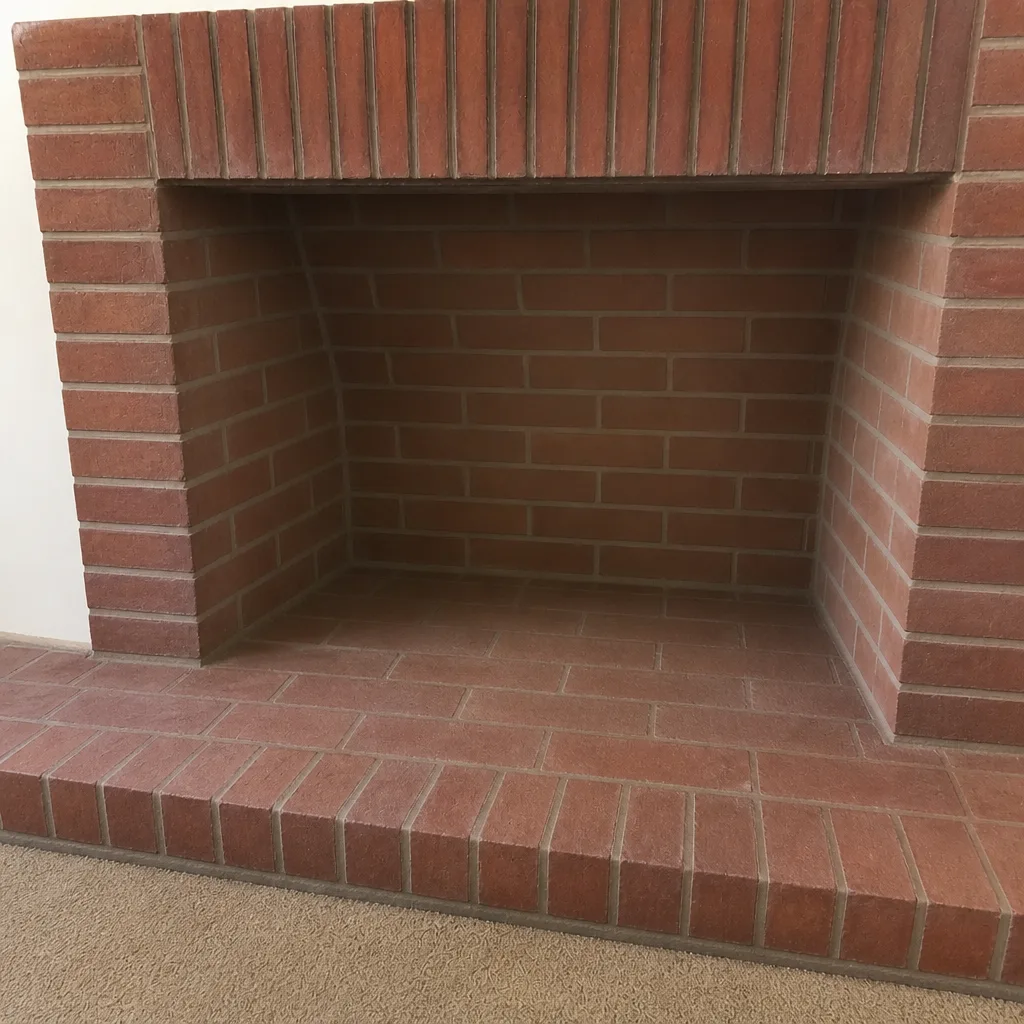
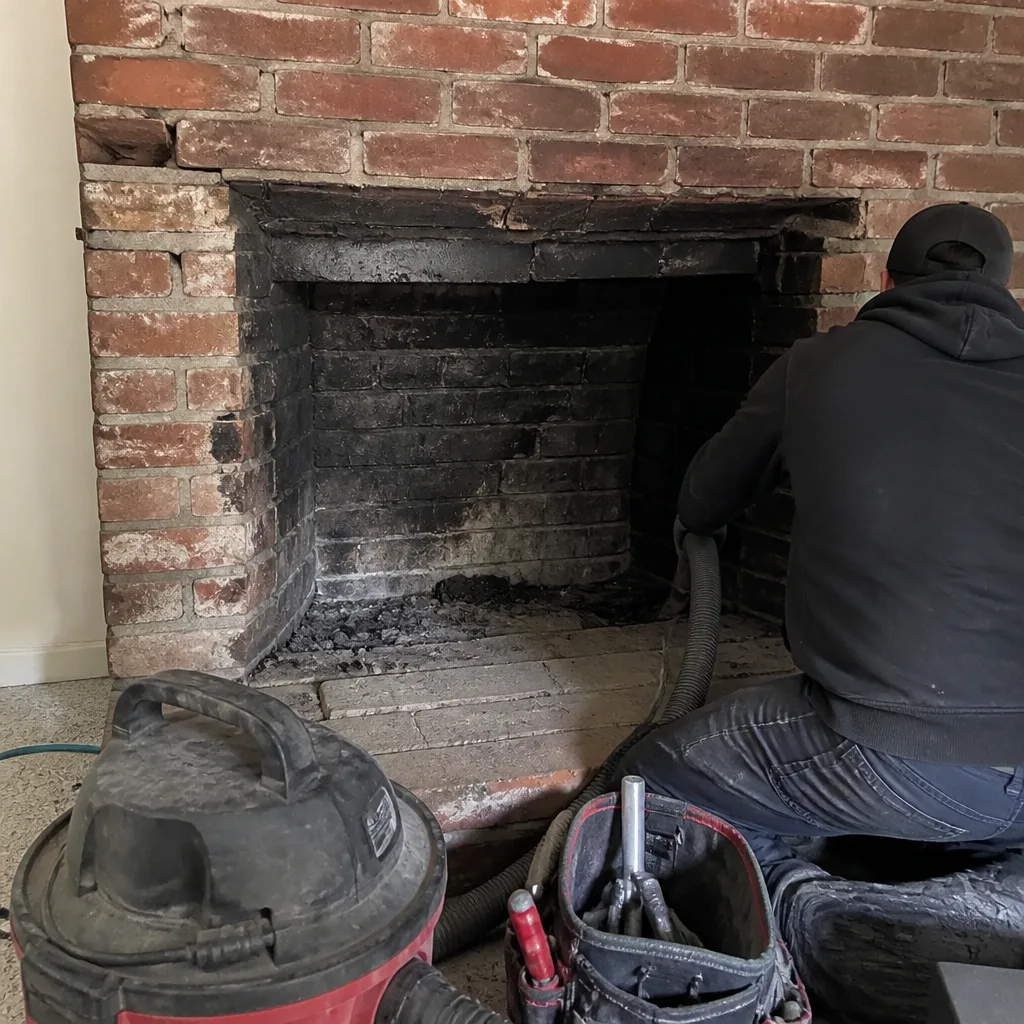 Before
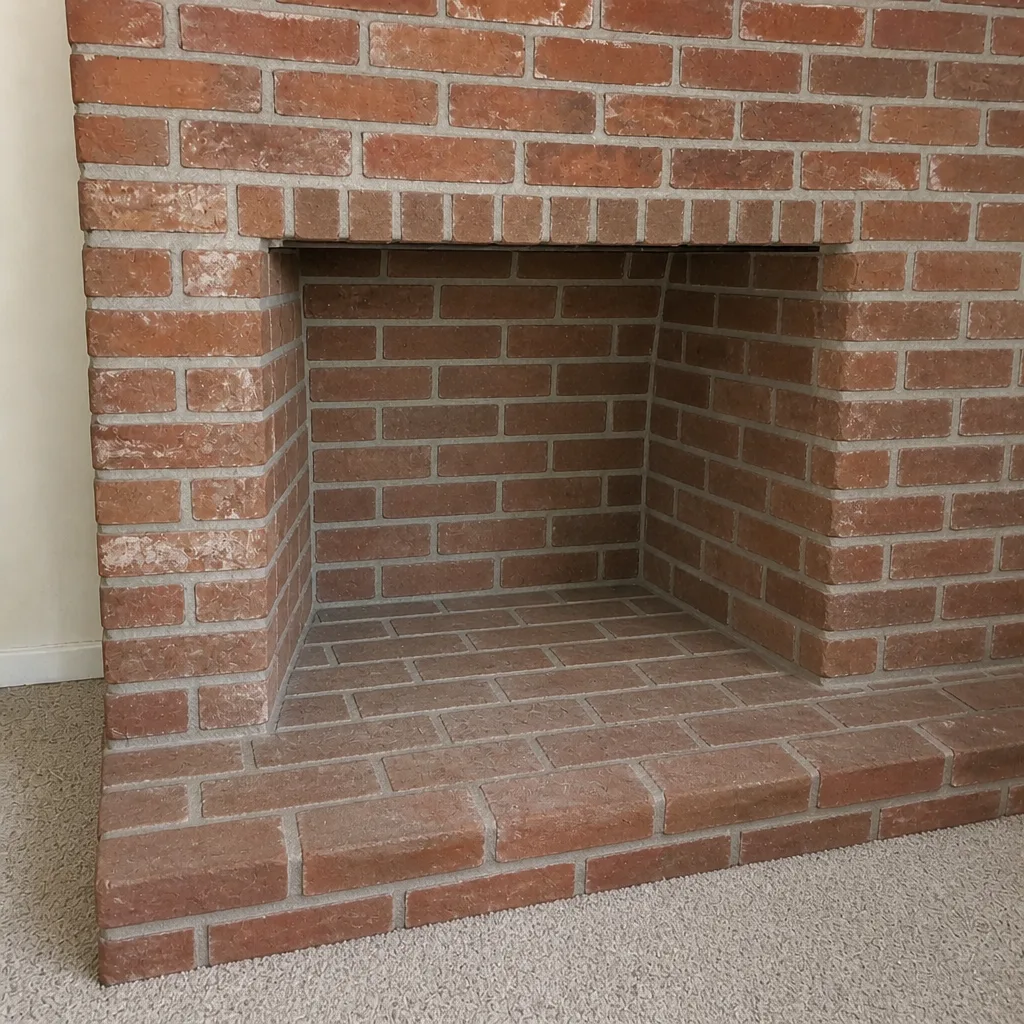 After
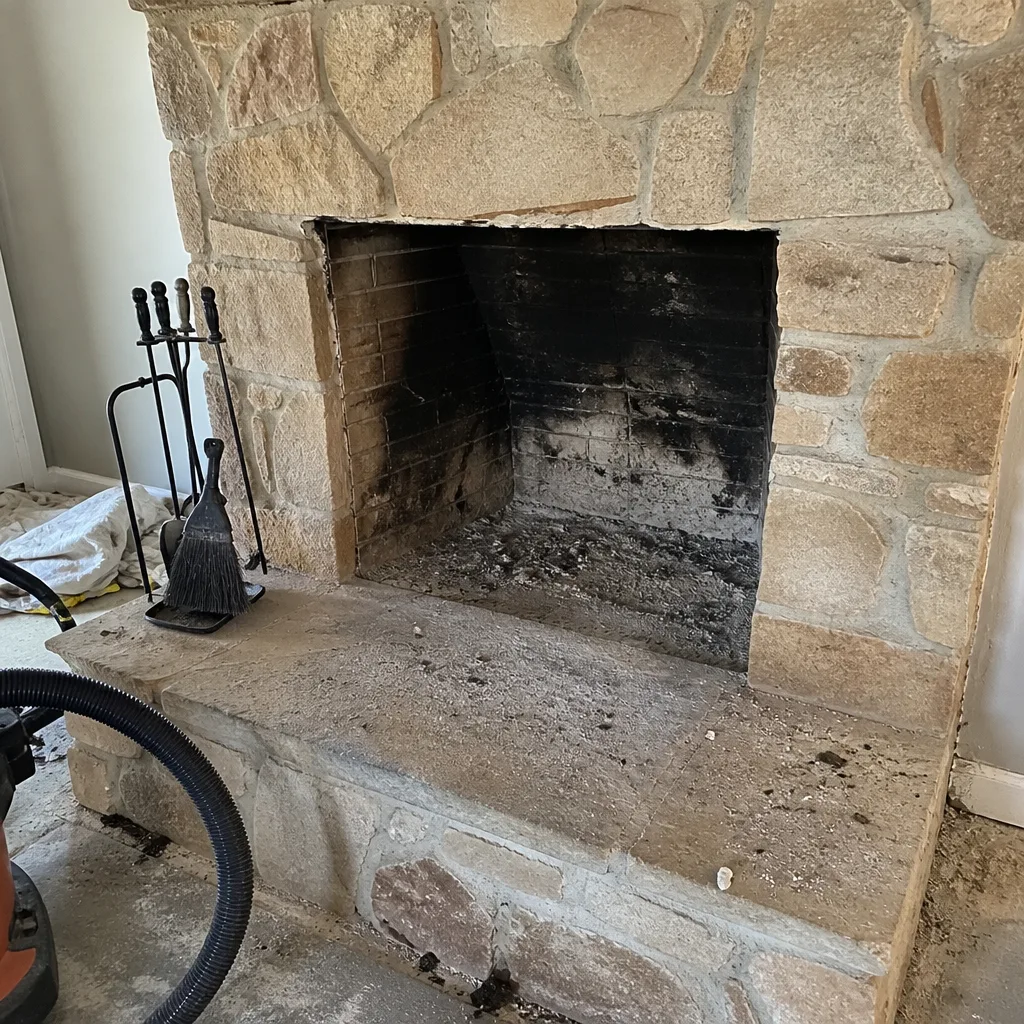
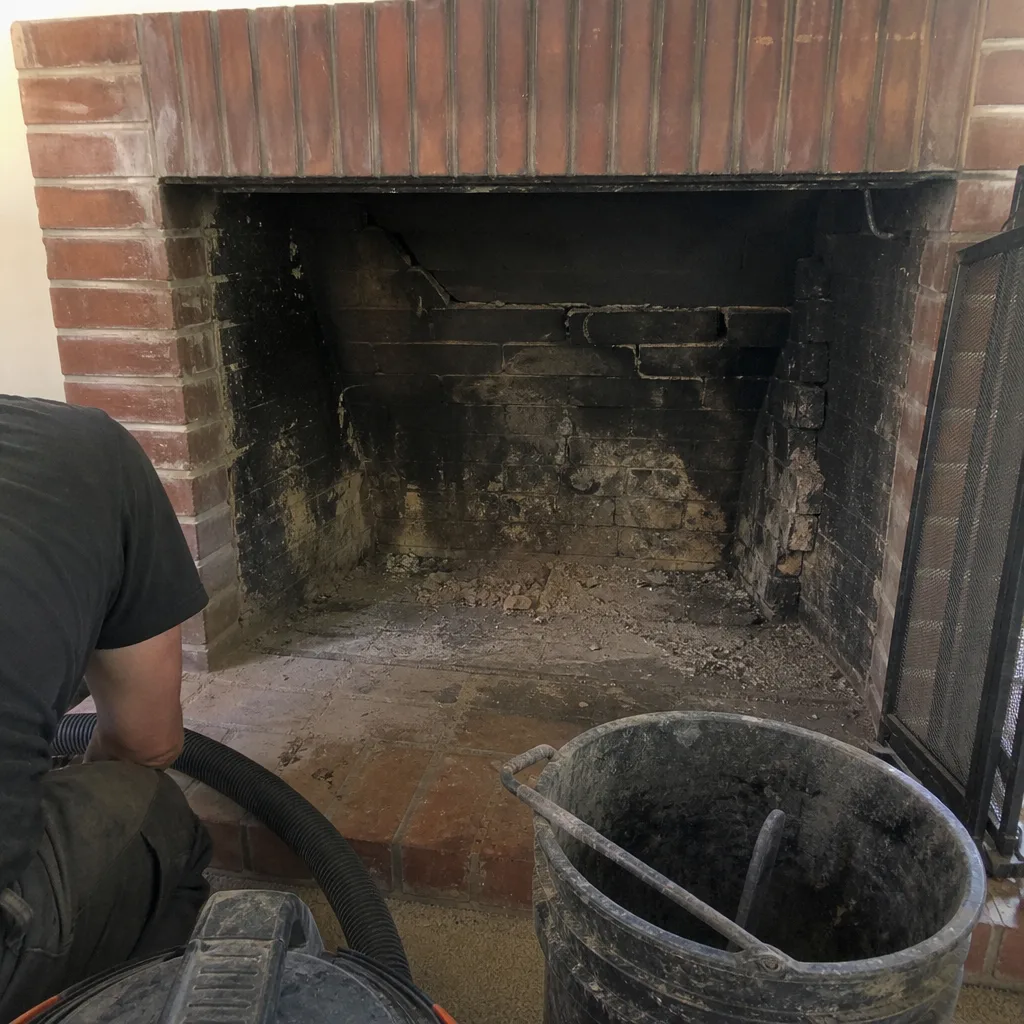 Before
 After
 Before
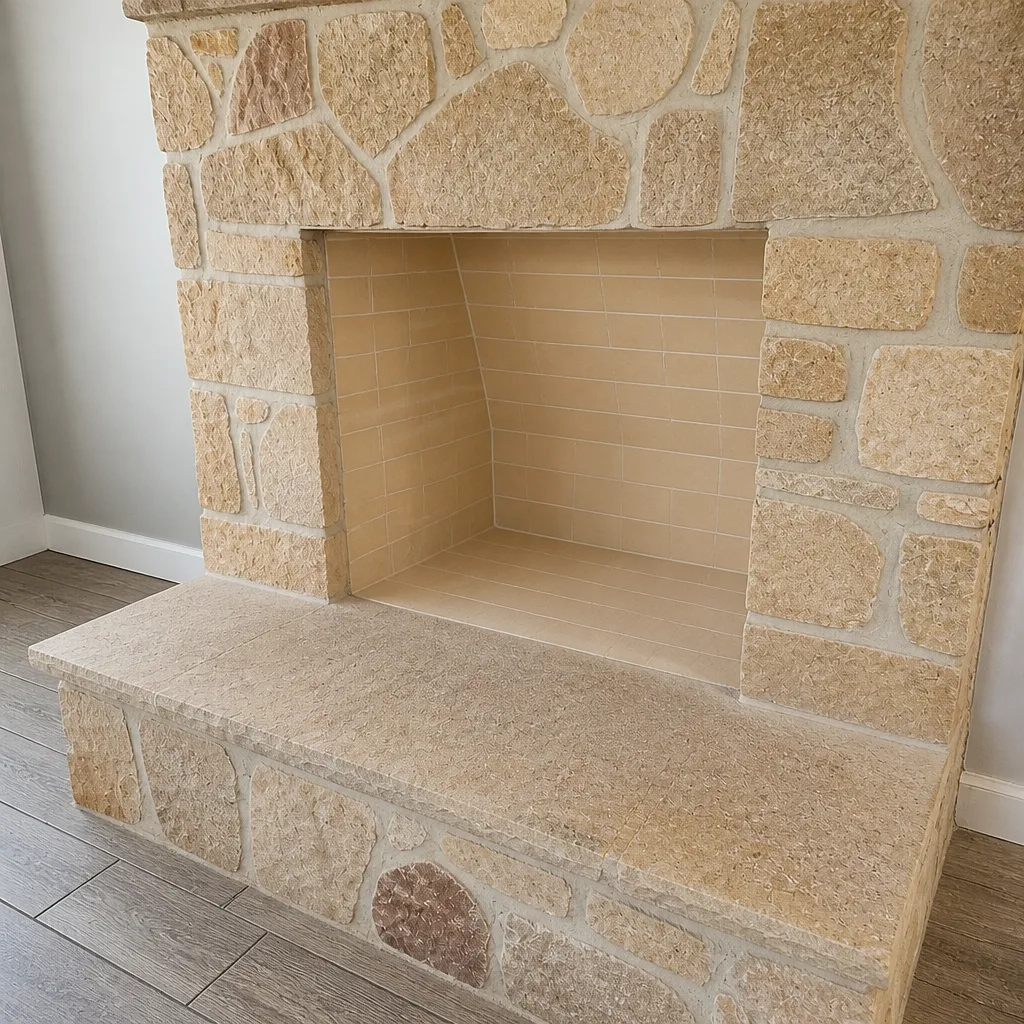 After
When to Call a Professional
Call us if any of the following describes your situation. The flue has never been inspected and you’ve been burning wood for several seasons. A previous owner had chimney work done and you don’t have the permits or reports. You’re preparing to sell and need a Level 2 inspection documented for disclosure. You’re adding a gas insert, changing fuel type, or replacing a liner, all of which trigger permit and inspection requirements. The crown is cracked, the cap is missing or damaged, or water is getting into the chase. Or a recent report recommended work you’re not sure you need and want a second look at the evidence. Chimney Sweep University Park offers free estimates in University Park. Call (877) 792-6047. We answer 24/7. Fast dispatch from 7am to 7pm, Sunday through Friday.
Frequently Asked Questions
No, routine chimney cleaning in University Park doesn’t require a permit, because sweeping maintains the existing system rather than altering it. Permits are triggered by work that changes the system, such as liner replacement, firebox rebuilds, or gas insert installations. If your sweep recommends one of those, that’s when the permit conversation should start. Call (877) 792-6047 for an exact quote on inspection, and the estimate is free.
Yes, replacing a chimney liner generally requires a permit in California because a liner replacement is an alteration to the chimney system governed by California Residential Code Section R1003. The permit is typically pulled by the contractor performing the work, and the job is inspected afterward. An installer who says no permit is needed for a liner swap is worth questioning. Call (877) 792-6047 and we’ll walk you through what your address requires.
A Level 1 inspection is a visual check performed with the chimney in normal operating condition, while a Level 2 inspection adds a video scan of the flue interior plus a check of accessible clearances and a documented report with photos. A Level 2 is required after a chimney fire, after a change in appliance or fuel type, and at a property transfer. For a home sale or a new gas insert in University Park, a Level 2 is the minimum standard. Call (877) 792-6047 to book an inspection.
Yes, unpermitted chimney work can be treated as a known deficiency by an insurer, which can reduce or deny a fire loss claim involving the chimney. The issue is the missing inspection record, not just the work itself, because without a permit and inspection there’s no documentation that the installation met code. Getting the permit before the work is the cleanest way to avoid the problem. Call (877) 792-6047 with questions about your situation.
It depends on the specific address, because University Park sits in the city of Los Angeles while nearby unincorporated areas fall under LA County Public Works Building and Safety. The city and county each review permits, and the LA County Fire Code can also apply to certain chimney installations in unincorporated areas. We can tell you which jurisdiction your address falls under. Call (877) 792-6047 for an exact quote, and the estimate is free.
A chimney should be inspected annually, and an inspection itself never requires a permit because it’s a diagnostic service, not construction. The inspection often identifies whether permitted work is needed, such as a liner correction or a crown repair. Annual inspection is also what builds the paper trail insurers and buyers look for. Call (877) 792-6047 to schedule one, and we’ll explain what the report will cover.
The Bottom Line
The permit question isn’t paperwork for its own sake. It’s the thing that determines whether your chimney repair is legally installed, insurable, and defensible at resale. Routine cleaning stays exempt, but liner replacement, firebox rebuilds, gas insert installations, and structural chimney repairs in University Park trigger California Residential Code Section R1003 and the NFPA 211 framework, with LA County’s overlay applying depending on your address. A Level 2 inspection with photos is the document that ties it all together, and it should come before the recommendation, not after. Inspect first, permit the work that needs it, and keep the file. That’s the whole strategy. Call (877) 792-6047. We answer 24/7. Fast dispatch from 7am to 7pm, Sunday through Friday.
Written by the team at Chimney Sweep University Park.