
Last updated November 24, 2026
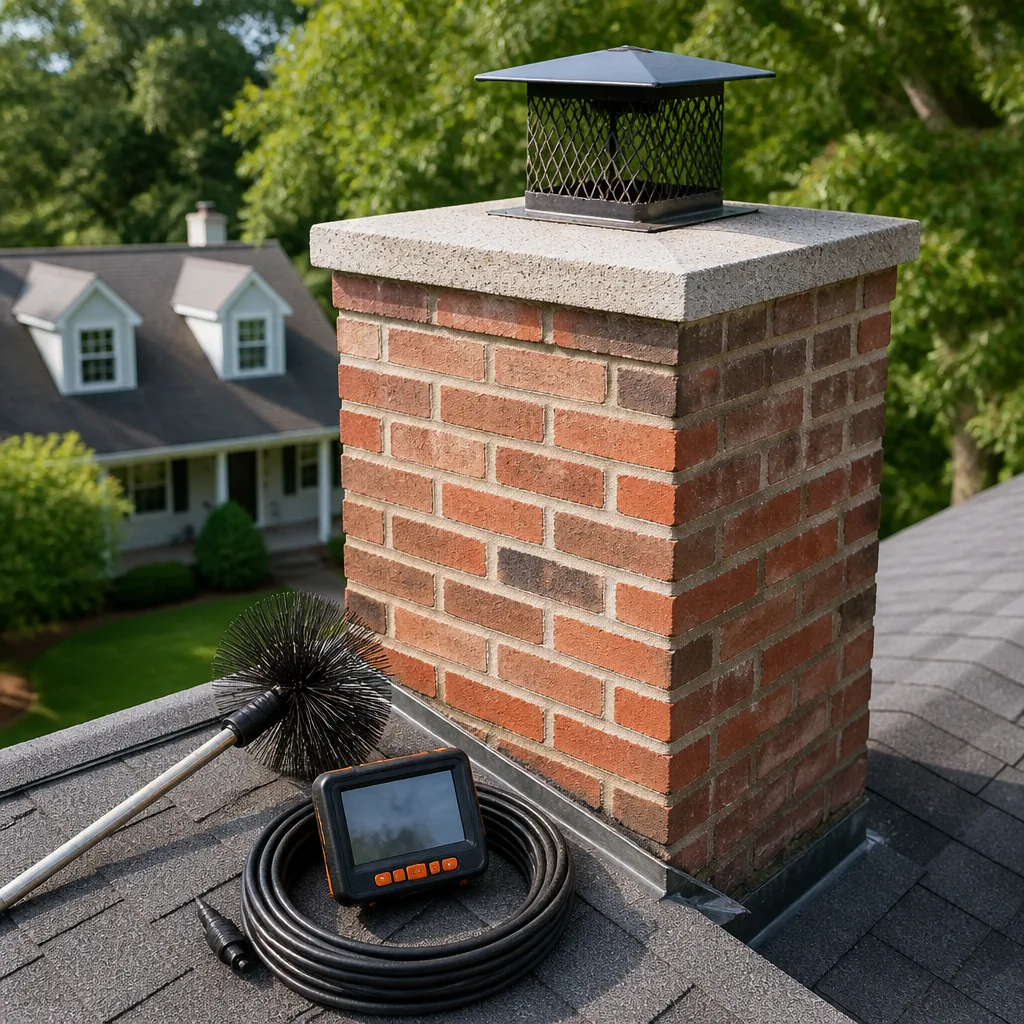 Sweep & inspection
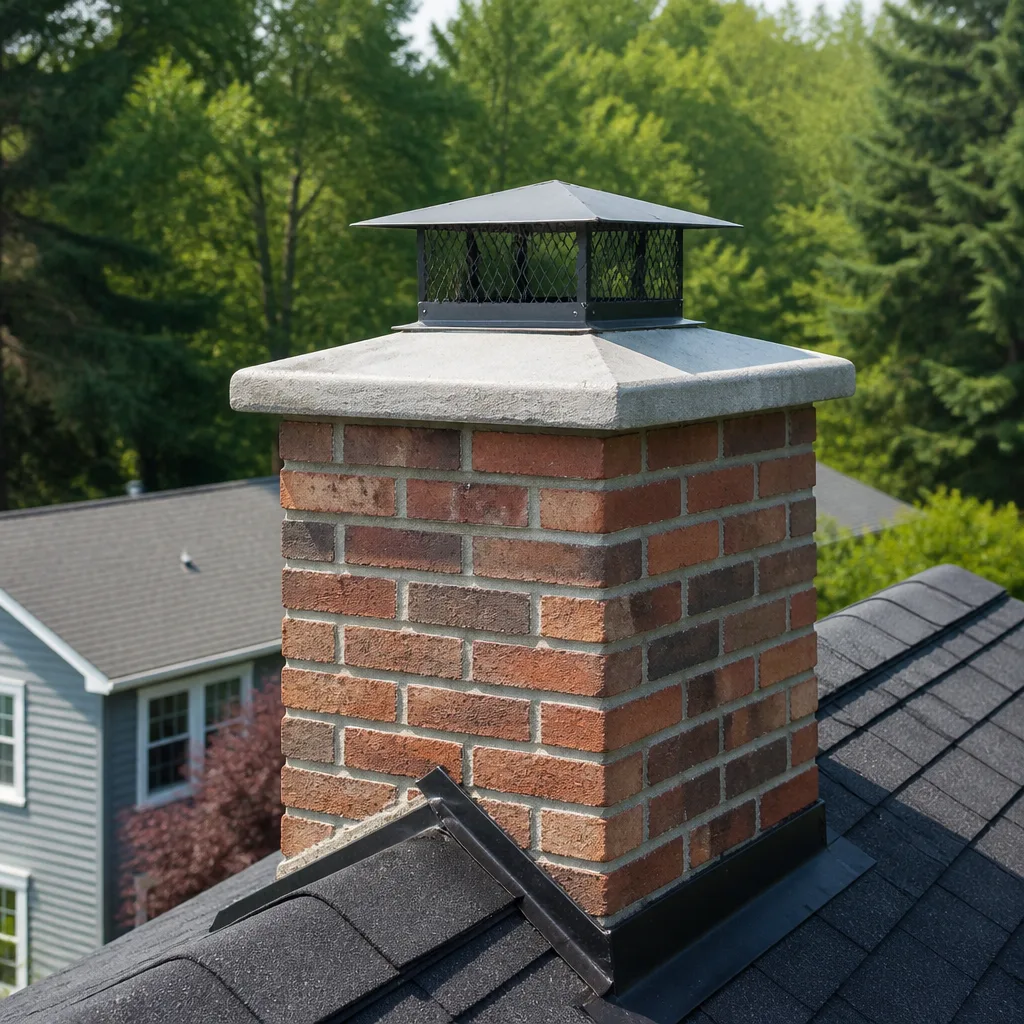 Caps & crowns
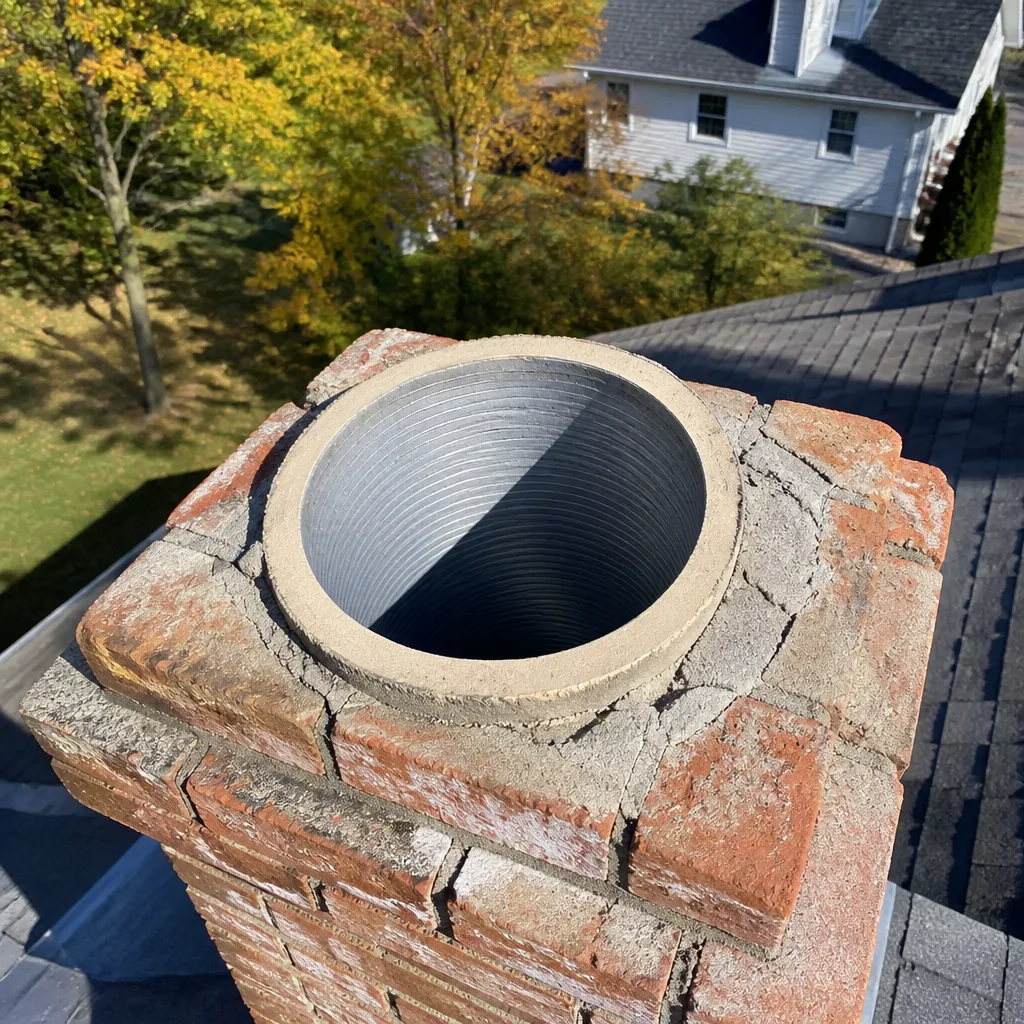 Flue relining
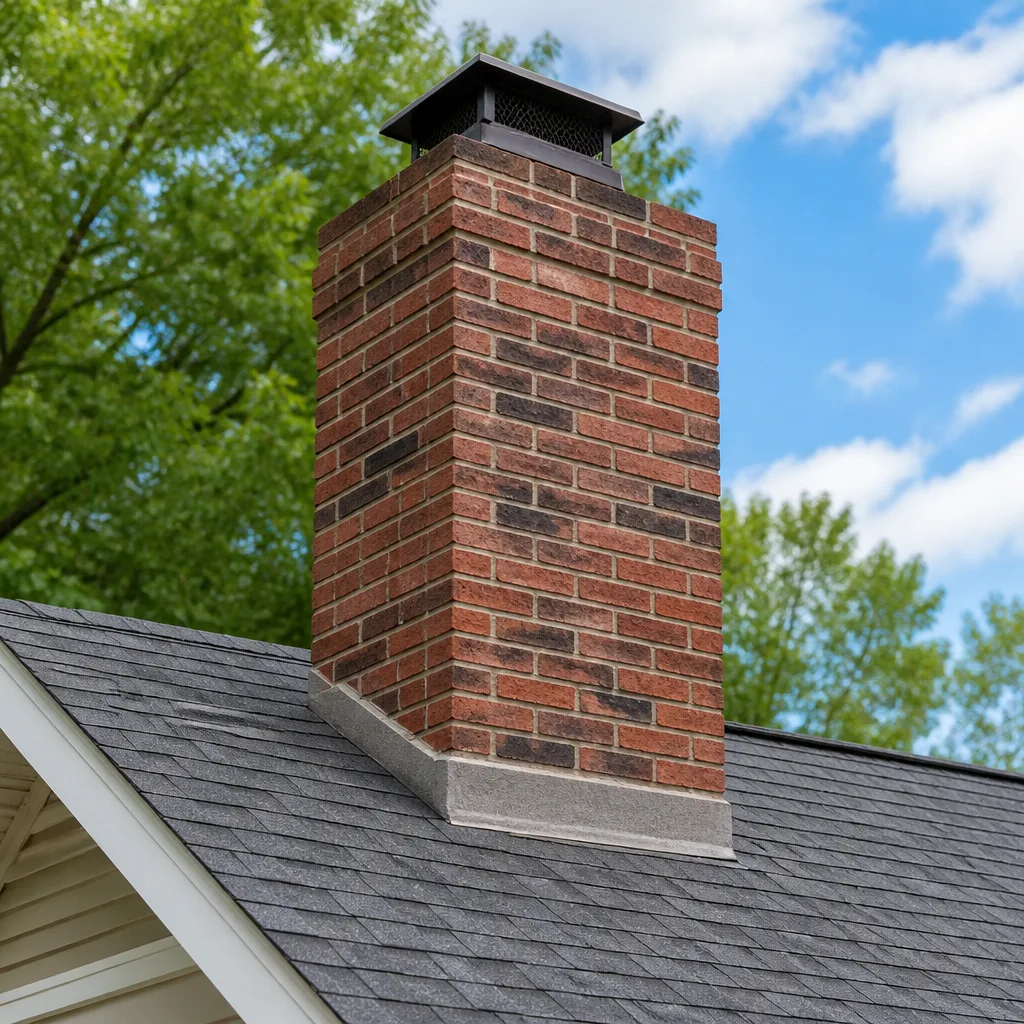 Masonry repair
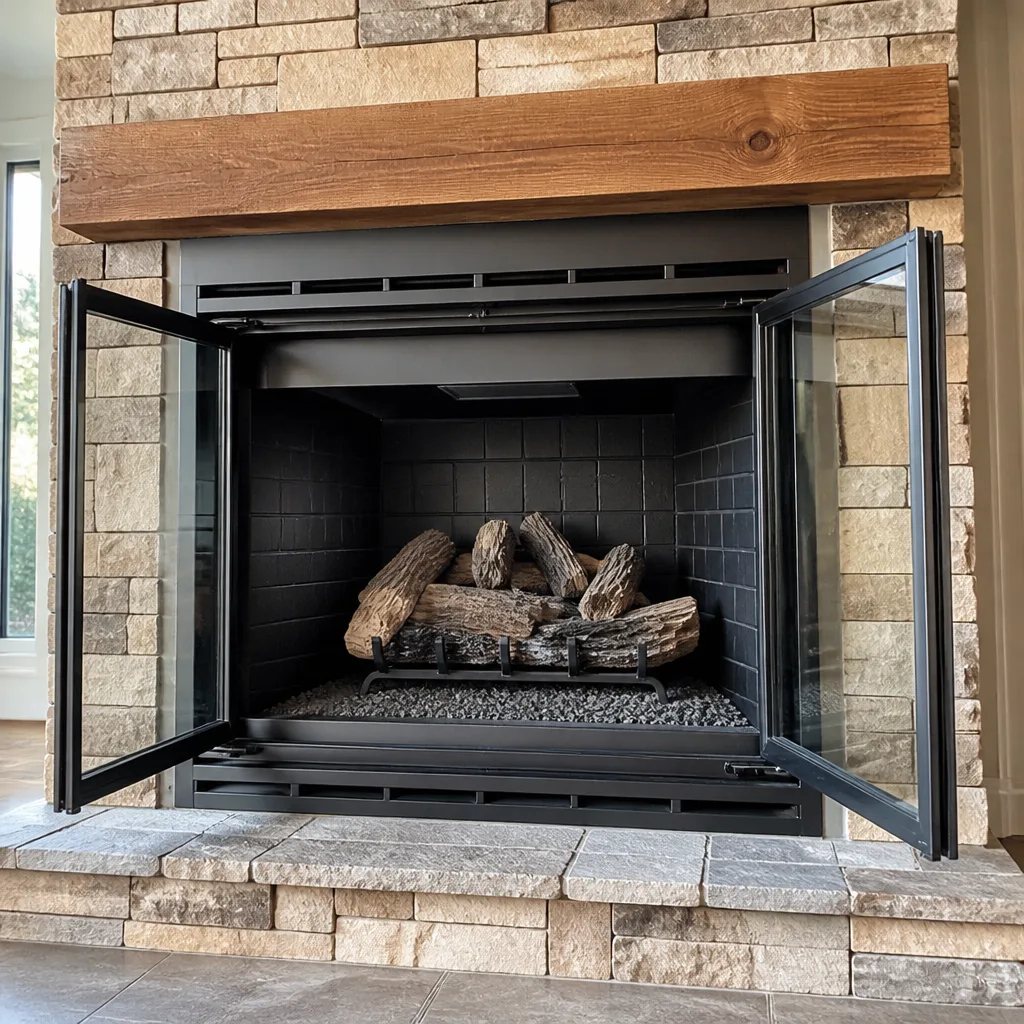 Gas fireplace service
Level 1 sweep and inspection to the NFPA 211 annual standard - flue, crown, cap, and flashing checked and photographed
Chimney sweep logs do not sweep chimneys. They loosen some creosote - which then falls where a brush and vacuum still have to collect it.
Chimney Sweep Troubleshooting in University Park: Common Problems and How to Fix Them
If your fireplace smokes into the room every time the wind picks up, the problem probably isn’t your chimney at all. It’s your house’s air pressure. A tight, well-sealed home in University Park can pull harder on its own air supply than the flue can push smoke up and out, and no amount of sweeping will change that. That’s an important thing to understand before you spend money on the wrong fix.
Chimney problems have specific mechanical causes, and each symptom maps to a distinct part of the system. Smoke rolling out of the firebox is a pressure or draft issue. A sour smell in summer is often a ventilation problem, not a buildup problem. Rust-colored staining on the firebox is usually water getting in from above, not combustion. This guide walks through the complaints we hear most in University Park, what each one usually means, and how the repair path differs. You’ll learn how to rule out the simple causes yourself, how to describe the problem accurately when you call, and when a technician needs to take over.
Styles & brands we work with
- Sweep & inspection
- Caps & crowns
- Flue relining
- Masonry repair
- Gas fireplace service
Quick Answer
Most chimney complaints in University Park fall into five buckets: draft and backdraft problems, water intrusion, creosote or odor issues, damper failures, and masonry or crown deterioration. Each one has a specific cause and a specific repair, from a cracked-window pressure test for backdraft to a HeatShield resurfacing for a deteriorating flue liner. The fastest way to get to the right fix is a proper inspection that separates pressure problems from blockage problems from water problems before any repair is quoted. Our technicians have up to 8 years of experience reading those symptoms, and we work with professional-grade brands like DuraFlex and HeatShield so the repair matches the diagnosis.
Table of Contents
- Why Your Fireplace Smokes Into the Room (Backdraft and Negative Pressure)
- Smells and Odors: Creosote, Wet Masonry, or Wildlife?
- The Three Damper Failure Modes and Their Fixes
- Water Intrusion: Cap, Crown, and Flashing Problems
- Slow Draft and Weak Updraft: What’s Really Going On
- Creosote Buildup and Glaze: When Sweeping Isn’t Enough
- Masonry, Liner, and Crown Troubleshooting
- Do-This-Before-You-Call Checklist
- Common Mistakes to Avoid
- When to Call a Professional
- Frequently Asked Questions
- The Bottom Line
Why Your Fireplace Smokes Into the Room (Backdraft and Negative Pressure)
Backdraft happens when the air pressure inside your house is lower than the pressure outside, so the chimney pulls air down instead of letting smoke rise up. In University Park, that’s a common finding in homes that have been tightened up over the years. New windows, weather stripping, caulk around the frames, and insulated attic hatches all reduce the random air leaks a house used to have. The chimney was never a sealed system to begin with, so a house that can’t pull air through the cracks will pull it down the flue. The smoke has nowhere to go but into the room.
This is the classic mimic. It looks exactly like a blocked flue, which is why so many homeowners assume they need a sweep when they actually need an air supply. There’s a test you can run yourself before you call anyone.
- Build a normal fire and let it burn for a few minutes.
- Crack the nearest window about an inch.
- Watch the smoke at the firebox opening.
If the smoke stops rolling into the room with the window cracked, you’ve got a pressure problem, not a blockage. The fix is either an outside air kit that feeds combustion air directly to the firebox, or in milder cases, adjusting the home’s ventilation so the house can breathe. An exhaust fan running in another part of the house (a kitchen hood, a bathroom fan, a dryer) can also tip a borderline chimney into backdraft, so note whether the smoking happens mostly when those are running.
If cracking the window changes nothing, the problem is more likely inside the flue: a partial blockage, a damaged liner, or a flue that’s undersized for the firebox opening. That’s where an inspection earns its keep. The right diagnosis matters, because an outside air kit won’t fix a cracked liner, and a sweep won’t fix a pressure problem. Getting it wrong costs money twice.
Smells and Odors: Creosote, Wet Masonry, or Wildlife?
Most chimney smells in University Park fall into three categories, and telling them apart before you call helps get the right technician with the right tools. The smell itself is a clue.
- Creosote odor is a smoky, campfire smell that lingers in warm weather, especially on humid days. It’s a ventilation issue. The flue holds a film of creosote from past fires, and when the outdoor air is warmer and heavier than the flue, the smell migrates into the room. It isn’t necessarily dangerous, but it means there’s creosote in the flue that a sweep will remove.
- Wet masonry odor smells like damp earth, mold, or a musty basement. That points to water getting into the chimney structure, usually through a failing crown, a missing cap, or porous brick. It won’t go away with sweeping, and left alone it slowly breaks down the mortar and brick from the inside.
- Wildlife odor is sharp, ammonia-tinged, and often paired with scratching, chattering, or a fluttering sound, particularly in spring and early summer when birds and squirrels look for nest sites. A missing or damaged cap is usually the door they used.
Once you can describe the smell in those terms, the technician knows what to inspect first. Creosote points to the flue. Wet masonry points to the cap and crown. Wildlife points to the cap and whatever’s nested inside it. We’ve seen all three misdiagnosed as “chimney needs sweeping” when the actual fix was a cap replacement or a crown repair. A proper inspection settles it. It’s an honest first step, not a reason to sell you something.
The Three Damper Failure Modes and Their Fixes
The damper is the part of your fireplace most homeowners interact with every single time they build a fire, and it’s also one of the most common sources of chimney trouble. There are three distinct failure modes, and each one requires a different repair path. Knowing which one you have saves a lot of back-and-forth.
- Warped throat damper. The metal blade at the top of the firebox warps from repeated heat cycles, so it no longer sits flat against the frame. You’ll notice it doesn’t close all the way when you push the handle, or it sticks or screeches. Warped throat dampers usually can’t be bent back into shape because the metal has already lost its flatness. Replacement is the standard fix.
- Corroded throat damper. Rust and corrosion eat at the hinges and the blade, usually from water getting into the firebox or from condensation. A corroded damper can freeze open (a real efficiency loss because warm house air escapes up the flue when the fireplace isn’t in use) or freeze shut (a real safety problem because smoke can’t get out). Replacement is the fix here too, along with tracking down the water source.
- Missing top-mount damper or no damper at all. Some older fireplaces were built without a damper, and some chimneys have a top-mount damper that seals at the crown instead of at the firebox. If you don’t see a handle inside the firebox, look at the top of the chimney. A top-mount damper that’s stuck, rusted, or missing is a different repair entirely. The fix is usually a new top-mount installation or, if the fireplace never had a damper, adding one.
The key is to look for the handle first, then look at the top of the chimney if you don’t find it. Once you know what type of damper your University Park home has, the technician can quote the right fix instead of guessing. A throat damper replacement is a straightforward job; a top-mount installation involves getting onto the roof and working with the crown, which is a longer visit. Neither is a do-it-yourself project.
Water Intrusion: Cap, Crown, and Flashing Problems
Water is the leading cause of long-term chimney damage in University Park, and it almost never shows up as an obvious leak. It shows up as staining, spalling brick, crumbling mortar, or the damp odor mentioned earlier. The two most common entry points are the cap and the crown, which is why we treat chimney cap & crown work as its own category rather than a side job on a sweep.
Here’s how the main water paths break down:
- Missing or damaged cap. The cap is the metal hood on top of the flue. When it’s missing, damaged, or the wrong size, rain goes straight down the flue and into the firebox and the smoke shelf. It also lets birds and animals in. We work with Gelco and Olympia Chimney caps, which are made to fit specific flue dimensions rather than being a universal hood that doesn’t seal right.
- Cracked or deteriorating crown. The crown is the concrete surface at the very top of the chimney that sheds water away from the masonry. When it cracks, water works its way into the brick and mortar below, then into the house. A crowned repair using proper materials is far cheaper than rebuilding a chimney that’s been soaking for years.
- Flashing failure. The flashing is the metal seal where the chimney meets the roof. When it pulls away, water gets behind the brick and into the attic or ceiling. This usually shows up as a stain on the ceiling near the chimney, not on the chimney itself.
In our experience, most homeowners only notice water problems after the damage is done because the early signs are subtle: a little staining at the firebox, a slightly musty smell, a bit of brick spalling. An inspection catches them early. That’s the point of chimney sweep University Park service that includes a look at the whole chimney, not just the flue.
Slow Draft and Weak Updraft: What’s Really Going On
A slow draft is different from a backdraft. Backdraft means smoke actually comes into the room; slow draft means the fire lights, but it burns low, smolders, and struggles to get going. Both have mechanical causes, but they’re not the same problem, and fixing one won’t fix the other.
The most common causes of weak draft in a University Park home:
- Flue too cold. A cold flue doesn’t pull air well. On mild mornings, the first fire of the day can be sluggish until the flue warms up. This is normal, not a defect, and it usually resolves within a few minutes.
- Undersized flue. If the flue is smaller than the firebox opening requires, it can’t move enough air for a strong fire. This is a design issue from the original build, not something that develops over time.
- Partial blockage. Creosote deposits, a broken liner tile, or a bird’s nest reduce the amount of flue the smoke can move through. The fire smolders because the smoke can’t get out fast enough.
- Excess flue height or poor termination. A flue that’s too tall, or that terminates in a spot where wind swirls around the chimney, can have weak draft even when the flue is clean.
Testing for slow draft is mostly about observation. Note whether the fire improves once it’s been burning for ten minutes, whether it happens on wind-specific days, and whether the firebox smoke shelf looks blocked. A camera inspection settles it. Our technicians use a camera to see what’s going on inside the flue and share the findings with you, so you’re not guessing.
Creosote Buildup and Glaze: When Sweeping Isn’t Enough
Creosote is the natural byproduct of burning wood. It starts as a fine powder, builds up as a flaky crust, and in its worst form becomes a shiny, hardened glaze that clings to the flue walls. That last form is the dangerous one. Glazed creosote is highly combustible, and once it’s formed, a standard sweep can’t fully remove it. The more common form is fine powder, and a routine sweep handles that fine.
How creosote forms in University Park comes down to burn habits. Cool fires, wet wood, and a chimney that isn’t drafted well all produce more creosote. Burning dry, seasoned wood and keeping the fire burning hot rather than smoldering reduces the rate of buildup. That said, some buildup is inevitable, and the annual sweep is the countermeasure.
If the inspection shows glazed creosote or a deteriorated flue liner underneath it, a standard sweep isn’t the fix. There are two paths:
- HeatShield ceramic resurfacing. This is a non-invasive restoration that resurfaces the flue interior, extending the liner life without a full replacement. It’s the “restore before you replace” option, and it’s a key part of what we bring to a University Park job that a basic sweep-and-go operation can’t.
- Full liner replacement with a DuraFlex flexible liner. When the flue is damaged beyond what resurfacing can address, a DuraFlex liner is the standard fix. The flexible design lets us handle older, offset, or irregular flues that rigid liners can’t navigate.
The right call between those two comes down to the inspection. If the flue is intact with glazed creosote, resurfacing may be enough. If the liner is compromised, a replacement is the safe path. We don’t quote either one without the inspection first.
Masonry, Liner, and Crown Troubleshooting
Masonry problems develop slowly and quietly. The brick and mortar on a University Park chimney can look fine from the ground while the top of the stack is crumbling, and by the time the damage shows up inside the house, it’s been progressing for a while. Here’s what to look for and what each sign means.
- Spalling brick. Brick faces flake and peel when water gets into them and expands in the sun. Spalling is the first sign that water is winning.
- White streaks on the brick. That’s efflorescence, mineral salts left behind when water moves through the masonry and evaporates. It’s a visible sign that water has been inside the brick.
- Crumbling mortar joints. Mortar is the softer part of the masonry. When the joints crumble or recede, the brick above is unsupported. Repair is worth doing before the chimney starts to lean.
- Rust stains in the firebox. Rust on the metal parts of the firebox or damper means water is getting in from above, usually through the crown or flue. Rust is the smoking gun for a roof-level problem.
- Cracked interior liner. A cracked clay liner tile lets heat and combustion gases reach the masonry behind it, which is a serious safety problem. The only way to see it is with a camera, which is why the inspection matters.
We work with Famco and Copperfield materials for masonry and structural repair, and we treat masonry problems with the same reasoning as everything else: restore before you replace, and don’t recommend anything the camera doesn’t show. A crown repair and a little repointing are affordable and keep the chimney sound. A full rebuild is the last resort, and in our experience, it’s only reached when the earlier signs were missed for years.
Do-This-Before-You-Call Checklist
Before you pick up the phone, run through these. Most of them take under a minute, and the answers help the technician diagnose faster.
- Check the damper. If you have a throat damper, make sure it’s fully open before you light a fire. A partially closed damper will produce smoke in the room every time.
- Check the firebox floor. Ash can build up to the point where it blocks the air supply to the fire. Clear it out if it’s more than a couple inches deep.
- Run the cracked-window test. If the smoke stops when a window is cracked, you’re dealing with negative pressure, not blockage. Note the result to tell the technician.
- Check whether an exhaust fan turns on. Kitchen hoods, bathroom fans, and dryers all pull air out of the house. If the fireplace smokes when those are running, that’s useful diagnostic info.
- Look at the top of the chimney from the ground. A missing cap, a cracked crown, or spalling brick on the stack is often visible from the yard with binoculars. Don’t climb up to check.
- Note the odor category. Creosote, wet masonry, or wildlife. Each one sends the inspection in a different direction.
- Check for rust in the firebox. Rust means water is getting in from above, which changes the whole diagnosis.
None of these involve getting on the roof. The dangerous chimney components, the high-tension spring in a garage door’s case, the electrical panel, the gas line, and the steep roof itself are all things we don’t want homeowners handling. The damper and ash clear-outs are fine; the roof work isn’t. A trained professional handles the top of the chimney.
Common Mistakes to Avoid
- Assuming every smoky fireplace needs a sweep. In University Park, a tight, well-sealed home often has a pressure problem that mimicking a blockage. Sweeping won’t fix negative pressure; an outside air kit or a ventilation adjustment will.
- Ignoring a musty smell because the fire still works. A functioning fire doesn’t mean the chimney is sound. A damp masonry smell points to water intrusion that’s slowly damaging the brick and mortar, and it won’t go away on its own.
- Burning wet or unseasoned wood to save money. It seems cheap at the time, but it produces far more creosote and puts the flue at higher risk of a chimney fire. Dry, seasoned wood is the better long-term value.
- Skipping the inspection because it’s “just a sweep”. A sweep cleans the flue; an inspection sees what was hiding behind the creosote. The inspection is what catches a cracked liner or a failing crown while it’s still an easy fix.
- Hiring a sweep who only cleans and can’t repair. If the sweep can’t fix what the inspection finds, you’re bounced to a second contractor, then a third. One company that handles the sweeping, the inspection, the repair, and the cap and crown work means no referral shuffle.
- Replacing a liner before trying HeatShield. A deteriorating flue liner doesn’t always need full replacement. HeatShield ceramic resurfacing can extend the liner’s life non-invasively, so ask whether resurfacing is an option before committing to a full reline.
- Doing the roof-level work yourself. Caps, crowns, and flue inspections involve height, and chimney caps and flues are not a safe DIY project. Leave the roof work to a trained technician.
When to Call a Professional
Some symptoms are safe to observe; others need a technician in University Park. Call us if any of these apply:
- Smoke enters the room every time you light a fire, even with the damper open and the firebox cleared.
- You notice a smell that won’t go away, especially a damp or musty odor.
- You see rust, staining, or white streaks on the firebox or brick.
- Your damper won’t close fully, is stuck, or has disappeared.
- You haven’t had the chimney inspected in the past year.
- You see any sign of animals (scratching, fluttering, droppings).
- You’re seeing repeated draft problems you’ve traced to pressure.
Chimney Sweep University Park offers free estimates in University Park. Call (877) 792-6047. Our technicians have up to 8 years of experience, and we’ll run a camera inspection so you can see the findings for yourself before any repair is quoted. If the work can safely wait, we’ll tell you that too.
Frequently Asked Questions
The most likely cause is negative air pressure inside your University Park home, not a dirty flue. Crack a window during a fire; if the smoking stops, that’s the answer, and an outside air kit is the fix rather than a sweep. If it keeps smoking with the window cracked, get the flue inspected for a partial blockage or damage. Call (877) 792-6047 for an inspection that separates the two.
A smoky, campfire smell is usually creosote, while a damp, musty, or earthy smell points to wet masonry. Creosote smells strongest in warm, humid weather; wet masonry smells worst after rain or in damp seasons. Either one is worth an inspection, and our technicians can tell the difference on-site. Call (877) 792-6047 and describe the smell; that already narrows the diagnosis before we arrive.
No. A damper that won’t close is usually a warped or corroded throat damper, which is replaced without touching the fireplace itself. If you don’t see a handle in the firebox, the chimney may use a top-mount damper, which is repaired at the crown. Either way, it’s a straightforward fix. Call (877) 792-6047 for an estimate; we’ll inspect first and recommend the right repair.
A small crack in a University Park chimney crown is worth repairing, because it’s how water gets into the masonry and starts breaking down the brick and mortar. What looks minor on the surface can run down behind the brick for years before showing up inside the house. Call (877) 792-6047 for a free estimate on the crown repair, and we’ll look at the cap at the same time.
A sweep cleans the flue; an inspection looks at the whole chimney, including the liner, the crown, the cap, the firebox, and the damper. The inspection catches problems a sweep would miss, like a cracked liner or a failing crown. We offer the full-system inspection as a standalone service, not an upsell. Call (877) 792-6047 to book one.
HeatShield is a non-invasive resurfacing method that can extend the life of an aging flue liner without full replacement. It works when the liner is intact enough to hold the resurfacing; when the liner is damaged beyond that, a full DuraFlex flexible liner is the standard fix. The only way to know which one applies is a camera inspection, and we recommend based on what we can see, not what’s easier to sell. Call (877) 792-6047 to schedule the inspection.
The Bottom Line
Chimney problems have specific mechanical causes, and the fix depends on matching the symptom to the right system. A smoking fireplace is usually a pressure problem, not a sweeping problem. A lingering smell is usually a ventilation or water issue. A draft that won’t pull is usually a flue, damper, or design issue. Get the diagnosis right before you spend money, and most of these problems turn out to be restorable rather than rebuildable.
Our technicians have up to 8 years of experience diagnosing the full range of chimney troubles in University Park, and we work with professional-grade brands like HeatShield and DuraFlex so the repair matches the diagnosis. We inspect first, we recommend honestly, and we tell you when work can safely wait. If it can’t, we handle the repair, the cap and crown work, and the fireplace repair under one roof. One company, every part of the chimney.
Call (877) 792-6047 for a free estimate. We answer 24/7. Fast dispatch from 7am to 7pm, Sunday through Friday. If you’d like a chimney sweep alongside the inspection, we’ll schedule both in one visit so you’re not making two appointments for one problem.
Written by the team at Chimney Sweep University Park.
See the difference
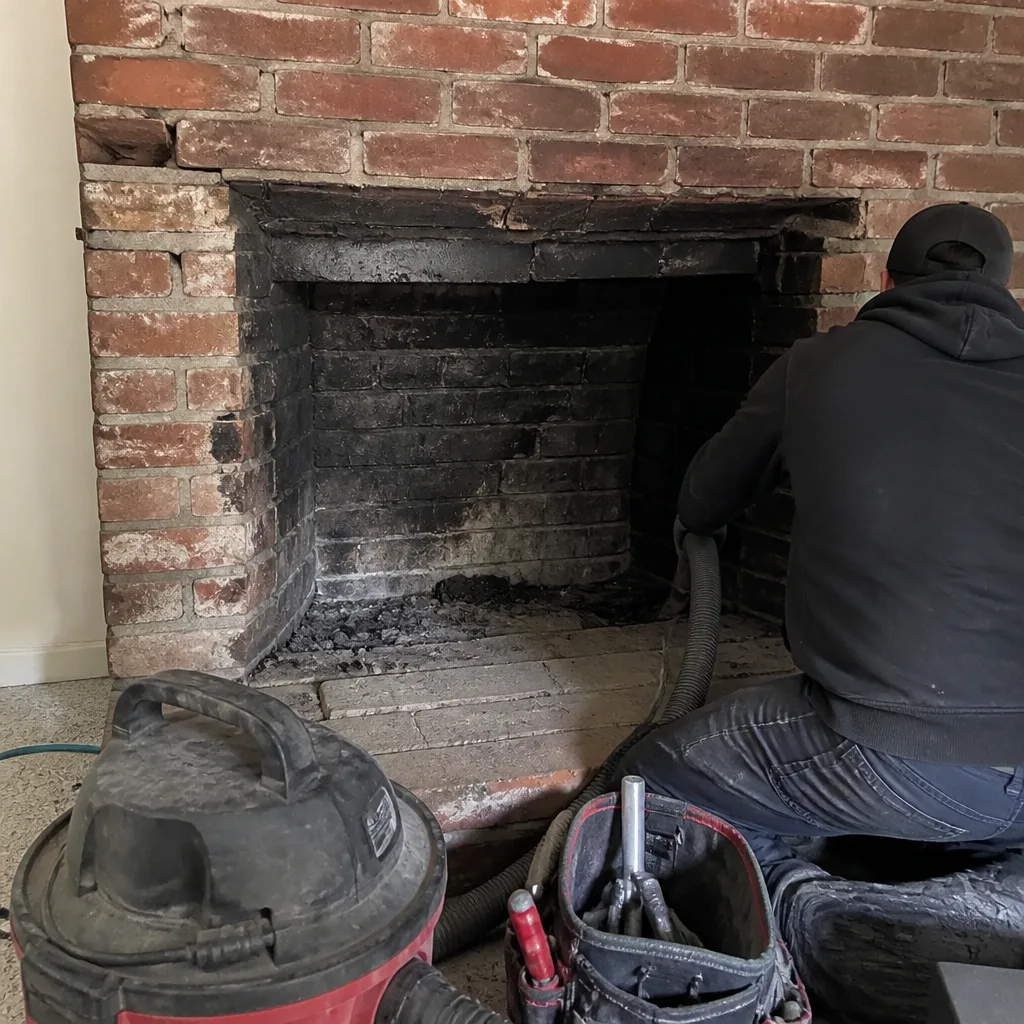 Before
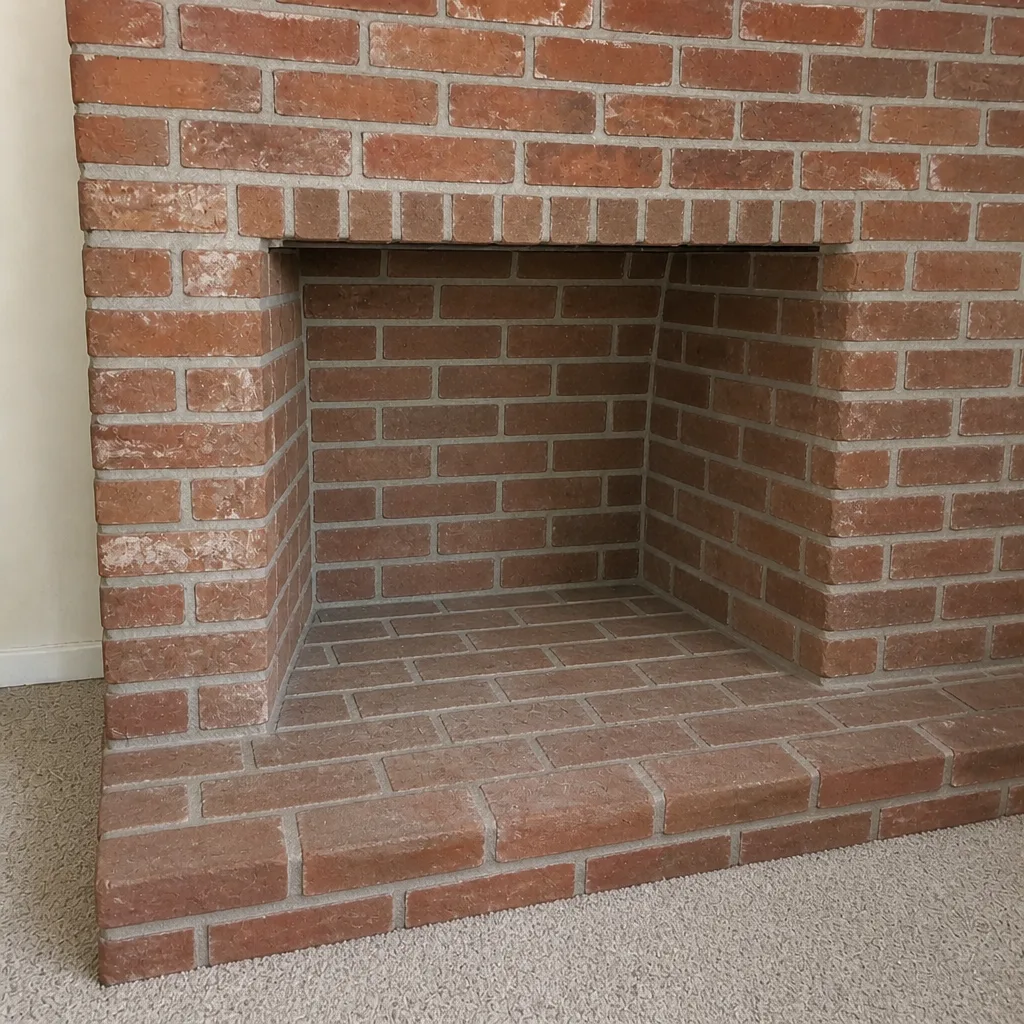 After
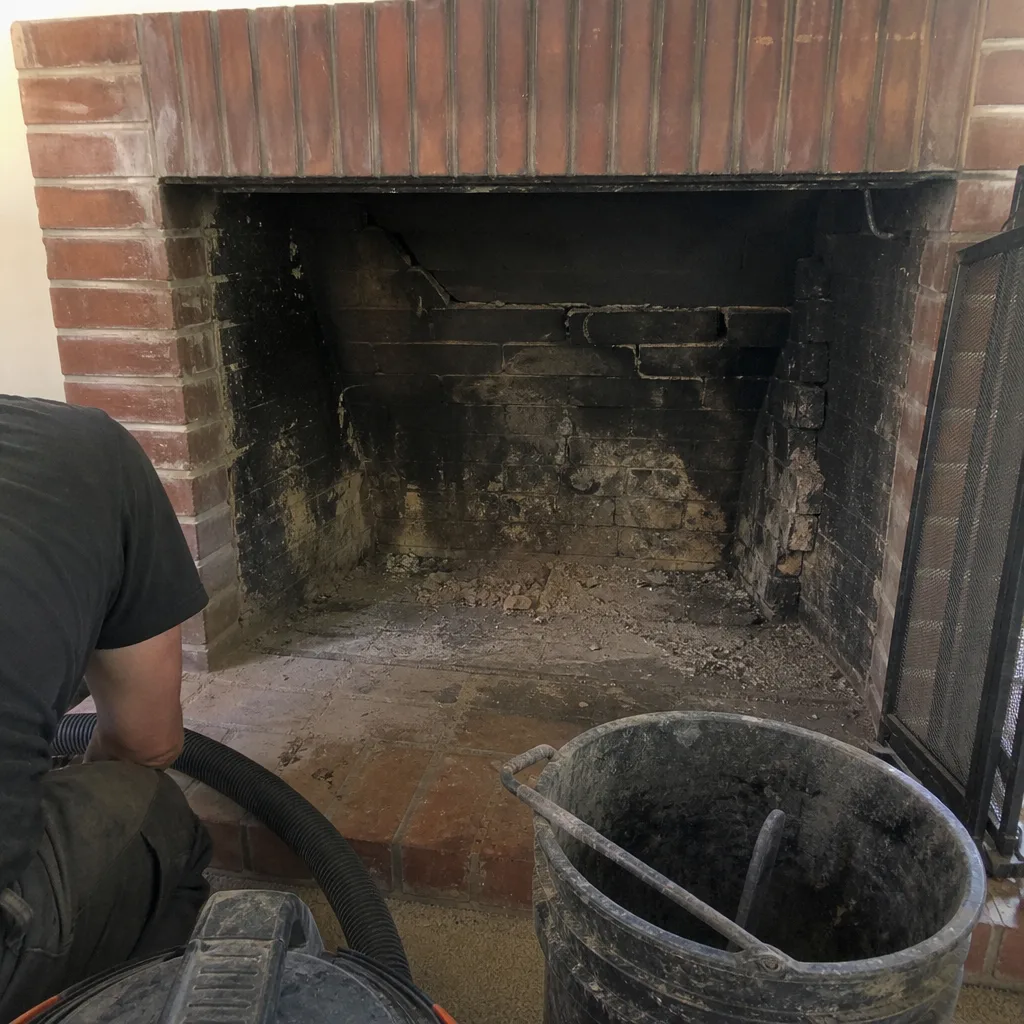 Before
 After
 Before
 After