
Last updated November 24, 2026
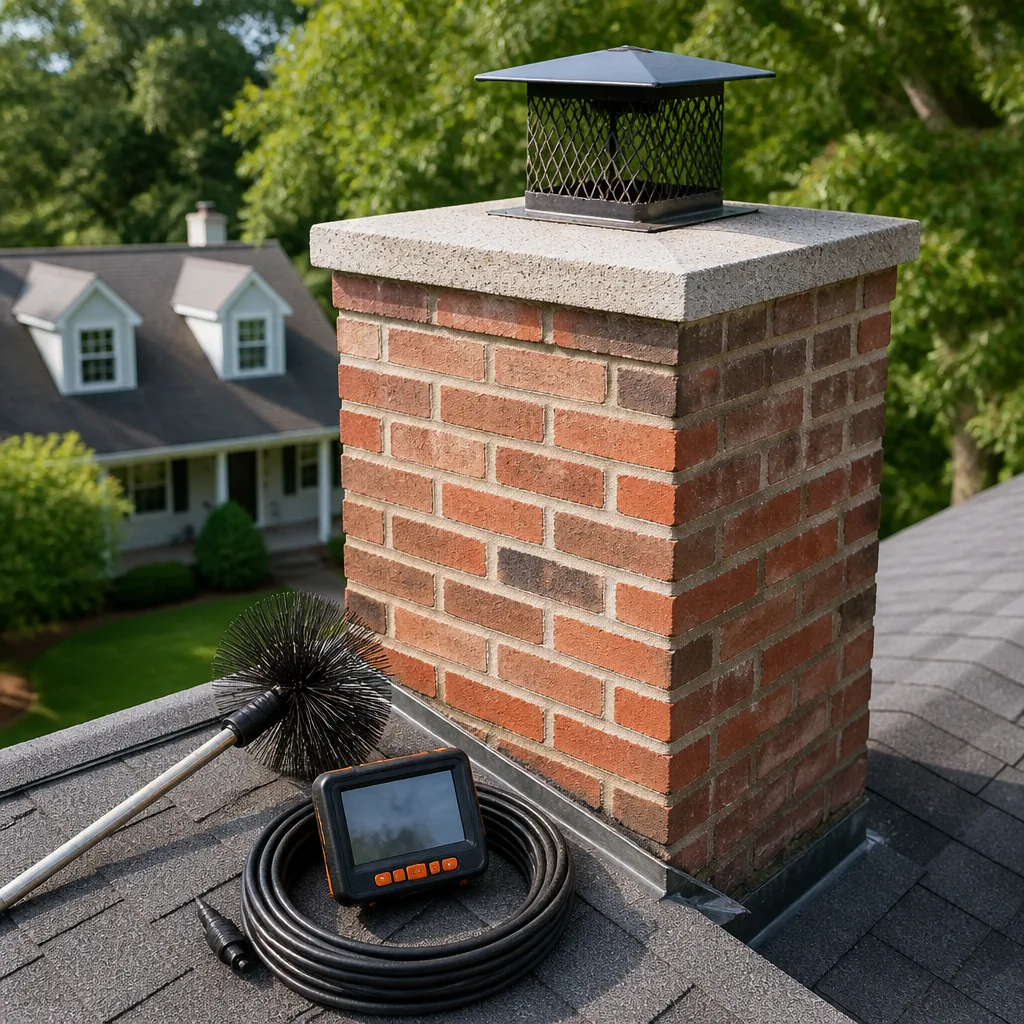 Sweep & inspection
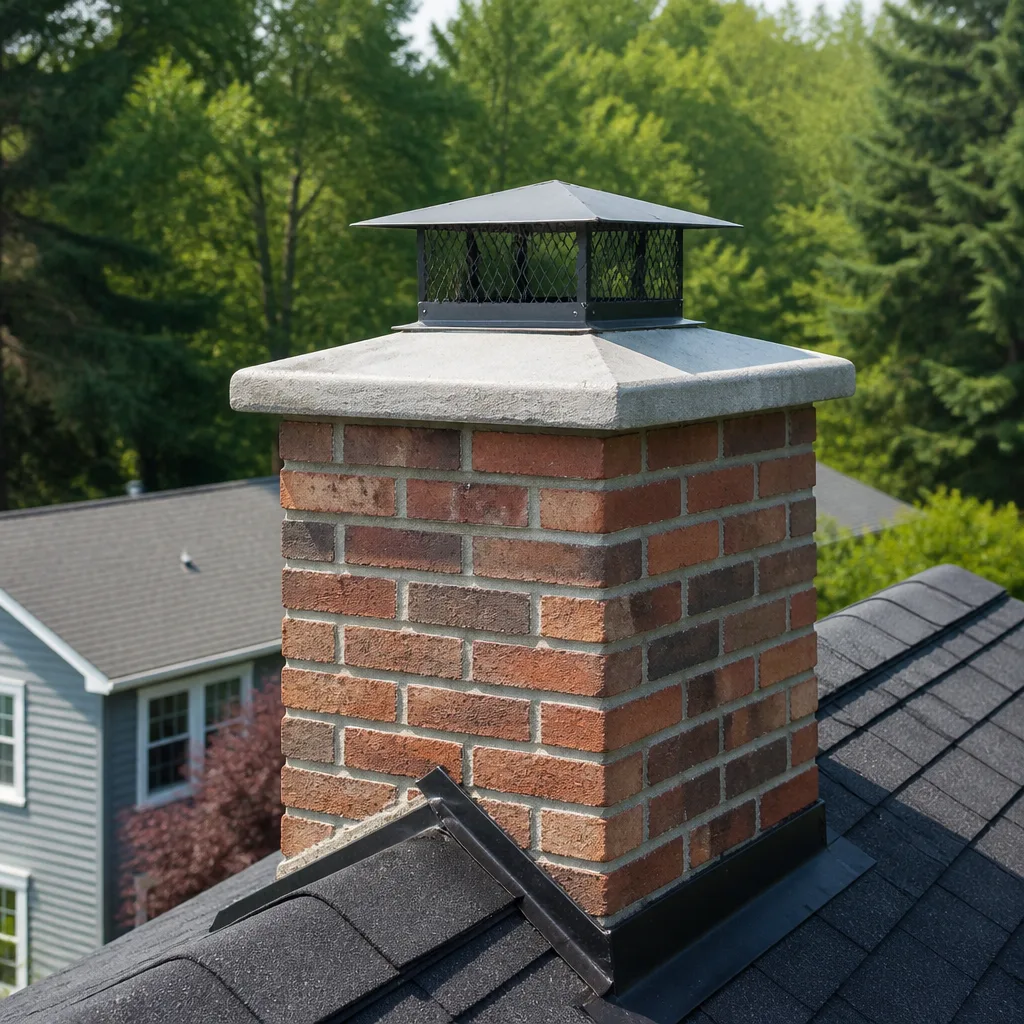 Caps & crowns
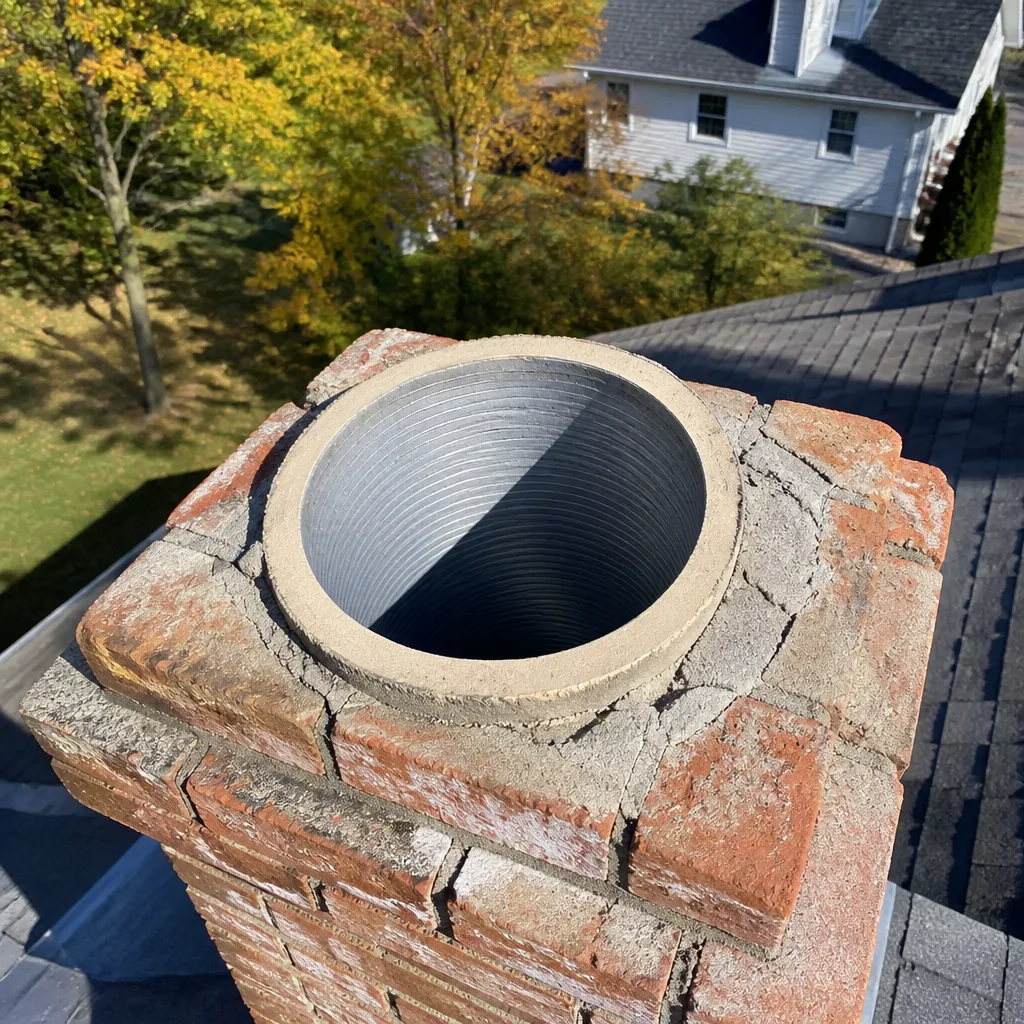 Flue relining
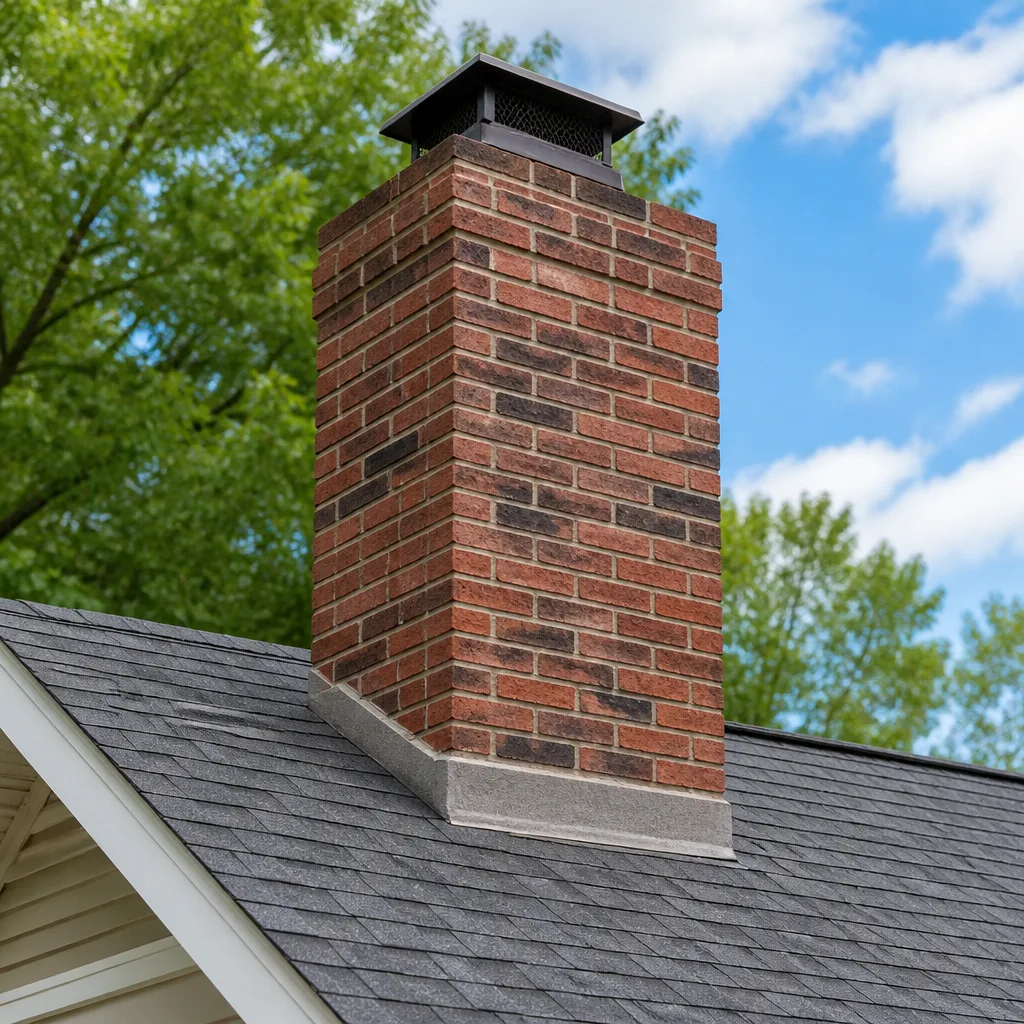 Masonry repair
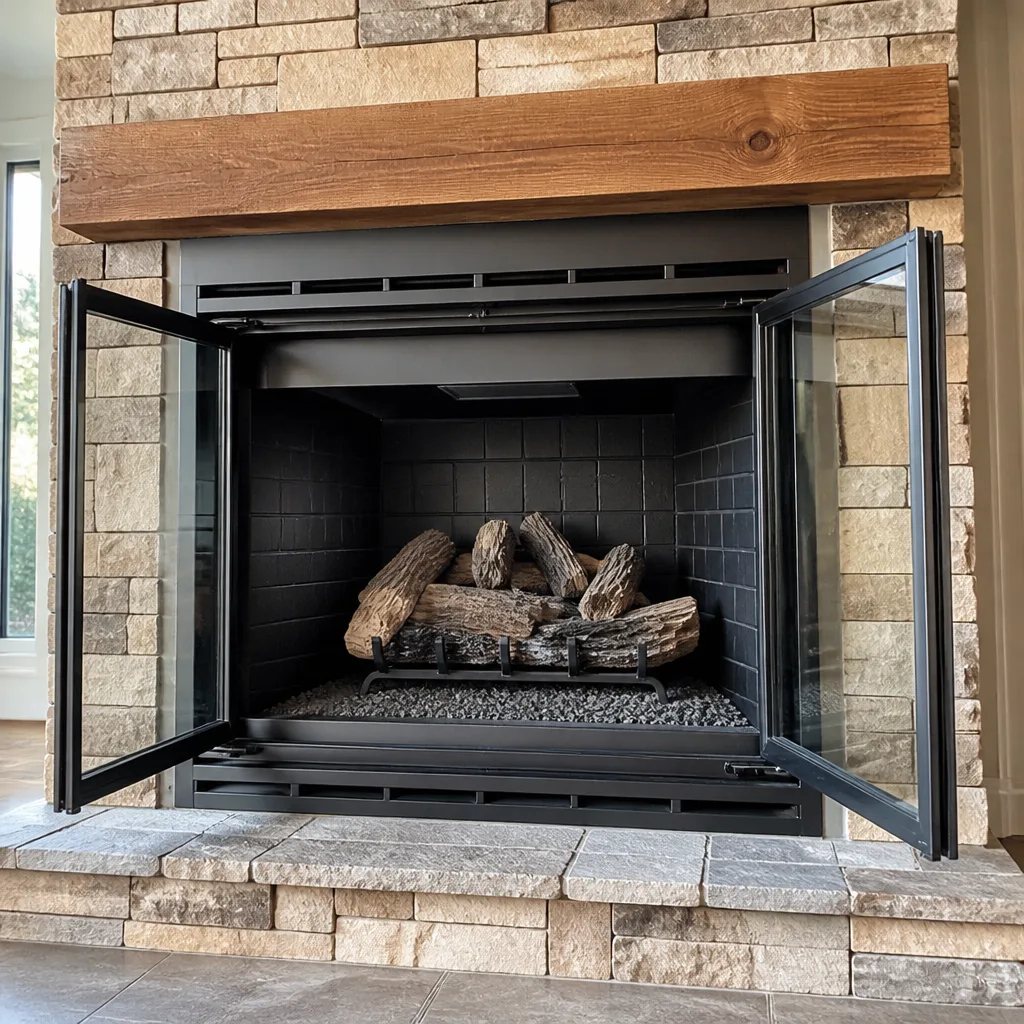 Gas fireplace service
Level 1 sweep and inspection to the NFPA 211 annual standard - flue, crown, cap, and flashing checked and photographed
Chimney sweep logs do not sweep chimneys. They loosen some creosote - which then falls where a brush and vacuum still have to collect it.
The Complete Guide to Chimney Cleaning in University Park
Most people believe a chimney cleaning is one simple thing: a brush goes up, soot comes down, and the job is finished. Here’s what that assumption misses. The sweep is the least important part of the visit. A brush clears what you can see; it tells you nothing about the condition of the flue liner, the crown, the cap, or the firebox behind it. A chimney can look spotless and still hide cracked tiles, a failing liner joint, or glazed creosote that no brush will touch. In this guide, we walk through what chimney cleaning in University Park actually involves when it’s done as a full-system inspection rather than a quick sweep, which inspection level applies to your situation, how creosote stages dictate the method, and why our mild climate can make buildup worse, not better. By the end, you’ll know exactly what to ask for and what to expect.
Quick Answer
Chimney cleaning in University Park is a full-system inspection and debris removal service, not just a brush-and-vacuum. It should include a check of the flue liner, crown, cap, firebox, and damper alongside the sweep itself, and the inspection level (per NFPA 211) should match why you’re having it done: Level 1 for routine annual maintenance, Level 2 after a chimney fire, storm event, or before a home sale, and Level 3 only when hidden areas need to be opened up. A proper cleaning also identifies the creosote stage present so the right removal method is used.
Styles & brands we work with
- Sweep & inspection
- Caps & crowns
- Flue relining
- Masonry repair
- Gas fireplace service
Table of Contents
- Why Chimney Cleaning Is More Than a Sweep
- The Three Inspection Levels and When Each Applies
- Creosote Stages and Why Each Needs a Different Method
- Why University Park’s Mild Climate Doesn’t Mean Less Buildup
- What a Full-System Cleaning Actually Covers
- The Tools and Materials That Separate a Specialist From a Sweep
- How a Professional Chimney Cleaning Visit Works
- Common Mistakes to Avoid
- When to Call a Professional
- Frequently Asked Questions
Why Chimney Cleaning Is More Than a Sweep
The gap between a sweep and a proper cleaning is the gap between treating a symptom and diagnosing the system. A sweep removes soot and loose creosote from the flue. A cleaning evaluates whether that flue can safely carry combustion gases out of the house, whether the liner is intact, and whether water has started to compromise the masonry. The two services look similar for the first ten minutes. They diverge completely in what they find.
We’ve seen chimneys that passed a visual sweep and still had a separated liner joint three feet up the flue. The brush slid right past it. That’s not a knock on the sweep; a brush isn’t designed to detect structural problems. Only an inspection is.
For University Park homeowners with a wood-burning fireplace or an older gas insert, the practical difference shows up in three places:
- Liner condition. A damaged liner allows heat and carbon monoxide to reach framing and living space. Checking it requires more than looking up from the firebox.
- Crown and cap integrity. Water intrusion through a cracked crown or missing cap is the leading cause of long-term chimney structural damage, and it’s invisible from inside the house.
- Firebox refractory. Cracked firebrick or deteriorating refractory mortar affects how the firebox handles heat. It’s part of the chimney, not a separate appliance.
Think of it this way: the sweep is the starting point, not the deliverable. What you’re actually buying is a safety assessment with the debris removed as a byproduct. When we schedule a chimney sweep in University Park, that framing shapes how the visit is structured from the moment we arrive. If you want the same chimney handled from inspection through repair without a second contractor, that’s the point of chimney sweep University Park as a full-system service.
The Three Inspection Levels and When Each Applies
NFPA 211, the standard that governs chimney inspections, defines three levels. Knowing which one applies to your situation is the single most useful thing you can know before you book. Too often, homeowners are sold a basic inspection when a Level 2 is actually warranted, or a Level 3 is recommended when a Level 2 would have answered the question.
Level 1 Inspection
A Level 1 inspection is the routine check. It covers readily accessible portions of the chimney, the firebox, and the visible flue, and it assumes the chimney is still in the same condition and use as when it was last inspected. If you burn wood and haven’t had a change in how you use the fireplace, a Level 1 pairs naturally with your annual sweep. It’s the right level for a routine, seasonal visit.
Level 2 Inspection
A Level 2 inspection goes further. It covers all accessible parts of the chimney, including the attic and any crawl spaces, and it typically includes video scanning of the flue interior. It’s the required level in three common situations:
- After a chimney fire. Even a small one can crack tiles or warp a metal liner in ways a Level 1 can’t reveal.
- After a storm or seismic event. Any event that could have shifted or cracked the chimney structure warrants a closer look. In University Park, storm activity and the region’s seismic character are the two realistic triggers.
- Before a home sale or transfer. When a property changes hands, the new owner needs a full picture of what they’re buying. A Level 2 is the standard level for a real estate transaction.
Level 3 Inspection
A Level 3 is only performed when a Level 1 or Level 2 has already identified a serious hazard, and the only way to assess it is to open up concealed areas, like removing a wall section or part of the chimney chase. It’s the least common and the most involved. If a technician recommends a Level 3 without first completing a Level 2, that’s worth questioning.
The takeaway is simple: ask which level you’re getting and why. A professional will tell you before they start, and the reason should be a real one, not a sales tactic. That principle is core to what we stand for: inspect first, recommend honestly. A full-system inspection is offered as a standalone service in University Park, so nobody has to buy it as a bundled upsell to get an accurate answer.
Creosote Stages and Why Each Needs a Different Method
Creosote doesn’t arrive in one form. It forms as a byproduct of incomplete wood combustion and settles on the flue walls in stages that look different and require different removal methods. Understanding the stages explains why “just sweep it” doesn’t solve every chimney problem.
Stage 1: Soot and Flaky Creosote
This is the brushable stage. It’s the powdery, flaky, or slightly crusty deposit you’d expect after a season of fires, and a standard chimney brush removes it efficiently. Most routine cleanings deal with Stage 1 buildup, and that’s normal. Nothing alarming here.
Stage 2: Glazed Creosote
Stage 2 is the hard, baked, shiny layer that forms when creosote is deposited and then repeatedly reheated without being cleaned away. It’s called glazed because it looks glassy and dense. A brush slides over it rather than removing it. Stage 2 creosote is the stage that most concerns us because it’s highly combustible and firmly bonded to the liner surface. Removing it requires specialized chemical treatment and mechanical tools, not a brush alone. If you hear creosote described as “hard to clean,” this is the stage being described.
Stage 3: Porous, Fuel-Rich Creosote
Stage 3 has a dense, porous, sponge-like structure, and it’s the most concentrated form. It fuels chimney fires with unusual intensity. Stage 3 buildup is a serious finding and usually indicates that burning practice, wood moisture, or the frequency of cleaning has been off for a while. It may point to a need for liner restoration or replacement after the deposit is addressed.
Here is the practical point: knowing which stage is present tells you how much work the cleaning actually involves. A Stage 1 cleaning is a one-visit job. A Stage 2 job requires chemical creosote removal product and more time. Stage 3 may open a conversation about the liner itself. We use SootEraser and Poultice Creosote Remover to break down the harder stages before any mechanical work; that’s the kind of trade-grade product line a basic sweep service doesn’t carry.
Why University Park’s Mild Climate Doesn’t Mean Less Buildup
This is the misconception we want to correct most directly. Homeowners in mild climates reasonably assume that because they run the fireplace fewer times per year, the chimney builds up less creosote. The opposite is true. Fewer and shorter fires tend to produce more incomplete combustion per cord of wood burned, which deposits more Stage 2 glazed creosote per cord than a chimney that runs steadily through a cold winter.
The reasoning is straightforward once you see it. A fire that burns hot and long burns efficiently and produces less problematic residue. A fire lit for an evening, allowed to cool, relit a week later, and damped down often never reaches the temperature needed to burn cleanly. In University Park, the fireplace season is short and the fires are casual. Homeowners may only burn a few cords a year. That’s exactly the burning pattern that builds glazed creosote fastest.
Three things follow from this for University Park homeowners:
- Frequency doesn’t guarantee cleanliness. A chimney that sees a dozen short fires per season can build glazed creosote faster than one that sees continuous winter burning.
- Seasonal sweeping still matters. Yearly inspection and brushing remain the baseline, and they cost less than a liner replacement caused by a missed Stage 2 deposit.
- Burning practice helps. Well-seasoned wood, adequate air, and letting the fire burn hot all reduce deposit rate. But good practice doesn’t replace inspection.
The point isn’t to alarm anyone. It’s to reset an assumption. If you live in University Park and you use your fireplace lightly, don’t skip the annual visit because the chimney “hasn’t been used much.” Light, intermittent use is the profile that most benefits from a proper inspection.
What a Full-System Cleaning Actually Covers
A full-system cleaning is exactly that: every part of the chimney, not just the flue. The debris removal is one step in a sequence. Here’s what a complete service in University Park should touch, whether or not any problem is found.
Flue Liner Condition
The liner is the barrier between combustion gases and the structure of the house. In a masonry chimney, it’s typically clay tile; in a modern installation, it’s a metal liner. A full-system check evaluates the liner for cracks, gaps, separated joints, or corrosion, using video scanning where the inspection level calls for it. If the liner is compromised, the recommendation that follows isn’t an automatic replacement. It may be liner restoration or relining, and the right answer depends on what the scan shows. We work with DuraFlex flexible liner systems because they handle older, offset, or irregular flues that a rigid liner can’t follow.
Crown Integrity
The crown is the sloping concrete cap at the top of the masonry chimney. It sheds water away from the structure. A cracked or crumbling crown lets water into the chimney, and water is the leading cause of long-term structural damage to masonry chimneys. Crown repair is a masonry job and belongs in a full-system visit, not a separate referral.
Cap Installation and Condition
The cap covers the flue opening and keeps out rain, debris, and animals. A missing, damaged, or undersized cap is one of the two most common sources of water intrusion we see, alongside the crown. We install caps from lines like Olympia Chimney and Famco because they’re built to fit the flue opening and stay on through weather. Our dedicated chimney cap & crown work handles both the hardware and the masonry side.
Firebox and Refractory
The firebox is where the fire actually burns. Cracked firebrick, deteriorating refractory mortar, or a damaged damper all affect safety and performance. Some of these are repair jobs rather than cleaning tasks, and our fireplace repair service covers that part of the house. The point is that the firebox is part of the system, and a full-system cleaning accounts for it.
That’s the full-system approach in one sentence: one company, every part of the chimney, from the flue at the top to the firebox at the bottom. When we say a cleaning covers the whole chimney, that’s the scope being described.
The Tools and Materials That Separate a Specialist From a Sweep
You can clean a chimney with a brush and a shop vacuum. What you can’t do with those two tools is remove Stage 2 or Stage 3 creosote, scan the flue with a camera, restore a deteriorating liner, or install a properly fitted cap. The professional-grade materials a full-system specialist uses aren’t marketing decorations. Each one solves a specific problem a basic sweep can’t reach.
- SootEraser. A professional creosote removal product that breaks down Stage 2 glazed deposits before mechanical cleaning, so the creosote comes off the liner rather than getting burnished into it.
- Poultice Creosote Remover. A treatment applied to stubborn glazed deposits, allowing them to loosen for removal without resorting to aggressive scraping that could damage the liner.
- DuraFlex flexible liners. Used for relining older, offset, or irregular flues. A flexible liner can follow the bends and transitions of an older chimney where a rigid liner simply can’t go.
- HeatShield ceramic resurfacing. A non-invasive flue restoration method that applies a ceramic coating to rebuild and extend the working life of a liner. It’s the restore-before-replace option that lets us save a liner that isn’t ready for full replacement.
- Olympia Chimney and Famco caps and hardware. Trade-grade caps and components that fit properly and hold up to weather, as opposed to generic hardware that leaks or blows off.
The distinction to hold onto is this: a sweep-only service can clean what’s accessible and stop. A full-system specialist can clean, inspect, treat creosote stages, restore liners, install caps, and repair crowns. That range of capabilities is what it means when we describe the company as your chimney’s first and last call. In University Park, it means no second contractor for the work that the inspection turns up. When you buy the materials, you’re buying the range of capability, not just a brush.
How a Professional Chimney Cleaning Visit Works
Here’s the sequence of a proper full-system cleaning visit, step by step, so you know what to expect when a technician arrives.
- Pre-visit check-in. The technician walks the fireplace and chimney from the outside, confirms the inspection level being performed, and answers any questions before work begins.
- Protect the interior. Drop cloths and a contained vacuum setup keep soot and dust out of your living space.
- Sweep the flue. A properly sized brush removes Stage 1 soot and flaky creosote from the flue walls. Debris drops into the firebox or a contained collection area.
- Treat hard creosote if present. If Stage 2 or Stage 3 deposits are found, chemical treatment with SootEraser or Poultice Creosote Remover is applied and the mechanical cleaning is repeated until the liner is clear.
- Inspect the liner. A video scan or visual inspection evaluates the liner for cracks and joint separation. This is where the inspection-finding details come from.
- Check the crown, cap, firebox, and damper. Each part of the system is assessed against what it’s supposed to do.
- Report findings and recommend only what’s needed. You see what the technician found before any recommendation is made. Nothing is recommended without a visible reason, and it’s fine to say a repair can wait.
A routine Stage 1 cleaning and full-system check is typically a single visit. If Stage 2 glazed creosote is found or a repair is needed, that may add time or lead to a follow-up appointment, depending on the scope. Book your sweep before burning season rather than in the middle of it; a full inspection gives you time to fix what it turns up without disrupting your winter.
Common Mistakes to Avoid
- Treating a sweep as a cleaning. A brush-and-vacuum removes debris but doesn’t evaluate the liner, crown, cap, or firebox. You’ve paid for half a service and skipped the safety assessment that matters more.
- Skipping the annual visit because “we barely use it.” Light, casual fireplace use in University Park’s short season builds more glazed creosote per cord, not less. The chimney that’s rarely lit is the one most likely to have hidden Stage 2 deposits.
- Accepting a Level 3 recommendation without a Level 2 first. A Level 2 answers most of the questions. A Level 3 should only follow when a Level 2 already found a concealed hazard. Ask why before any wall opens up.
- Ignoring the crown and cap because the flue looks fine inside. Water intrusion through a cracked crown or missing cap is the leading cause of long-term structural damage. It doesn’t show up from inside the firebox.
- Hiring a sweep-only service and getting bounced to a second contractor for repairs. When the sweep finds a deteriorating liner or a damaged crown, you’ll want one company to handle it, not a referral chain. Look for full-system capability up front.
- Relighting after a chimney fire without an inspection. A Level 2 inspection after any chimney fire is the standard for good reason. Small fires can crack tiles and warp liners silently.
- Believing a “clean” chimney is safe by definition. A clean flue can still have a failed liner joint or a damaged crown. Clean means the debris is gone. It doesn’t mean the system is sound.
When to Call a Professional
You should call for a professional inspection and cleaning if you’re heading into a new burning season, if you remember hearing a rumbling or roaring sound that didn’t quite sound like a normal fire, or if you’ve moved into a home in University Park and can’t confirm the chimney’s last inspection. Other triggers worth taking seriously: a strong odor from the fireplace on warm days, visible creosote glaze on the flue walls, cracks in the firebox brick, or any water stain around the chimney or crown. A full-system inspection is the answer to each of these, and it’ll tell you whether the fix is a cleaning, a repair, or nothing at all yet. Chimney Sweep University Park offers free estimates in University Park. Call (877) 792-6047. We answer 24/7. Fast dispatch from 7am to 7pm, Sunday through Friday.
Frequently Asked Questions
Once a year is the standard for any chimney in active use, and in University Park’s mild climate, an annual inspection matters even for lightly used fireplaces because light, intermittent burning builds glazed creosote faster per cord. If you burn through several cords a season, an additional mid-season check makes sense. Call (877) 792-6047 for an exact quote; estimates are free.
A sweep alone is not enough, because it removes debris without evaluating the liner, crown, cap, or firebox. Those are the parts where the real safety hazards live. The NFPA 211 levels give you the framework: a Level 1 pairs with a routine sweep, and a Level 2 is what you want after a chimney fire, a storm event, or before a home sale. Call (877) 792-6047 for an exact quote; estimates are free.
Stage 1 is soot and flaky creosote a brush removes. Stage 2 is hard, glazed creosote that a brush slides over and requires chemical treatment to remove. Stage 3 is dense, porous, and the most combustible. Stage 2 is the most common concern in University Park homes, because light intermittent burning builds it rapidly. Call (877) 792-6047 for an exact quote; estimates are free.
Before a real estate transaction, a Level 2 inspection is the standard level, because it covers all accessible parts of the chimney and typically includes a video scan of the flue. That gives the buyer a full picture of the chimney’s condition. Your agent or closing timeline is the reason, not automatic upsells; the inspection is what supports the record. Call (877) 792-6047 for an exact quote; estimates are free.
Sometimes, yes. HeatShield ceramic resurfacing is a non-invasive restoration method that can extend the working life of a liner without full replacement, and it’s an option a sweep-only service can’t offer. Whether it’s the right path depends entirely on what the inspection finds. Restore before you replace, but let the findings decide. Call (877) 792-6047 for an exact quote; estimates are free.
Skipping a cleaning lets creosote build to a stage that’s harder and costlier to remove, and it leaves the liner, crown, cap, and firebox uninspected for another year. The concern is not that something dramatic will happen every time; it’s that problems get worse quietly, and water damage through a cracked crown or a failed liner joint gets costly to fix. Call (877) 792-6047 for an exact quote; estimates are free.
The Bottom Line
Chimney cleaning in University Park is a system inspection protocol, not a brush-and-vacuum errand. The sweep is the starting point. What you’re actually getting is a check of the flue liner, crown, cap, firebox, and damper, at the inspection level (Level 1, 2, or 3) that matches why you’re having it done. Creosote stages matter because Stage 2 and Stage 3 require treatment a brush can’t provide, and our mild climate’s light, intermittent fires build glazed creosote per cord faster than you might assume. When it’s done as a full-system service with professional-grade materials, you get one company, every part of the chimney, and no second contractor for what the inspection turns up. Book the sweep before burning season, so a repair doesn’t wait until you need the fireplace.
We work with DuraFlex, HeatShield, Gelco, Olympia Chimney, Famco, and Copperfield because these are professional-trade lines that solve specific problems, and our technicians have up to 8 years of experience working with them. If you want the chimney inspected honestly and repaired only where the findings support it, that’s the work we do.
Call Chimney Sweep University Park at (877) 792-6047 for a free estimate. We answer 24/7. Fast dispatch from 7am to 7pm, Sunday through Friday.
Written by the team at Chimney Sweep University Park.
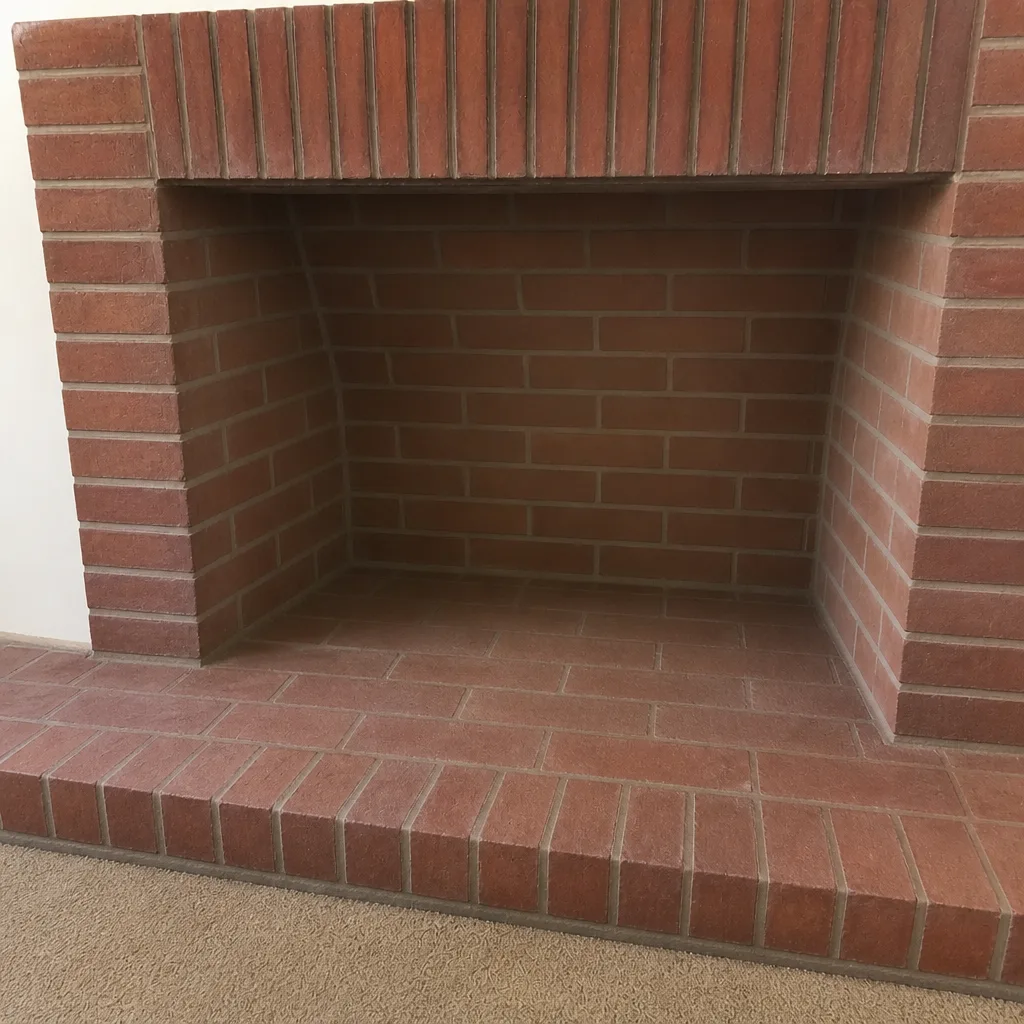
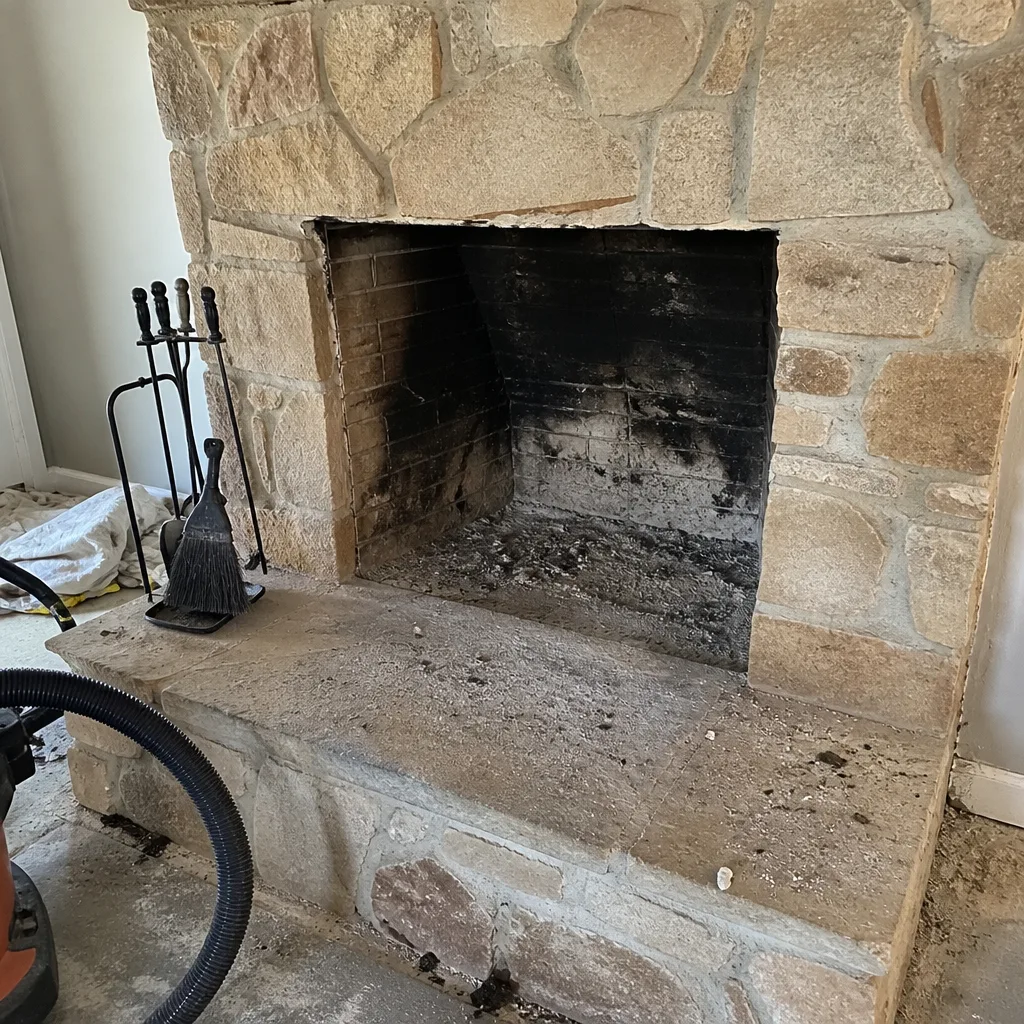
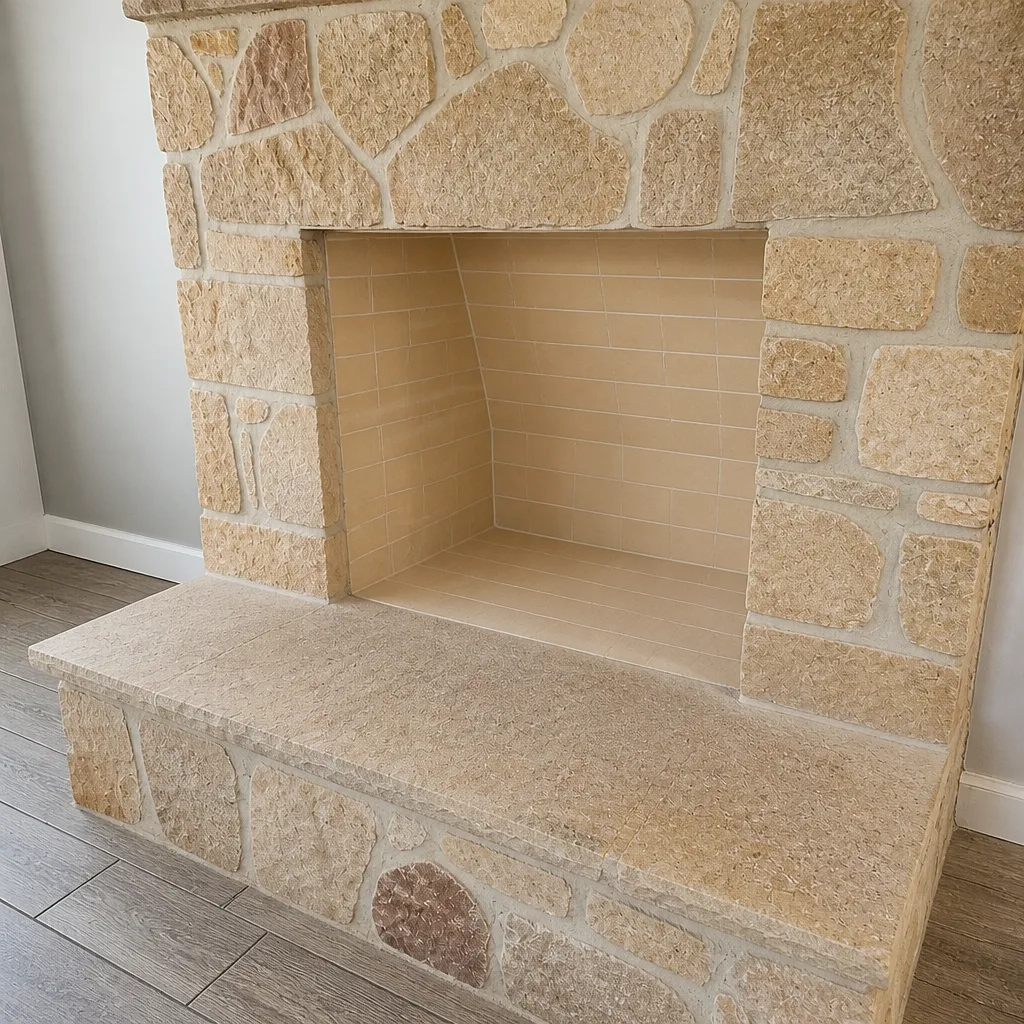
See the difference
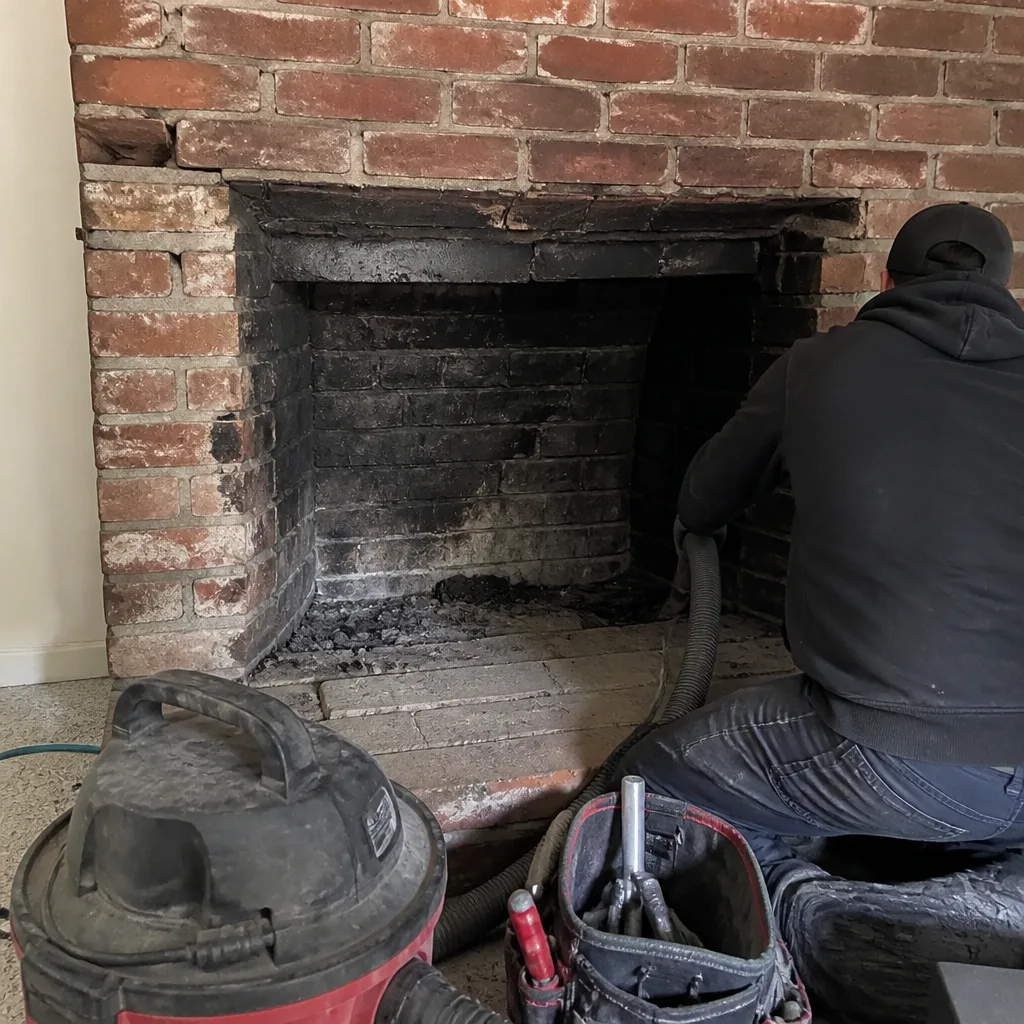 Before
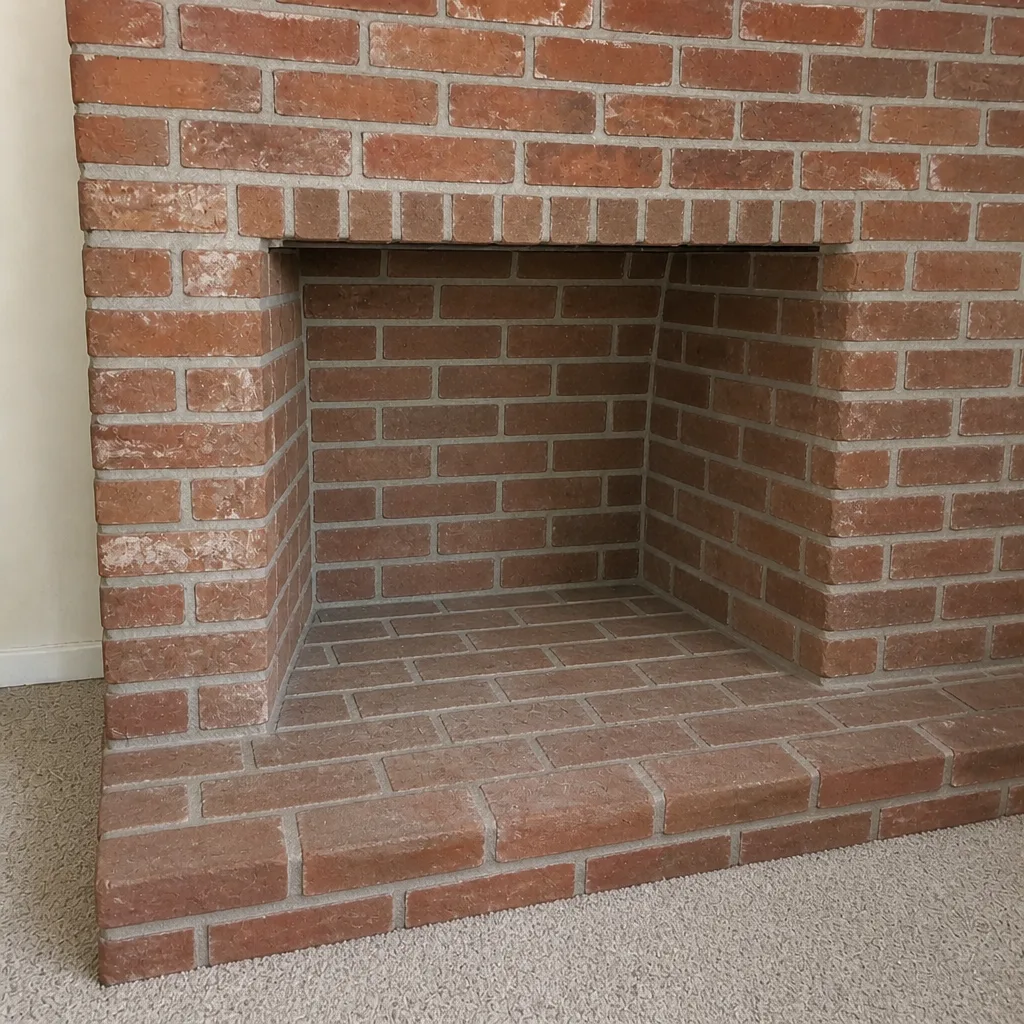 After
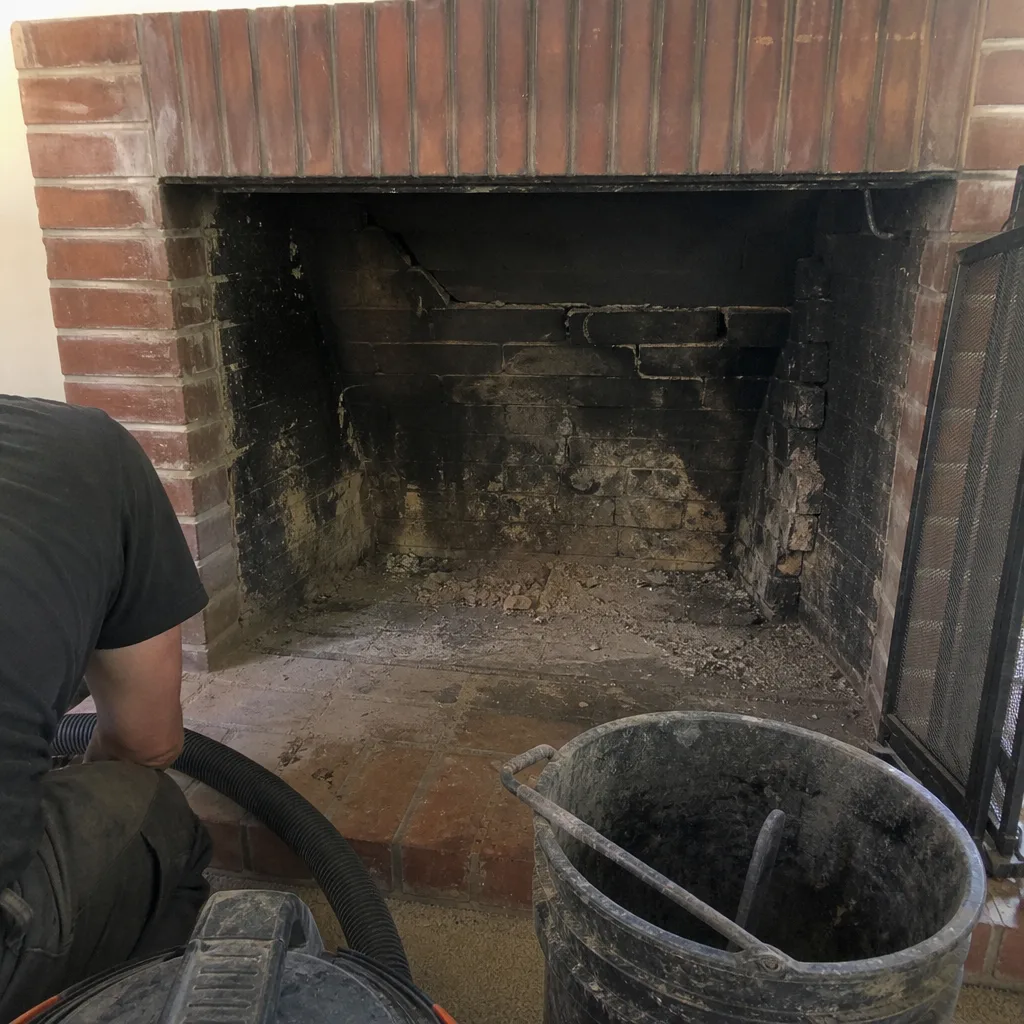 Before
 After
 Before
 After