
Last updated November 24, 2026
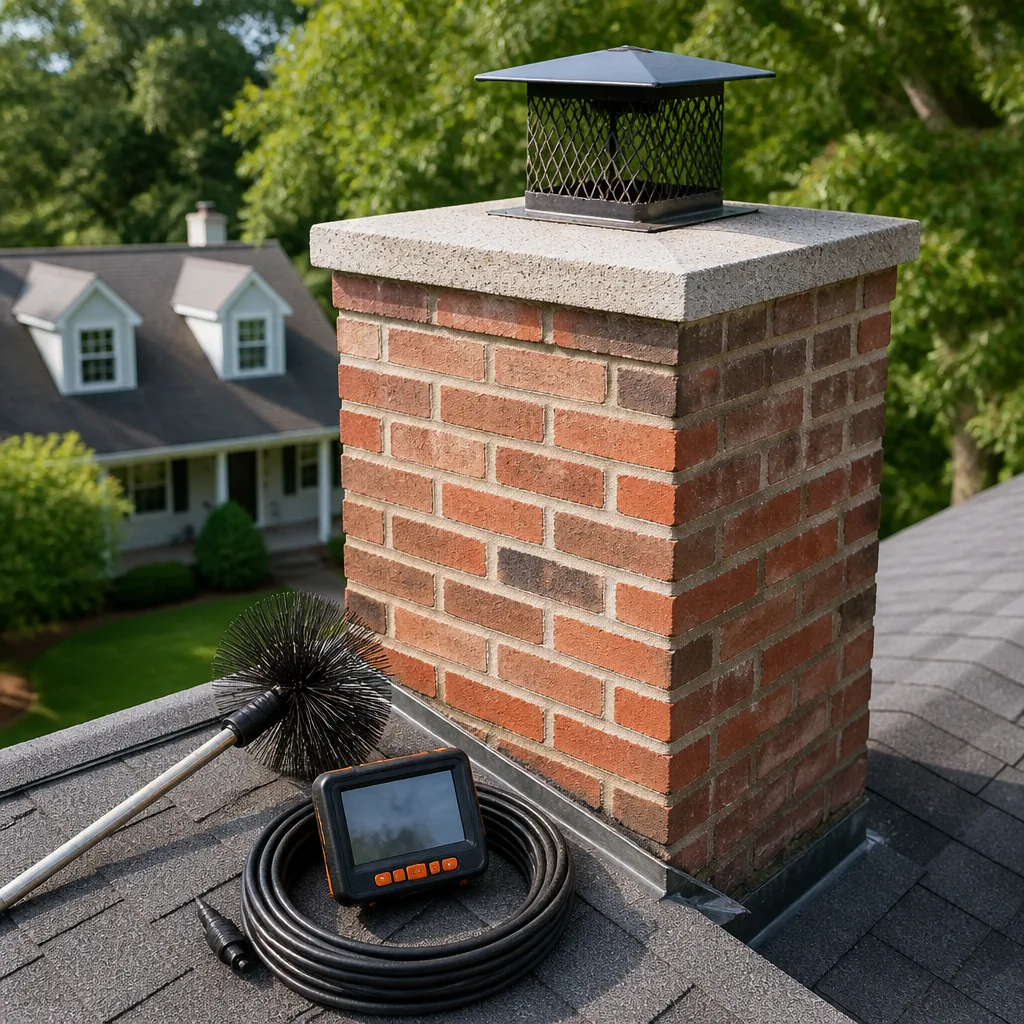 Sweep & inspection
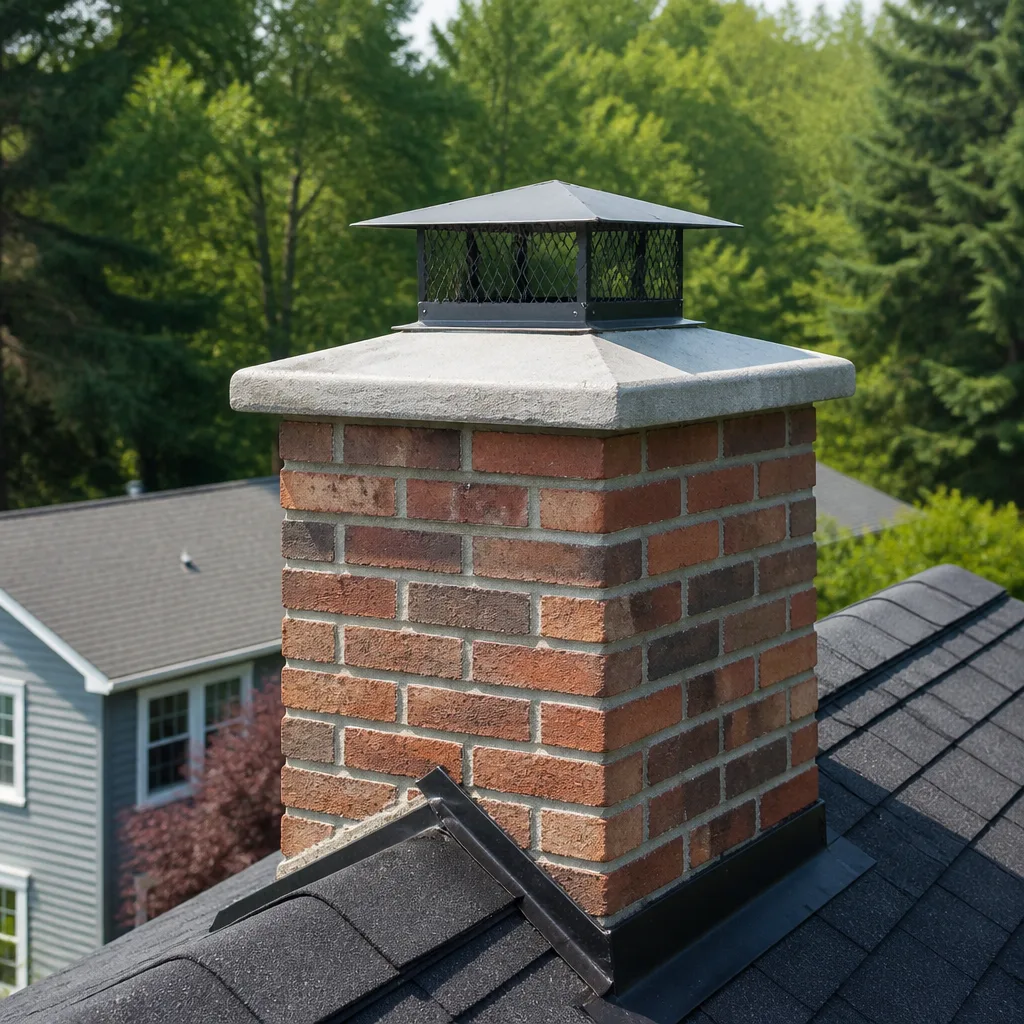 Caps & crowns
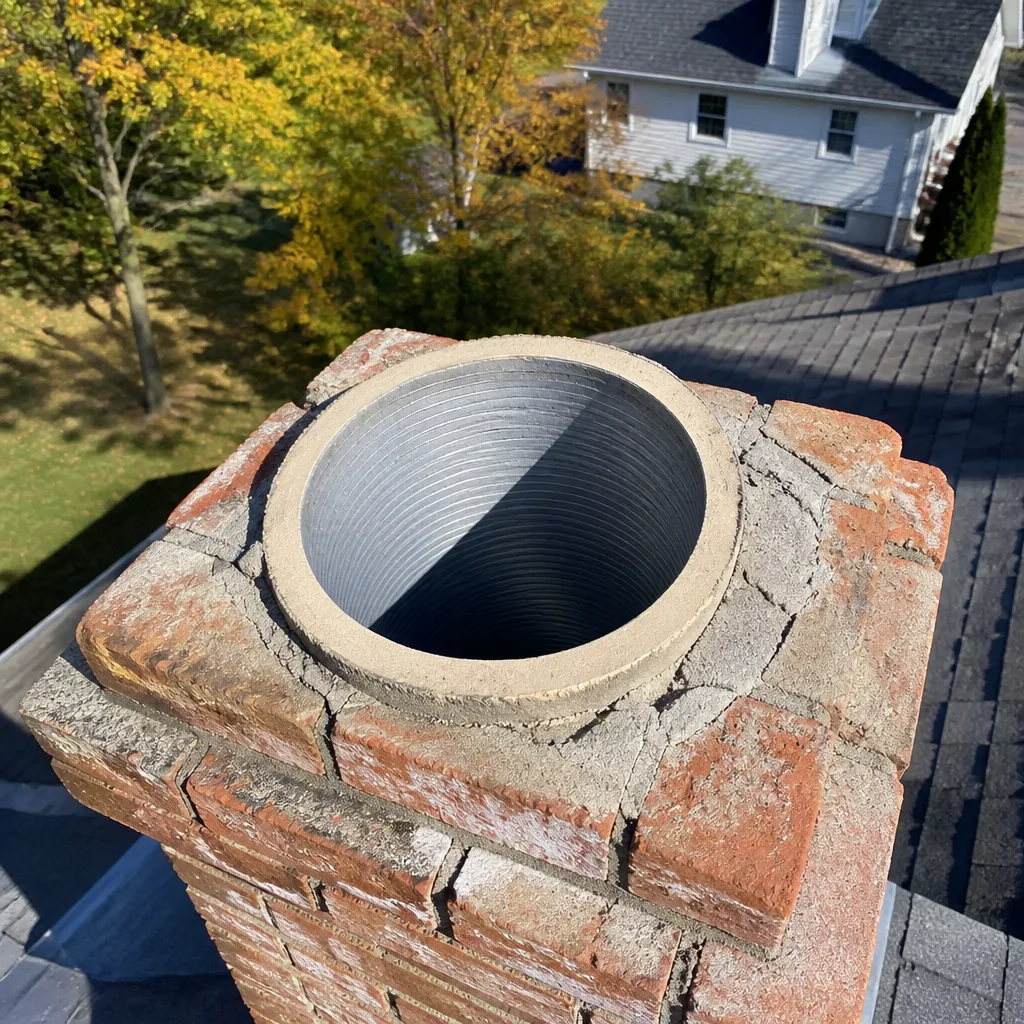 Flue relining
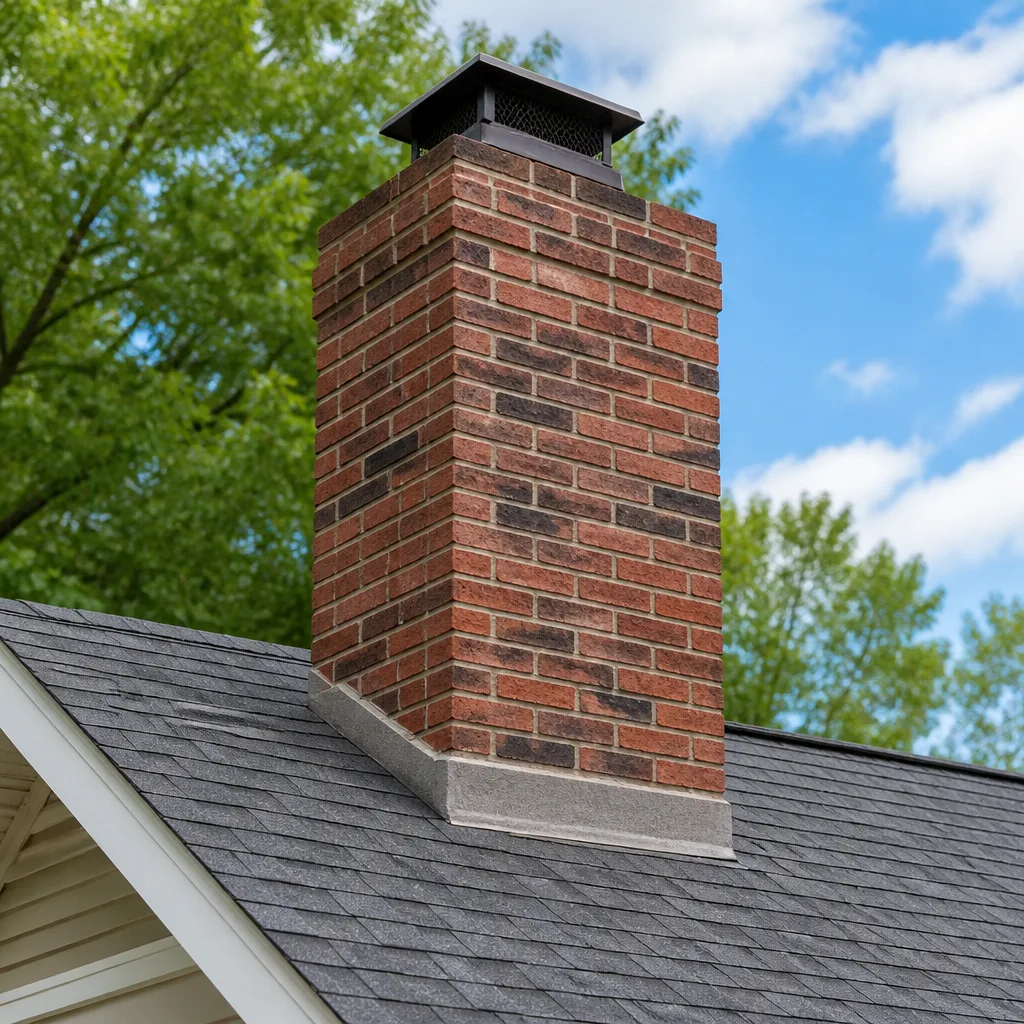 Masonry repair
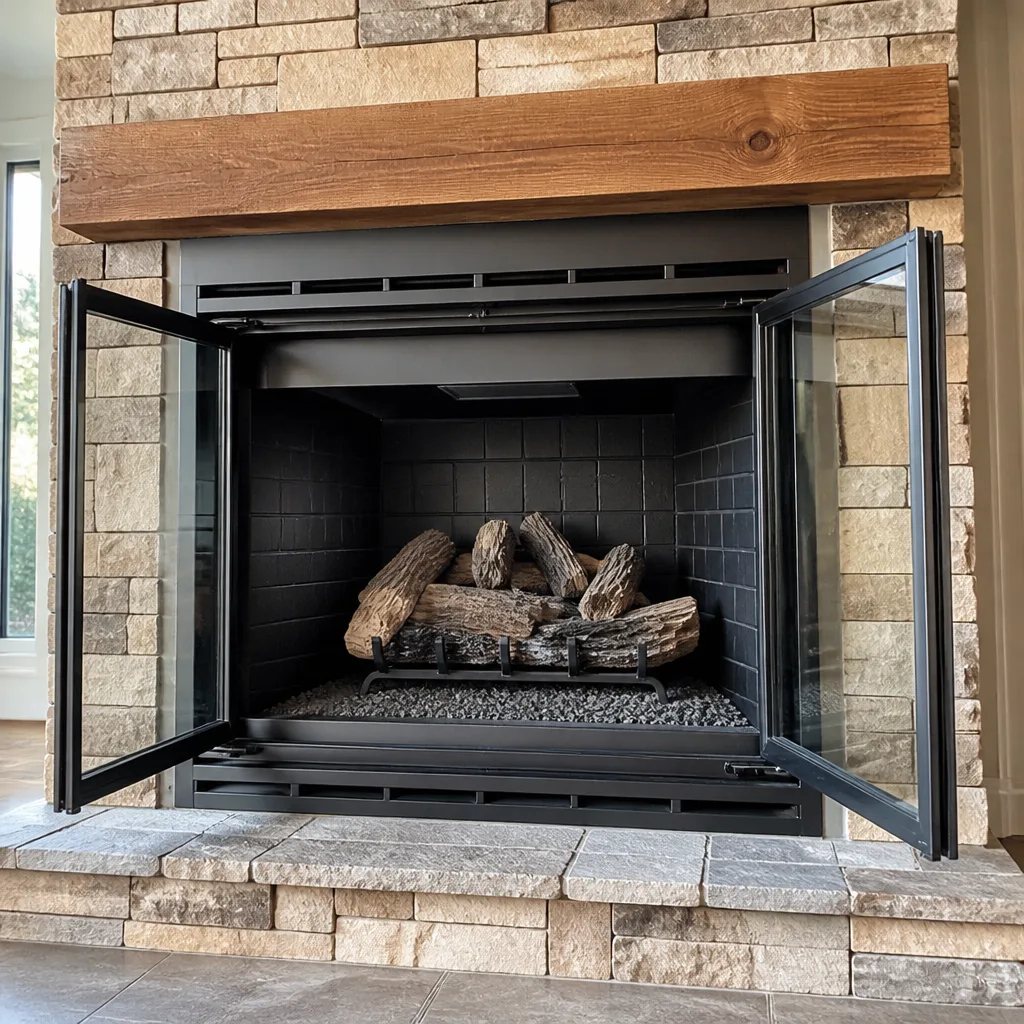 Gas fireplace service
Level 1 sweep and inspection to the NFPA 211 annual standard - flue, crown, cap, and flashing checked and photographed
Chimney sweep logs do not sweep chimneys. They loosen some creosote - which then falls where a brush and vacuum still have to collect it.
DIY vs Professional Chimney Cleaning: The University Park Homeowner’s Decision Guide
Here’s the part the brush kit packaging doesn’t tell you: a homeowner with a rod-and-brush set can absolutely push soot out of a flue. What that homeowner almost never can do is look at the inside of that flue and tell whether it’s safe to burn in again. The DIY versus professional question isn’t really about muscle or reach. It’s about recognizing what you’re looking at. In this guide we’ll lay out precisely what a DIY kit can and cannot accomplish, where the diagnostic gap hides, the one place DIY maintenance genuinely earns its keep, and how to tell a serious professional sweep from a fast one so you can make a clear decision for your University Park home.
Quick Answer
A DIY chimney brush kit removes light soot and Stage 1 creosote from the accessible parts of a flue, but it can’t treat Stage 2 glazed creosote, can’t see inside the liner, and can’t assess the smoke chamber, crown or damper. A professional sweep cleans the full system and, just as important, documents the condition of the liner and chimney structure so you know whether your fireplace is safe to use. In University Park, the honest answer is that DIY is a maintenance supplement, not a replacement for annual professional cleaning and inspection.
Styles & brands we work with
- Sweep & inspection
- Caps & crowns
- Flue relining
- Masonry repair
- Gas fireplace service
Table of Contents
- What a DIY Chimney Brush Kit Actually Does
- The Diagnostic Gap: Why Cleaning Isn’t Inspecting
- Understanding Creosote: Stage 1, 2, and 3
- The One Place DIY Maintenance Adds Real Value
- Liability, Records, and Your Insurance
- Not All Professional Sweeps Are Equal: What to Verify
- How a Professional Chimney Sweep Actually Works
- The Real Cost of Getting It Wrong
What a DIY Chimney Brush Kit Actually Does
A DIY chimney brush kit is built to do one job, and it does that job within narrow limits: it scrapes loose soot and light creosote off the flue surfaces the brush can physically reach. That’s genuinely useful. If your fireplace has been burning all winter, the flue walls accumulate a layer of powdery soot and soft, flaky creosote that reduces draft and dirties the firebox. A brush can knock a good portion of that down. What the kit cannot do is treat the deposits that have bonded to the liner, and it cannot tell you anything about the condition of the system behind the soot.
Here’s a working definition of the limits, so you can judge the job realistically:
- It cleans accessible flue surfaces only. Offsets, bends, and irregular flue shapes mean the brush doesn’t make full contact, and deposits survive in the gaps.
- It removes Stage 1 creosote only. Soft, flaky, brushable creosote comes off. Glazed, tar-like deposits don’t respond to brushing at all.
- It can’t inspect the liner. A brush slides past a hairline crack in a clay tile or a seam in a metal liner without registering it.
- It can’t assess the smoke chamber, crown, or firebox. These are the areas where a lot of real problems start and where a brush never goes.
- It gives you no documentation. When the job is done, you have a cleaner flue and no record of its condition.
In our experience, that last point is the one homeowners underestimate most. A clean chimney and a safe chimney are two different things, and a brush only addresses the first. For University Park homes where fireplaces see regular seasonal use, the difference matters every time you light a fire.
The Diagnostic Gap: Why Cleaning Isn’t Inspecting
This is the heart of the decision. Even a flawless DIY brush job leaves you with zero information about the conditions that actually cause chimney fires and carbon monoxide intrusion. You’ve cleaned a system you still can’t see. The deposits you removed were the visible symptom; the liner, smoke chamber, and damper are where the real story lives.
A trained sweep looks for specific things a homeowner with a brush has no way to evaluate:
- Liner integrity. Cracks in clay tiles or separation in a metal liner let heat and combustion gases escape into the structure. This is a leading cause of chimney fires that start inside the walls.
- Smoke chamber condition. An unlined or deteriorated smoke chamber above the damper is a fire hazard and a common source of poor draft.
- Damper seal. A damper that doesn’t close fully leaks heated air up the flue when the fireplace is idle and can let gases back into the room under certain conditions.
- Crown and cap condition. Cracks in the crown and a missing or damaged cap let water into the chimney, which slowly breaks down the masonry and liner from the inside.
- Creosote stage and distribution. Knowing that glazed creosote has built up in the upper flue changes the recommendation entirely; brushing past it changes nothing.
This is why we describe a chimney sweep as a diagnostic service as much as a cleaning one. When a sweep is done right, you walk away knowing what’s inside your chimney, not just that it’s been brushed. For a full-system look, we offer a standalone inspection as its own service, separate from any cleaning, so the assessment stands on its own rather than riding along as an add-on.
Understanding Creosote: Stage 1, 2, and 3
You can’t make a good DIY-versus-professional decision without understanding creosote, because creosote is the reason chimney cleaning exists. It’s the residue left behind when wood smoke cools on the flue walls, and it forms in three distinct stages that call for very different responses. A brush kit speaks to only the first.
- Stage 1: soft and flaky. This is light, powdery, brushable creosote. A brush removes most of it from accessible surfaces. This is where DIY kits operate.
- Stage 2: hardened and tar-like. These deposits have bonded to the liner and don’t respond to brushing. Removing them takes chemical treatment or specialized mechanical methods, and leaving them in place raises fire risk.
- Stage 3: glazed and glassy. The most dangerous form, this is a dense, hardened layer that can fuel a chimney fire. It requires professional removal, sometimes with chemical agents applied over time, and often a close look at whether the liner has already been compromised.
The uncomfortable reality is that most homeowners can’t tell a Stage 1 flue from a Stage 2 or 3 flue just by looking up from the firebox. The deposits that matter most are the ones you can’t see from below, and they’re the ones a brush won’t touch. When we encounter hardened or glazed creosote in a University Park home, the conversation shifts from cleaning to restoration. Products like HeatShield, a ceramic resurfacing method, let us address a deteriorating flue liner without jumping straight to full replacement in the right circumstances. That’s a decision made after inspection, never before.
The One Place DIY Maintenance Adds Real Value
There’s a genuine role for DIY chimney care, and it happens between professional visits, not instead of them. A few simple habits during burning season keep your fireplace cleaner and give you a fighting chance of catching a problem early. Think of this as homeowner maintenance that supports professional service, not a substitute for it.
What DIY maintenance can reasonably include:
- Monthly firebox visual checks. Shine a light into the firebox and look for cracks in the brick or mortar, gaps around the damper, or unusual staining. Note anything that looks off and mention it at your next service.
- Regular ash removal. A thick ash bed restricts airflow and makes fires burn dirtier, which means more creosote. Scoop ash into a metal container with a lid once the fire is fully out.
- Checking the cap from the ground. Binoculars are enough to spot a missing cap or obvious crown damage, which are the entry points for water.
- Watching your smoke. Dense, dark smoke during a fire usually signals wet wood or poor draft, both of which build creosote faster.
What DIY maintenance should never include is climbing onto the roof, working from a ladder, or getting on top of the chimney to inspect or clean it. Height work on a roof is dangerous, and falls are the risk no brush kit is worth. Our technicians have up to 8 years of experience with the full system for a reason: the parts that matter most are the ones a homeowner shouldn’t be reaching for.
Liability, Records, and Your Insurance
This is the part of the DIY-versus-professional discussion that rarely gets said out loud, but it’s practical and it’s real. If a chimney fire happens after a documented professional inspection and cleaning, you have a record showing the system’s condition and the work performed. If it happens after a DIY brush job, that documentation simply doesn’t exist. When you file a claim, the paper trail matters.
A professional service gives you a written record of what was found and what was done. That record does three things for you:
- Establishes a baseline. It documents the condition of the liner, smoke chamber, and crown at a point in time.
- Shows you acted responsibly. Annual servicing is the kind of maintenance an insurer expects a homeowner to keep up with. A record proves it.
- Flags problems before they become claims. A documented cracked liner or damaged crown lets you fix the issue on your timeline rather than reacting after a loss.
We can work with your insurer if a documented condition needs to be addressed, but the real value is the record itself. On top of the safety side, a clean paper trail turns a vague worry into something concrete you can point to. That’s a quiet but meaningful reason professionals remain the default for anyone who takes their fireplace seriously in University Park.
Not All Professional Sweeps Are Equal: What to Verify
It would be dishonest to pretend every professional sweep is equal. A camera-inspection-included sweep is categorically different from a no-camera sweep, and the gap between them tells you whether you’re getting a genuine assessment or a fast brushing. Before you book anyone, ask a few direct questions. The answers will sort the serious operators from the rest.
- Does the service include a camera inspection? A camera lets the technician see the full length of the flue, including offsets and the top of the liner. Without one, the “inspection” is a guess from below.
- Do I get a written report? Ask what you’ll receive, and expect to be shown what was found, not just told.
- What brands and methods do you actually work with? A company that names real product lines like HeatShield, Gelco, Olympia Chimney, or Famco is telling you it handles restoration and repair, not just cleaning.
- Will you recommend repairs only after the inspection? The right answer is that recommendations follow what the inspection finds, never a menu printed before anyone looks.
- Are you clear about what can safely wait? A good sweep tells you when something doesn’t need doing yet. That’s the mark of an honest assessment.
We built our service around full-system coverage for exactly this reason. One company handling sweeping, inspection, fireplace repair, and cap and crown work means no one hands you off to a second contractor mid-project. If something turns up, we can address it rather than just describe it.
How a Professional Chimney Sweep Actually Works
A professional sweep is a sequence, and understanding it helps you see what you’re paying for and why it’s different from a brush kit. In University Park, a typical service moves through the following steps. You’ll notice the inspection runs throughout, not as an afterthought at the end.
- Setup and protection. Drop cloths go down around the firebox and a high-powered vacuum runs throughout to contain dust. The house stays clean.
- Firebox and damper check. The technician looks at the firebox, damper, and smoke chamber first, photographing anything notable.
- Flue cleaning. Rods and brushes sized to the flue clean the full length, with the brush worked through any offsets. This is the step a DIY kit mimics, but with the right equipment and full coverage.
- Camera inspection. A camera travels the flue to check the liner for cracks, gaps, and creosote buildup the brush couldn’t remove. This is where most real findings turn up.
- Exterior check. The crown, cap, and flashing are inspected for cracks or damage that let water in.
- Report and recommendations. You get a clear account of what was found, what needs attention now, and what can safely wait.
That last step is where the difference shows. A clean chimney without a report leaves you guessing. A proper sweep leaves you informed, with a record you can hold onto. When a chimney needs work beyond cleaning, we handle the full range, from chimney repair to liner resurfacing and chimney cap & crown replacement, all under one roof.
The Real Cost of Getting It Wrong
The cost of professional cleaning is straightforward and paid up front. The cost of a DIY job that misses something isn’t. We’re not going to put a dollar figure on a chimney fire; that’s not a scare tactic we’ll use. But it’s worth being clear about the kinds of costs and risks that hide behind the diagnostic gap, so you can decide knowingly.
The reasons professionals remain the default for University Park homeowners come down to a few concrete risks:
- Fire risk from unrecognized creosote. Stage 2 and 3 deposits left in the flue can fuel a chimney fire. A brush never touches them, and you’d never know they were there.
- Carbon monoxide intrusion. A cracked liner or failed seal lets combustion gases escape into the living space. This is a health risk, and it’s invisible without inspection.
- Water damage from above. A damaged cap or crown lets water into the masonry, and the resulting deterioration is one of the most common structural problems we see. A chimney cap & crown inspection catches it early.
- Compounding damage. Small liner cracks get worse with every fire, and a problem that was cheap to address early becomes a bigger repair later. Catching it at the inspection stage usually saves money over the long run.
The honest framing: DIY puts a clean chimney in front of you. Professional service puts an informed decision in front of you. For most homeowners, the second is worth the difference.
Common Mistakes to Avoid
- Assuming a brush kit equals a cleaning. A kit removes light soot and Stage 1 creosote, but glazed creosote and liner problems survive it untouched. If the deposits are hardened, the brush isn’t doing the job.
- Skipping inspection because the flue looks clean. A clean flue tells you nothing about the liner’s condition. The most dangerous problems are the ones you can’t see from the firebox.
- Going onto the roof without the right equipment or training. Height work is genuinely dangerous, and every season we hear about homeowners who try it. Leave the roof and any ladder work to a professional.
- Ignoring a missing or damaged cap. In University Park, a missing cap is one of the fastest ways to invite water damage and wildlife into the chimney. Check it from the ground and fix it early with chimney repair if needed.
- Booking a sweep that skips the camera. A no-camera sweep gives you a clean flue and no information. Ask before you book.
- Putting off a repair that was flagged. A flagged liner crack or crown issue doesn’t get better with waiting. If a professional pointed it out and it’s genuinely urgent, act on it.
- Burning wet or unseasoned wood. Wet wood burns dirty, builds creosote fast, and makes every DIY and professional cleaning harder. Season your firewood before burning.
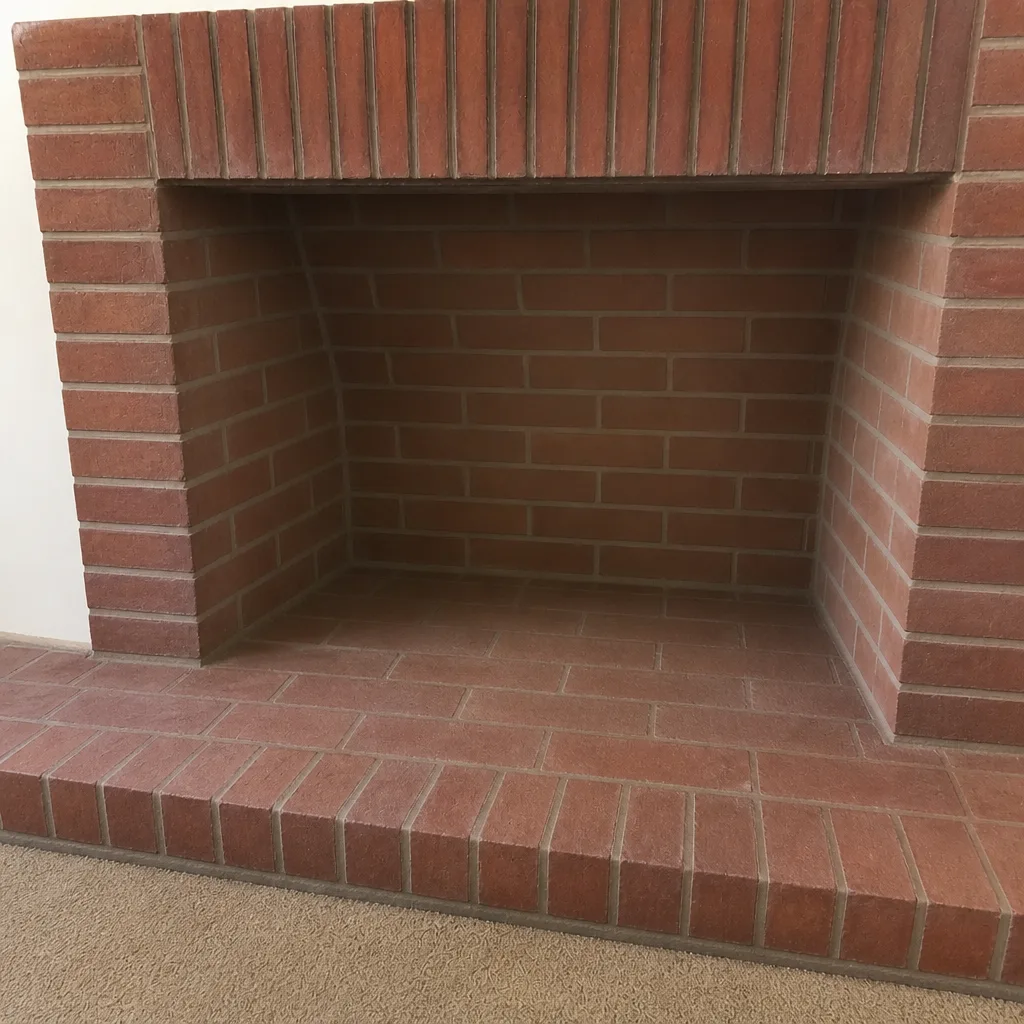
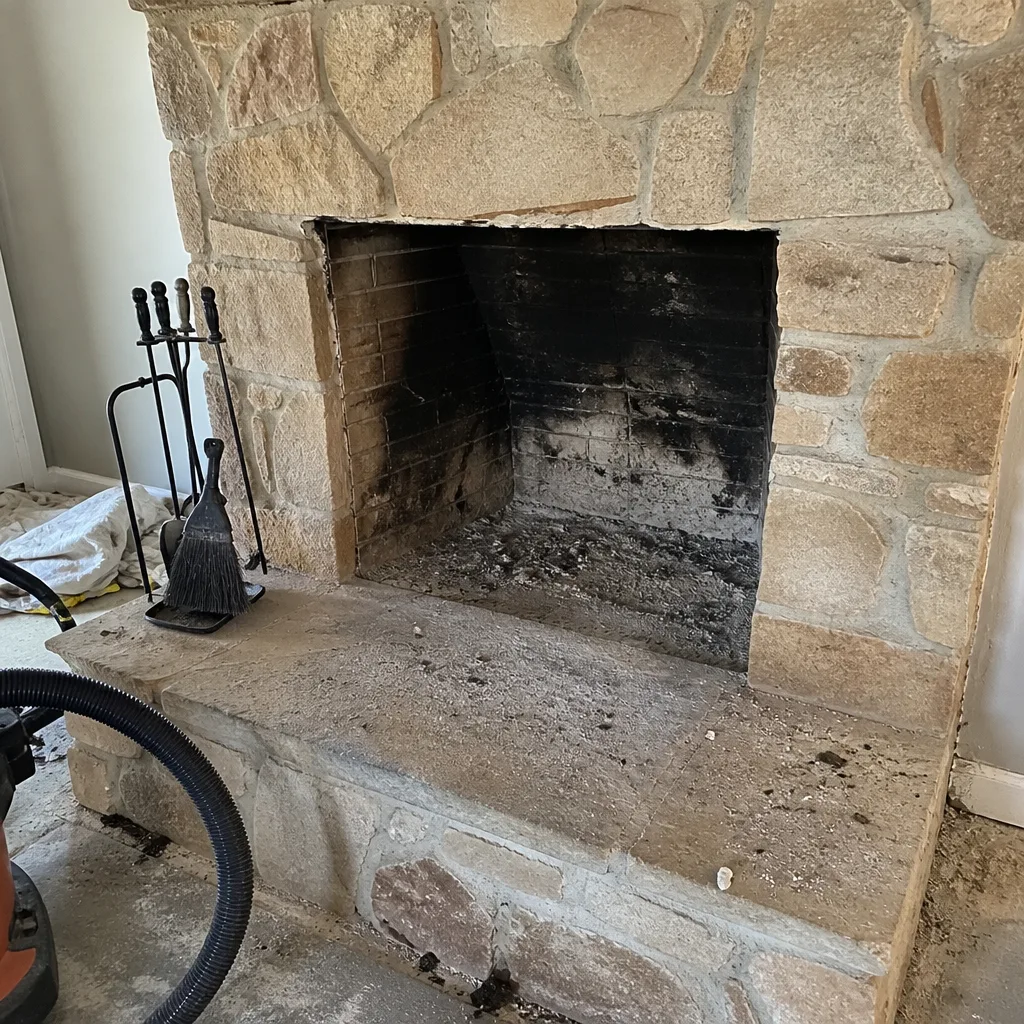
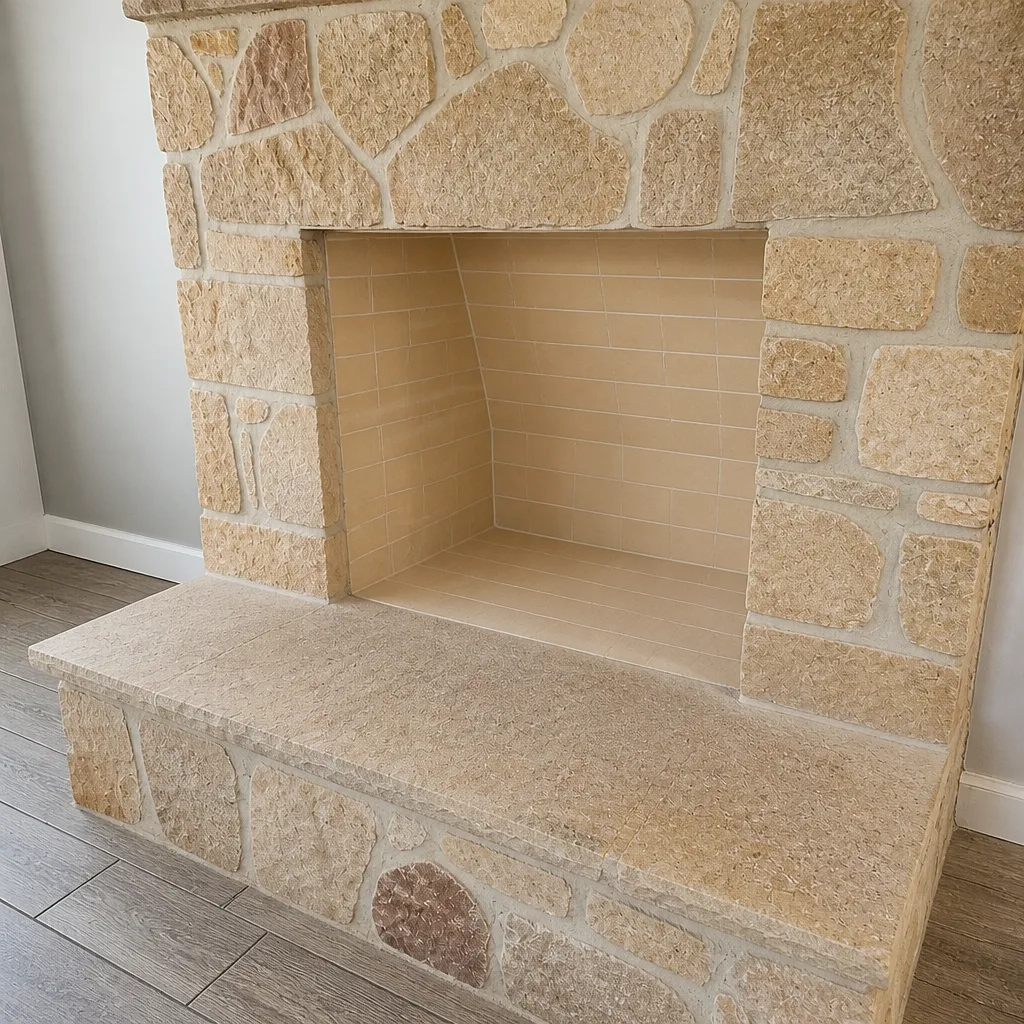
See the difference
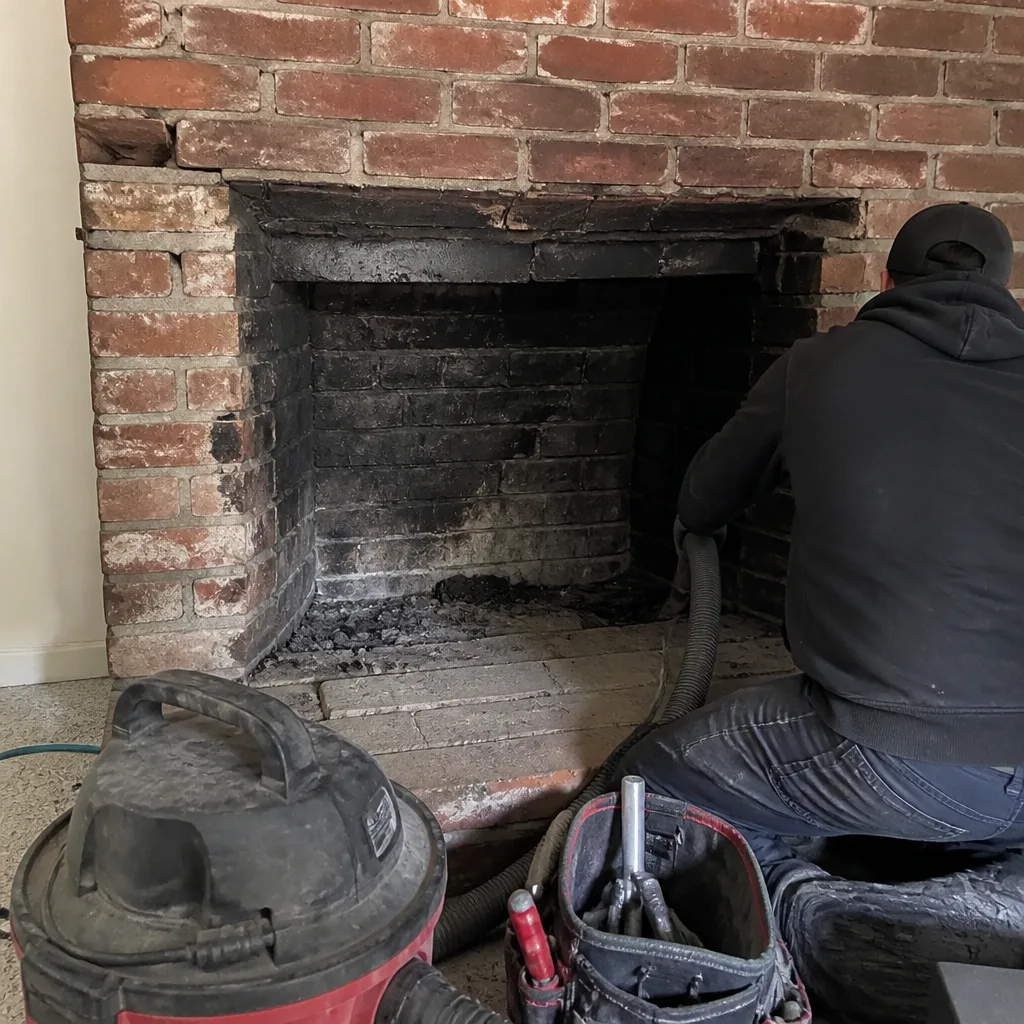 Before
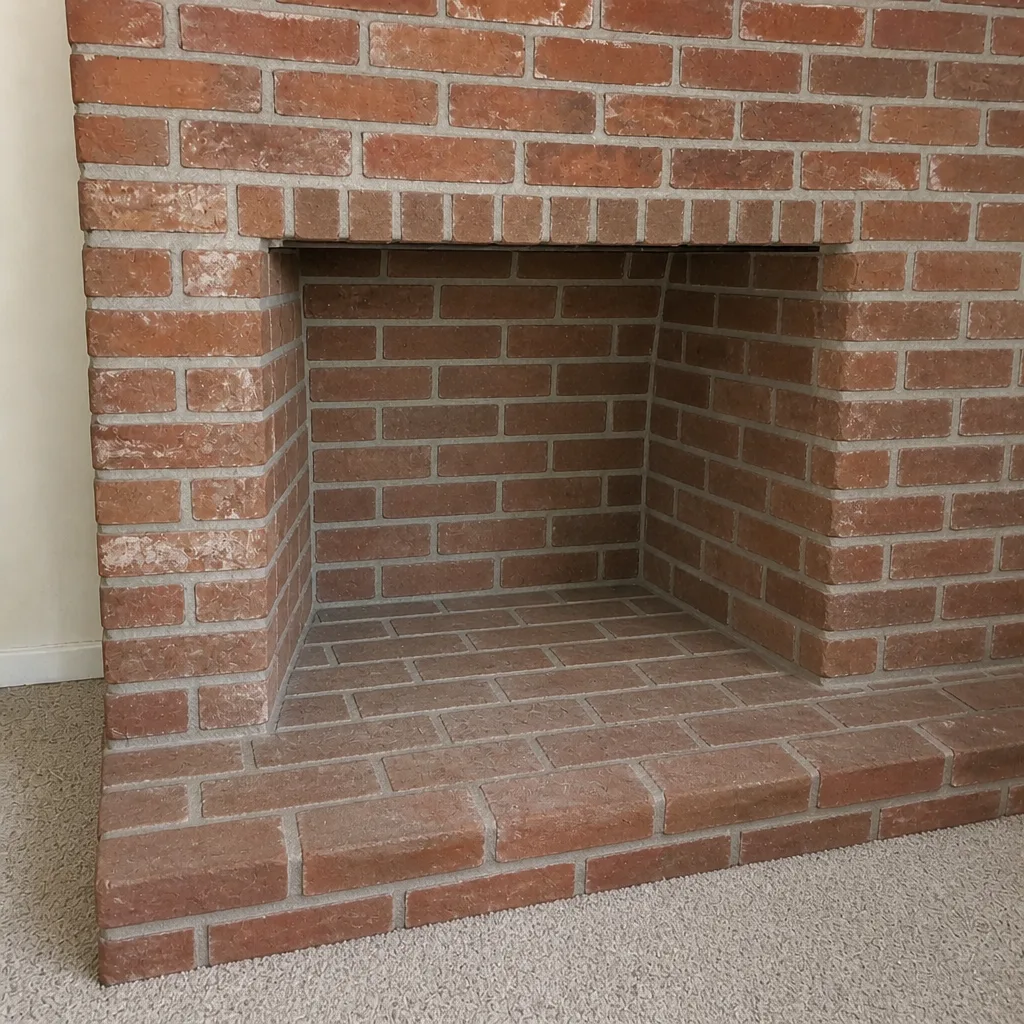 After
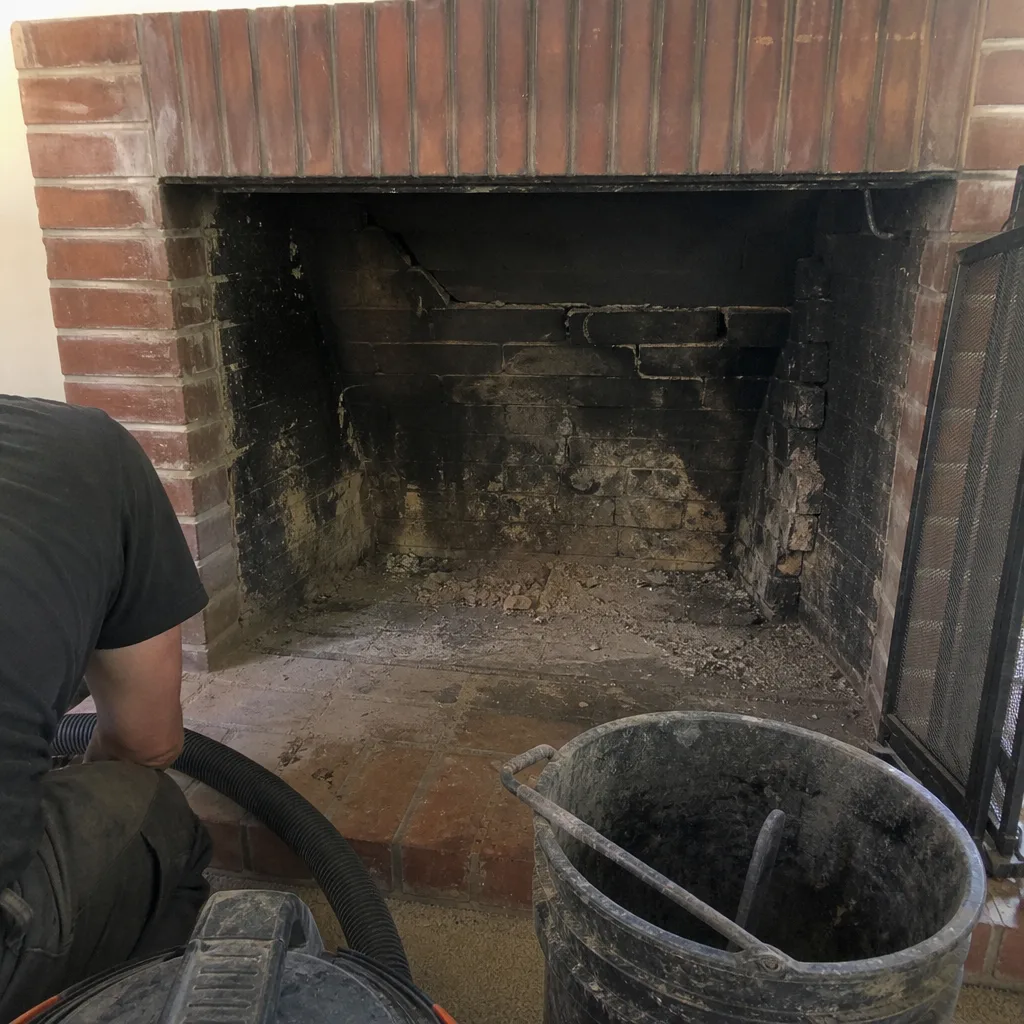 Before
 After
 Before
 After
When to Call a Professional
Call a professional when the condition of your chimney is unknown, when you’ve been burning regularly for a season and haven’t had it inspected, when you spot anything suspicious from the firebox, or when a cap or crown needs attention. Call when you want documentation for insurance, when there’s a smell of smoke in the house with no fire burning, or when your flue has never been inspected and you don’t know its history.
Chimney Sweep University Park offers free estimates in University Park. Call (877) 792-6047. We answer 24/7. Fast dispatch from 7am to 7pm, Sunday through Friday. One company, every part of the chimney.
Frequently Asked Questions
You can brush light soot and Stage 1 creosote out of your own flue with a rod-and-brush kit, but you can’t properly inspect the liner, smoke chamber, or crown, and you can’t chemically treat hardened creosote. That means a DIY brush job clean leaves you without the information you actually need. Call (877) 792-6047 for a professional assessment if you want the condition of your chimney documented.
A DIY kit removes surface deposits from the parts of the flue a brush can reach, while a professional sweep cleans the full system and includes a camera inspection and written report. The cleaning is only one part of the professional service. The information you get from the inspection is the part a kit can’t provide. Call (877) 792-6047 to book a sweep with inspection.
Most chimneys with regular wood-burning use should be cleaned and inspected once a year, with more frequent cleaning if you burn often or notice heavy creosote. The right interval depends on your flue’s condition, which an inspection determines. Call (877) 792-6047 to find out what your chimney actually needs.
If creosote builds up unchecked and liner problems go unnoticed, the risk of a chimney fire and carbon monoxide intrusion rises, and water damage from a compromised cap or crown can worsen over time. Skipping cleaning doesn’t create a hazard overnight, but it lets small problems grow. Call (877) 792-6047 for an inspection before the next burning season.
Not every liner needs replacement. In the right circumstances, HeatShield ceramic resurfacing can restore a deteriorating flue without full liner replacement, and we assess which path fits only after a camera inspection. If you’re being told you need a new liner without seeing the evidence, ask to see it. Call (877) 792-6047 for a proper inspection first.
A camera inspection lets the technician see the full length of the flue, including any offsets and the top of the liner, which is where cracks and stubborn creosote hide. Without a camera, a sweep works partly blind. Before you book anyone in University Park, ask whether the camera is included. Call (877) 792-6047 for a sweep that includes one.
The Bottom Line
The DIY versus professional question comes down to what you actually need. A brush kit removes light soot and Stage 1 creosote, which is worth something, and monthly firebox checks plus regular ash removal are smart habits between visits. But a kit can’t see inside your flue, can’t treat hardened creosote, and can’t tell you whether your liner is cracked. That diagnostic gap is where chimney fires and carbon monoxide risks hide. A professional sweep closes it, gives you documentation, and tells you honestly what can wait. For most University Park homeowners, the answer is clear: DIY for maintenance, professional for the safety call.
Ready to know what’s inside your chimney? Call Chimney Sweep University Park at (877) 792-6047 for a free estimate. We answer 24/7. Fast dispatch from 7am to 7pm, Sunday through Friday. Our team handles sweeping, inspection, fireplace and chimney repair, and cap and crown work with professional-grade materials from DuraFlex, HeatShield, Gelco, Olympia Chimney, Famco, and Copperfield, so you never get bounced to a second contractor. One company, every part of the chimney. Visit our Chimney Sweep University Park page to get started.
Written by the team at Chimney Sweep University Park.